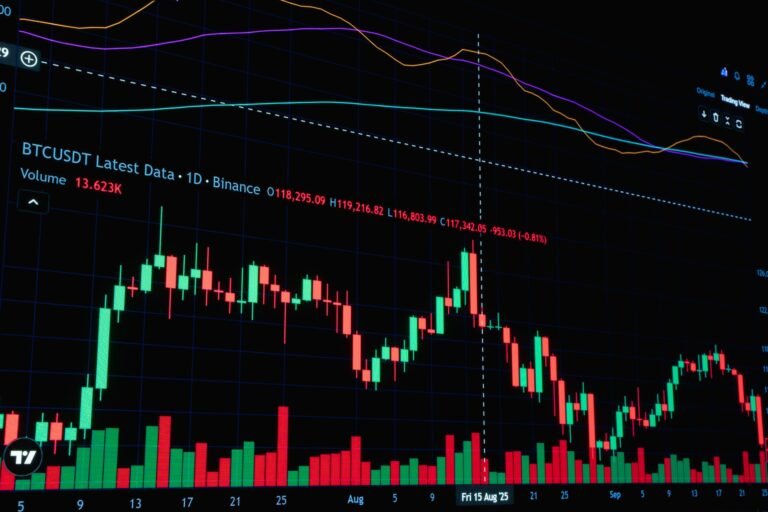
Bitcoin stands at a critical juncture, hovering near the $60,000 threshold, as market sentiment and macroeconomic factors collide. Arthur Hayes, the co-founder of BitMEX, has mapped out two distinct paths for the world’s leading cryptocurrency: a potential breakdown below $60,000 or a bullish surge to $126,000, fueled by continued monetary stimulus.
The $60,000 Threshold: A Make-or-Break Moment
The $60,000 level is more than just a psychological barrier; it represents a key technical support level that could determine Bitcoin’s next major move. Hayes believes that if Bitcoin can hold above this level, it could signal the completion of a corrective phase, setting the stage for a renewed upward trend. However, if the price slips below $60,000, it could trigger a deeper correction, potentially exacerbated by a tightening of liquidity and a broader market downturn.
Macro Factors at Play
The fate of Bitcoin is increasingly intertwined with broader macroeconomic trends. The Federal Reserve’s monetary policy, equity market performance, and global economic conditions are all key factors that could influence the cryptocurrency’s trajectory. Hayes argues that if the Fed continues to inject liquidity into the market, it could drive Bitcoin to new all-time highs. Conversely, if the Fed tightens its stance, it could lead to a liquidity crunch, pushing Bitcoin lower.
Bullish Case: Fed-Fueled Surge to $126,000
In the bullish scenario, Hayes envisions a scenario where the Fed maintains its accommodative stance, leading to increased risk appetite among investors. This could drive institutional adoption and retail participation, pushing Bitcoin to unprecedented levels. The $126,000 target is based on a combination of technical analysis and the expectation of continued monetary expansion. Hayes notes that this outcome would be particularly favorable if the broader market remains stable or continues to trend upwards.
Bearish Case: Sub-$60K Breakdown
On the flip side, a breakdown below $60,000 could signal a more significant correction. Hayes warns that if equities falter and liquidity tightens, it could trigger a cascade of selling in the cryptocurrency market. This scenario is particularly concerning given the interconnectedness of the financial markets, where a downturn in one asset class can quickly spread to others. A sub-$60,000 breakdown could lead to further selling pressure, potentially pushing Bitcoin to much lower levels.
Expert Analysis
Market analysts are closely watching the $60,000 level as a critical inflection point. Some experts, like Cathie Wood of ARK Invest, remain bullish on Bitcoin’s long-term prospects, citing its potential as a hedge against inflation and its growing acceptance as a store of value. Others, like Michael Saylor, CEO of MicroStrategy, see Bitcoin as a strategic asset for corporate treasuries, further underpinning its value.
However, skeptics point to the risks of overreliance on central bank policies and the potential for regulatory headwinds. The SEC’s ongoing scrutiny of cryptocurrency exchanges and the potential for more stringent regulations could dampen investor sentiment. Additionally, the recent volatility in the broader market, driven by concerns over inflation and economic recovery, adds to the uncertainty surrounding Bitcoin’s future.
Looking Forward
As Bitcoin approaches this pivotal moment, investors and analysts alike are holding their breath. The next few weeks could be crucial in determining whether Bitcoin will break through to new highs or face a more challenging correction. Regardless of the outcome, the cryptocurrency’s resilience and growing institutional interest suggest that it will remain a significant player in the financial landscape for years to come.
About the Author