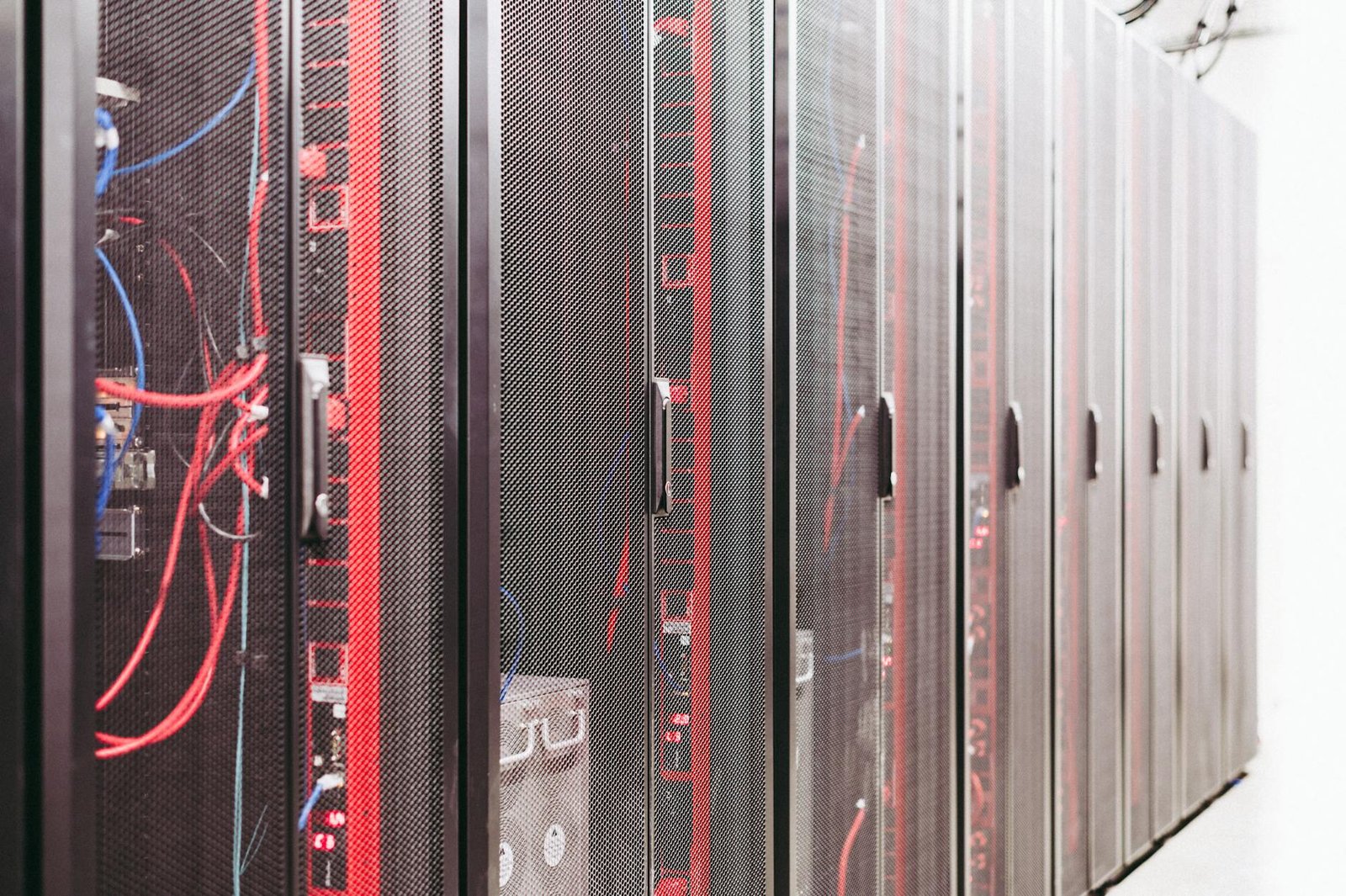
As the Bitcoin mining industry faces tightening margins and a challenging market, public miners are making a bold move into the world of artificial intelligence (AI) and high-performance computing (HPC). According to data compiled by TheEnergyMag, these miners are planning to add approximately 30 gigawatts of new power capacity, a significant leap from the 11 GW currently online, to power their AI ambitions.
This strategic pivot underscores the industry’s efforts to diversify revenue streams and position themselves for the next phase of growth. The planned expansion is described by TheEnergyMag as “a small country’s worth of power infrastructure,” though much of this capacity is still in development or early planning stages.
The Megawatt Arms Race of the AI Boom
The shift from traditional hashpower to AI and HPC is not just a strategic move; it’s a necessity. With the 2024 Bitcoin halving reducing block rewards and squeezing margins, miners are under pressure to find new sources of revenue. The competition is now focused on securing power, financing, and delivering data centers on time.
“This is the megawatt arms race of the AI boom,” said an analyst at TheEnergyMag. “The key to success will be whether AI demand remains strong enough to justify the scale of investment.”
Early Revenue Gains and Investor Interest
The transition to AI and HPC is already paying off for some miners. HIVE Digital, for example, reported record quarterly revenue of $93.1 million, up 219% year over year, driven in part by its AI and HPC business lines. This performance, despite a decline in Bitcoin prices, highlights the potential of diversification.
Investors are also taking notice. Starboard Value recently suggested that Riot Platforms accelerate its expansion into HPC and AI data centers, signaling a growing interest in this new frontier for Bitcoin miners.
Challenges and Resilience
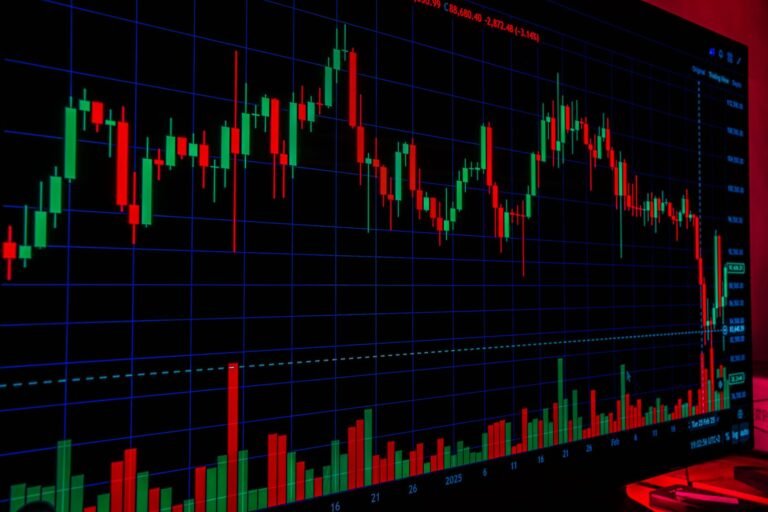
Despite the optimistic outlook, the path forward is not without challenges. Since the Bitcoin halving, mining profits have been hit hard, and the cryptocurrency market has experienced significant volatility. Bitcoin prices tumbled from a record high above $126,000 in the fourth quarter to below $60,000 in February, before stabilizing.
However, US-based miners have shown resilience. At the start of the year, output rebounded after a severe winter storm temporarily disrupted operations. This resilience, combined with the strategic shift towards AI, positions the industry to weather the current market turbulence.
Looking Ahead: The Future of Bitcoin Mining and AI
The move into AI and HPC represents a significant evolution in the Bitcoin mining industry. As the market continues to mature and competition intensifies, miners who can successfully navigate this transition will be well-positioned for long-term success. The next few years will be crucial in determining whether this massive investment in power capacity pays off, but the early signs are promising.
“The real supercycle isn’t crypto; it’s AI infrastructure,” said a leading analyst. “Bitcoin miners are recognizing this and are positioning themselves to capitalize on the growing demand for AI and HPC services.”
About the Author