Almost 80% of Japan’s institutional investors plan to buy crypto within 3 years, survey finds
A survey by Nomura reveals that roughly 80% of Japan's investment professionals plan to allocate up to 5% of their portfolios to digital assets by 2029.
Almost 80% of Japan’s institutional investors plan to buy crypto within 3 years, survey finds
A survey by Nomura reveals that roughly 80% of Japan’s investment professionals plan to allocate up to 5% of their portfolios to digital assets by 2029.
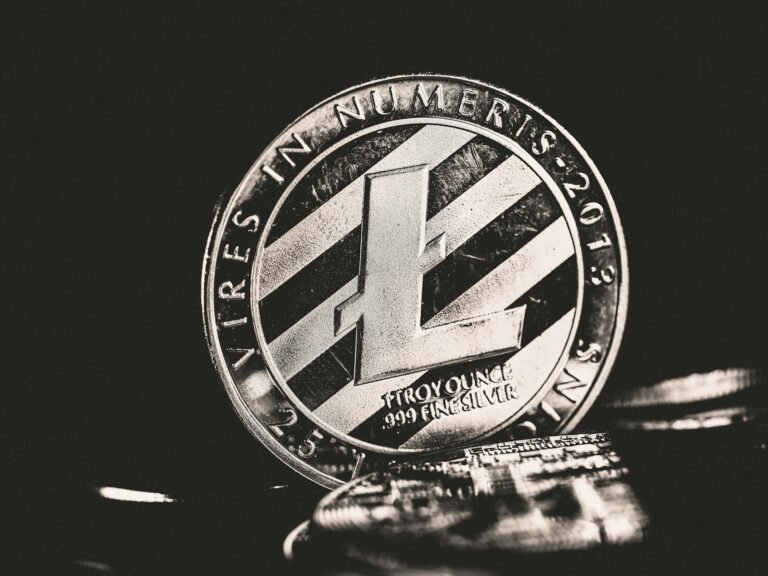
Japan’s institutions are warming to crypto investment. (Roméo A./Unsplash)
What to know:
Nearly 80% of surveyed institutional investors in Japan plan to allocate resources to crypto within three years, mostly targeting 2%-5% portfolio weights.
Improving sentiment and Japan’s relatively clear regulatory framework are encouraging institutions to treat digital assets as diversification tools rather than purely speculative bets.
Interest is broadening beyond price exposure to include staking, lending, derivatives, tokenized assets and stablecoin use cases, even as concerns about valuation, counterparty risk, regulation and volatility persist.
It also reflects improving sentiment: 31% percent of respondents described their outlook on crypto as positive, compared with 25% in 2024, while negative sentiment declined to 18%.
The findings come as Japan refines one of the more established regulatory frameworks for digital assets among major economies. The country was an early mover in regulating crypto exchanges following the Mt. Gox collapse in 2014. Recent efforts have focused on integrating digital assets into existing financial laws, including updates tied to the Financial Instruments and Exchange Act.
That clarity has helped foster a domestic crypto ecosystem anchored by major companies such as SBI Holdings, the financial conglomerate that operates one of Japan’s largest crypto businesses, and bitFlyer, a long-standing exchange. Traditional financial institutions have also entered the industry.
Nomura, one of the world’s largest financial services companies, founded Laser Digital in 2022 to expand into trading, asset management and venture investing, while firms like Mitsubishi UFJ Financial Group have explored tokenized deposits and stablecoins.
Interest is expanding beyond simple price exposure. More than 60% of respondents expressed interest in income-generating strategies such as staking and lending, as well as derivatives and tokenized assets. That suggests investors are beginning to treat crypto less as a speculative trade and more as a broader financial toolkit.
Stablecoins are another area of focus. Sixty-three percent of respondents identified potential use cases, including treasury management, cross-border payments and foreign exchange transactions. Trust appears to be highest for stablecoins issued by major financial institutions, highlighting the importance of familiar counterparties.
Still, barriers remain. Investors pointed to challenges including the lack of established valuation frameworks, counterparty risks such as fraud or asset loss, and regulatory uncertainty. High volatility also continues to weigh on adoption.
Even so, those concerns are shifting. Rather than debating whether to invest, institutions are now focused on how to do it.
The survey was conducted in December and January and gathered responses from 518 investment professionals, including institutional investors, family offices and public-interest organizations.
AI Disclaimer: Parts of this article were generated with the assistance from AI tools and reviewed by our editorial team to ensure accuracy and adherence to our standards. For more information, see CoinDesk’s full AI Policy.
Bitcoin advanced while altcoins continued to struggle after the weekend’s DeFi exploit, with markets eyeing Middle East tensions and shifting risk sentiment.
What to know:
Bitcoin rose to $76,500 and faced resistance near $77,000 as traders defended a breakout above $78,300.
Ether and altcoins lagged after the $290 million KelpDAO exploit, with DeFi tokens under pressure and sentiment still fragile.
Markets are tracking developments in the war with Iran, with easing tensions potentially boosting risk…