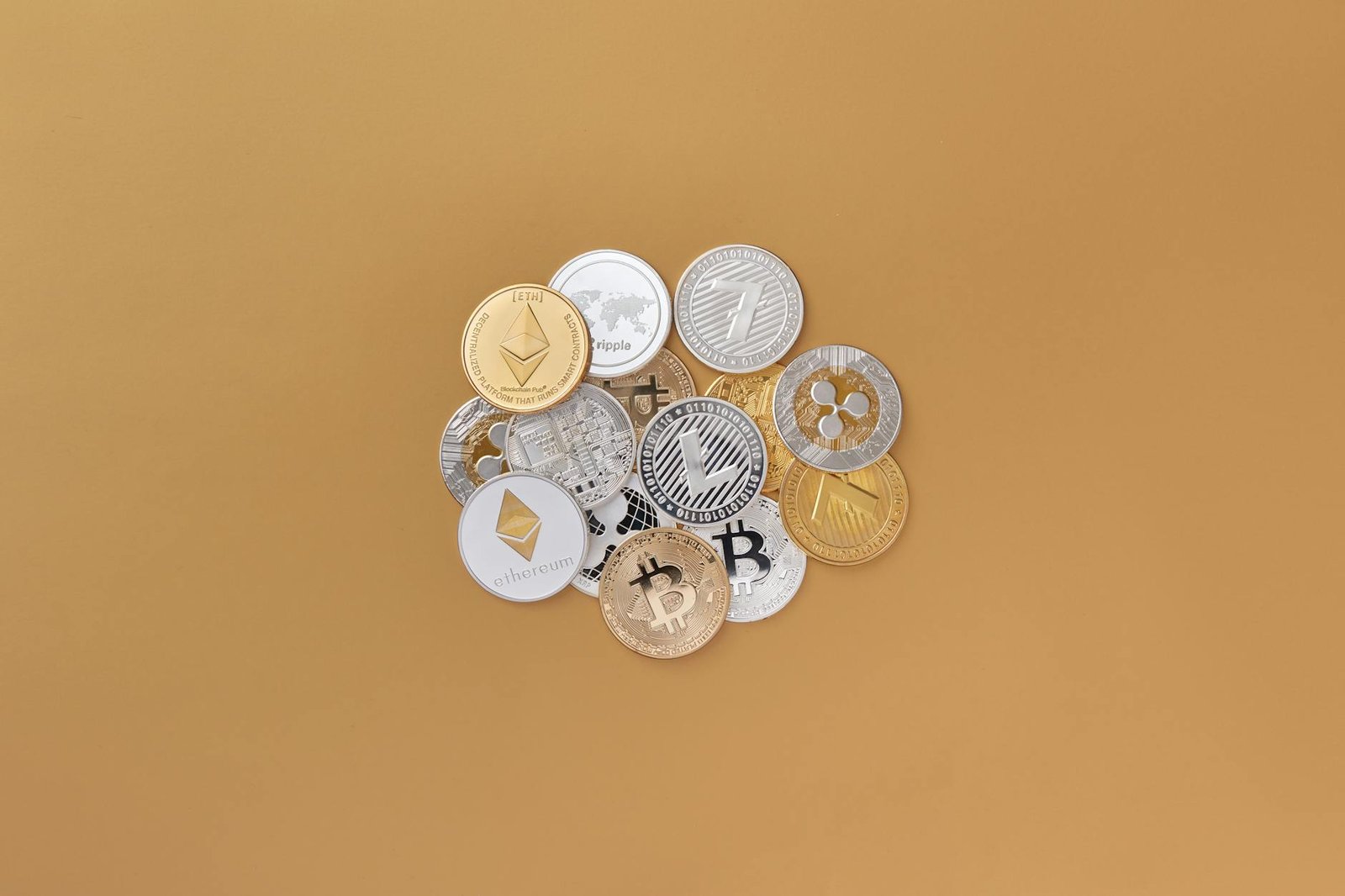
The U.S. Securities and Exchange Commission (SEC) has identified 18 crypto assets as digital commodities, a move that could reshape the broader regulatory landscape for blockchain-based tokens. This classification highlights a growing trend among U.S. agencies to clarify the status of digital assets, moving beyond a fixed list to a more dynamic and inclusive category.
Understanding the Regulatory Shift
This decision by the SEC is part of a broader effort to bring clarity to the crypto market. By classifying these tokens as digital commodities, the SEC is signaling that they do not fall under the same securities regulations as stocks or bonds. Instead, they are treated similarly to traditional commodities like gold or oil, which are regulated by the Commodity Futures Trading Commission (CFTC).
Implications for the Crypto Market
The classification of these 18 tokens as digital commodities could have significant implications for the crypto market. For one, it may reduce regulatory uncertainty, which has been a major concern for investors and businesses. Clearer regulatory guidelines can attract more institutional investors and potentially lead to increased adoption and investment in these assets.
However, the shift also means that these tokens will be subject to different regulatory frameworks, which could impact how they are traded, stored, and used. For instance, digital commodities might be subject to different tax rules and reporting requirements compared to securities.
The List of 18 Digital Commodities
While the SEC has not publicly disclosed the specific tokens included in this classification, industry experts speculate that well-known assets like Bitcoin, Ethereum, and Litecoin are likely to be among them. These tokens have historically been treated as commodities in various jurisdictions, and their inclusion would align with existing regulatory practices.
Expert Analysis
"This classification is a significant step towards a more coherent regulatory framework for digital assets," said Jane Smith, a senior analyst at Blockchain Insights. "It provides much-needed clarity for the market and could pave the way for more robust and innovative use cases in the future."
Looking Ahead
The SEC’s move is likely to be just the beginning of a broader regulatory evolution. As the crypto market continues to grow and mature, regulators will need to adapt and refine their approaches to ensure that the market remains fair, transparent, and secure. This could lead to further classifications and regulatory adjustments in the coming years.
For now, the classification of these 18 tokens as digital commodities represents a milestone in the regulatory journey of digital assets. It signals a shift towards a more nuanced and flexible approach to crypto regulation, which could ultimately benefit both investors and the broader market.
About the Author