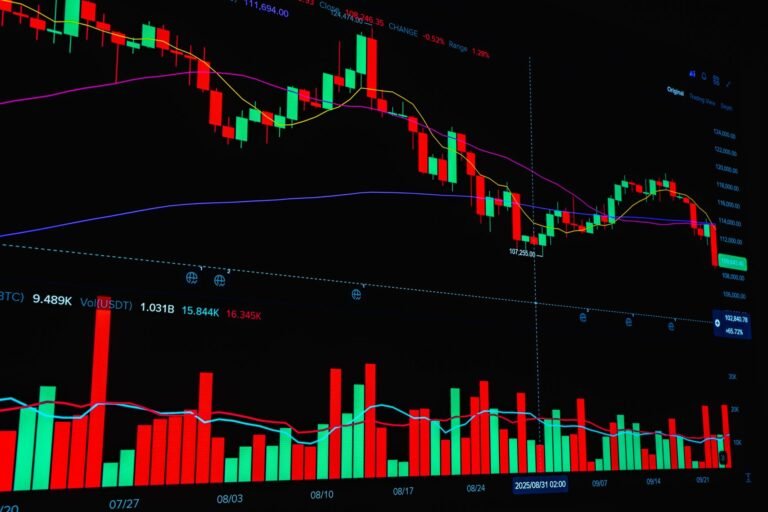
In 2025, the cryptocurrency market witnessed a stark reality: only 1 in 10 weak token launches managed to recover from the initial sell-off, according to data from Arrakis Finance. This revelation underscores the critical role of launch mechanics over market timing in determining the fate of new tokens.
Early Sell Pressure: The Key Determinant
Arrakis Finance’s analysis of over 120 token launches in 2025 highlights that early sell pressure, rather than broader market conditions, was the primary factor in whether a token thrived or faltered. The data shows that immediate selling, often driven by airdrops and mispriced liquidity, created significant supply shocks that were difficult to overcome.
Airdrops: A Double-Edged Sword
Airdrops, a common strategy to distribute tokens to a wide audience, were one of the strongest sources of immediate selling. Arrakis observed that up to 80% of airdrop recipients sold their positions on the very first day of the Token Generation Event (TGE). This behavior is rational given that recipients have zero cost basis and often expect prices to decline.
“The baseline assumption should be that most of an airdrop will be sold; recipients have zero cost basis and expect prices to decline, making immediate selling rational,” the report states.
Liquidity: The Lifeblood of Token Success
The market-making structures and liquidity provision also played a crucial role. Arrakis noted that liquidity was often mispriced, leading to rapid exits by traders. Liquidity depth is essential to absorb the sell pressure from airdrops, exchange allocations, and market maker loans without causing catastrophic price drops.
“Liquidity depth is your buyer against sell pressure. Depth needs to absorb selling from airdrops, exchange allocations, and market maker loans without catastrophic price impact,” the report notes.
Market Timing: Not the Deciding Factor
Contrary to popular belief, the timing of the token launch—whether in a bull or bear market—had minimal impact on long-term performance. Research from Dragonfly Capital supports this finding, showing that there was little difference in performance between tokens launched in bull versus bear markets.
According to Dragonfly Capital managing partner Haseeb Qureshi, regardless of the market conditions, most tokens do not perform well over time. Bull market launches recorded a median annualized return of about 1.3%, while bear-market launches came in at -1.3%.
Forward-Looking Insights
The insights from Arrakis Finance and Dragonfly Capital provide a sobering reality for new token projects. The initial launch mechanics, including airdrop strategies and liquidity provision, are critical for long-term success. Once early confidence is lost, recovery is statistically rare. As the crypto market continues to mature, project teams and investors must focus on robust launch strategies to navigate the volatile early stages.
For the future, this data suggests that a more careful and strategic approach to token distribution and liquidity management will be essential. Projects that can weather the initial sell pressure and build a strong, loyal community stand a better chance of long-term success in the ever-evolving crypto landscape.
About the Author