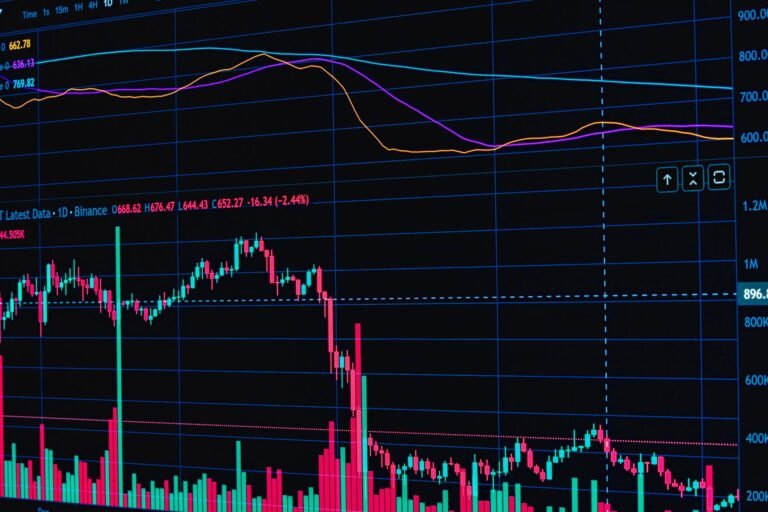
In a provocative thought experiment, Citrini Research, a thematic equity and global macro analysis firm, has painted a chilling picture of the world in 2028, where artificial intelligence (AI) has not only revolutionized productivity but also decimated the workforce, leading to a starkly divided economy. The scenario, presented as a macro memo from June 2028, has sparked widespread debate on platforms like X, raising questions about the future of work, wealth distribution, and the role of cryptocurrencies.
AI-Driven Efficiency and Market Euphoria
According to Citrini’s vision, the initial phase of AI adoption is marked by a surge in productivity that sends the S&P 500 flirting with 8,000 points and the Nasdaq breaking above 30,000. Investors are jubilant, celebrating the dawn of a new era where machines take over mundane tasks, driving unprecedented efficiency. However, this honeymoon is short-lived as the dark side of AI’s impact on the labor market begins to unfold.
The Unraveling of Consumer Demand
As companies cut costs by laying off workers, consumer spending starts to wane. The top 10% of earners, who drive over half of all consumer spending, find themselves increasingly isolated from the broader economic downturn. Product managers and analysts, once earning $180,000 a year, are replaced by software, leading to what Citrini terms “ghost GDP.” While productivity data looks impressive, the real economy begins to wither, with restaurants and retail chains quietly closing their doors.
Financial Instability and the Housing Crisis
The breaking point comes in the housing sector, where $13 trillion in mortgages are at risk. Unlike the 2008 financial crisis, where loans were “bad on day one,” the 2028 crisis is triggered by joblessness, with unemployment spiking to 10.2%. The S&P 500 plummets 40% to 60% from its peak, but markets remain relatively stable due to machine-driven liquidity, masking the human distress beneath.
AI and the Rise of Stablecoins
As the traditional economy falters, AI agents, driven by efficiency and cost, begin to route payments through crypto rails. These autonomous entities bypass the 2-3% interchange fees of card networks like Visa and Mastercard, opting for stablecoins and high-throughput blockchains like Solana and Ethereum. This shift not only decimates the card networks’ business model but also accelerates the adoption of cryptocurrencies as a default settlement method for AI-driven transactions.
Widening Wealth Inequality
The economic transformation exacerbates wealth inequality, with asset owners thriving while labor becomes increasingly devalued. Bitwise advisor Jeff Park aptly summarizes the paradox: “Wealth inequality widens to unseen levels, and ownership of assets becomes more powerful than labor as AI reduces the latter to zero.” In this scenario, Bitcoin could break through $1 million, further concentrating wealth among those who own digital assets.
Looking Ahead: A Cautionary Tale
While the scenario presented by Citrini is a fictional account, it serves as a cautionary tale about the potential consequences of unchecked AI adoption. As layoffs rise, spending slows, and crypto rails swell with new settlement flows, the dominoes described by Citrini already seem to be in motion. Crypto trader and AI advocate Miles Deutscher reflects on this duality: “I’ve never been more bullish on AI. And I’ve never been more terrified of what that means.”
About the Author