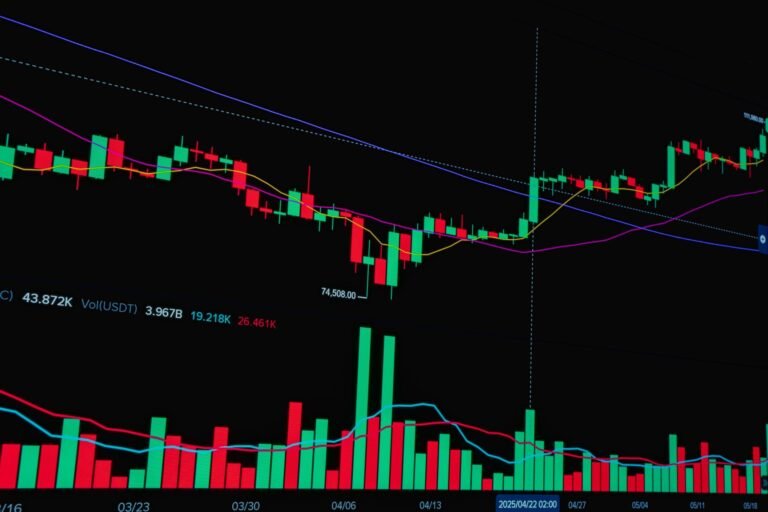
Despite recent turbulence in the cryptocurrency market, Standard Chartered analysts remain confident that the stablecoin market will reach a staggering $2 trillion by the end of 2028. In a recent report, the bank’s experts have revised their projections for the impact of stablecoins on the demand for US Treasury bills (T-bills), a move that reflects the evolving dynamics of the digital asset landscape.
Stablecoins and the Treasury Bill Market
Stablecoins, such as Tether’s USDt (USDT) and Circle’s USDC, are expected to drive a significant portion of the demand for T-bills, although the projected figures have been adjusted. Standard Chartered now anticipates that stablecoins will generate an additional $0.8 to $1 trillion in T-bill demand by 2028, down from the $1.6 trillion forecasted in April 2025. This revision comes amid a broader crypto downturn that has seen the US dollar stablecoin market cap stagnate at around $300 billion.
The Role of the GENIUS Act
The passage of the US GENIUS Act in 2025 is a crucial factor in the bank’s optimistic outlook. The act, which aims to provide a regulatory framework for digital assets, is seen as a positive development that could help stabilize and grow the stablecoin market. However, Standard Chartered’s analysts, Geoffrey Kendrick and John Davies, acknowledge that the current market conditions are cyclical rather than structural, and they remain bullish on the long-term prospects.
Treasury’s Response to Stablecoin Demand
The US Treasury, recognizing the growing demand for T-bills from the private sector, may use this as a justification to issue more T-bills. Treasury Secretary Scott Bessent has suggested that the GENIUS Act could be an important tool in financing the US government. The Treasury’s quarterly refunding announcement echoed this sentiment, noting that stablecoin-related demand, along with the Federal Reserve’s recent decision to commence reserve management purchases (RMPs), could cause T-bills to become overly scarce.
Bitcoin Price Adjustments
While the stablecoin market is expected to grow, the bank’s analysts have also revised their predictions for Bitcoin (BTC). Amid ongoing uncertainty in the crypto markets, Standard Chartered has lowered its BTC price target for 2026 from $150,000 to $100,000. They project that the cryptocurrency could fall as low as $50,000 before a potential recovery.
Looking Ahead
The revised projections and the ongoing regulatory developments highlight the complex interplay between digital assets and traditional financial instruments. As the stablecoin market continues to mature and regulatory frameworks evolve, the impact on the broader financial system will be significant. Standard Chartered’s forecast suggests that stablecoins will play a crucial role in shaping the future of finance, even as they navigate the challenges of market volatility and regulatory scrutiny.
About the Author