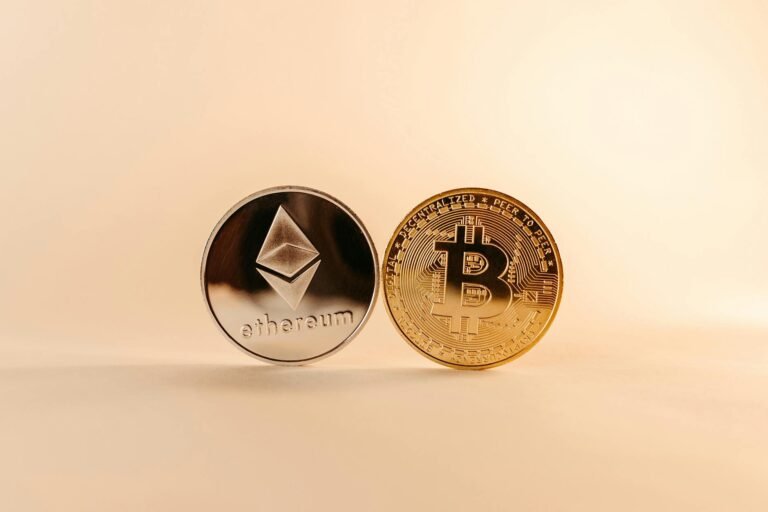
In a significant shift, Bolivia has lifted its ban on cryptocurrency operations, embracing stablecoins as a dollar proxy to address the nation’s currency crisis. Alvaro Rosenblüth, the treasury and exchange manager at Banco de Crédito de Bolivia, highlighted that this pivot was driven by necessity rather than choice.
The Dollar Drought and the Role of Stablecoins
Bolivia, like many other countries, has faced a severe shortage of U.S. dollars, a critical currency for international trade and remittances. The lack of dollars has led to economic instability, making it difficult for businesses and individuals to conduct transactions. In this context, stablecoins have emerged as a viable solution, providing a stable and accessible alternative to traditional fiat currency.
How Stablecoins Are Changing the Game
Stablecoins, which are digital currencies pegged to the value of the U.S. dollar, are now being used for remittances and everyday payments. These digital tokens offer a faster, more efficient, and often cheaper way to transfer value across borders. For Bolivia, this means that citizens and businesses can continue to participate in the global economy without the constraints imposed by the dollar shortage.
The Regulatory Shift
The Central Bank of Bolivia’s decision to lift the ban on cryptocurrency operations marks a significant regulatory shift. This move reflects a growing recognition of the potential benefits of digital currencies in addressing economic challenges. However, it also underscores the necessity of adapting to new financial technologies to remain competitive in a rapidly evolving global market.
Challenges and Opportunities
While the adoption of stablecoins presents numerous opportunities for Bolivia, it also comes with challenges. Ensuring the security and stability of these digital assets is crucial, as is the need to protect consumers from potential risks. Regulatory frameworks will need to be developed and enforced to safeguard the financial system and maintain public trust.
Looking Ahead
Bolivia’s embrace of cryptocurrency is part of a broader trend in Latin America, where countries are increasingly exploring the use of digital currencies to enhance financial inclusion and economic resilience. As the region continues to navigate the complexities of a global financial system, the role of stablecoins and other digital assets is likely to become even more prominent.
Alvaro Rosenblüth’s comments highlight the pragmatic approach Bolivia is taking in the face of economic challenges. By leveraging stablecoins, the country is positioning itself to overcome the dollar shortage and potentially pave the way for a more resilient and inclusive financial future.
About the Author