Share this article
Bitcoin is less volatile than South Korea’s stock market right now
Bitcoin’s comparative stability during geopolitical turmoil has reinforced its appeal as a hedge.
Apr 21, 2026, 9:25 a.m.
What to know:
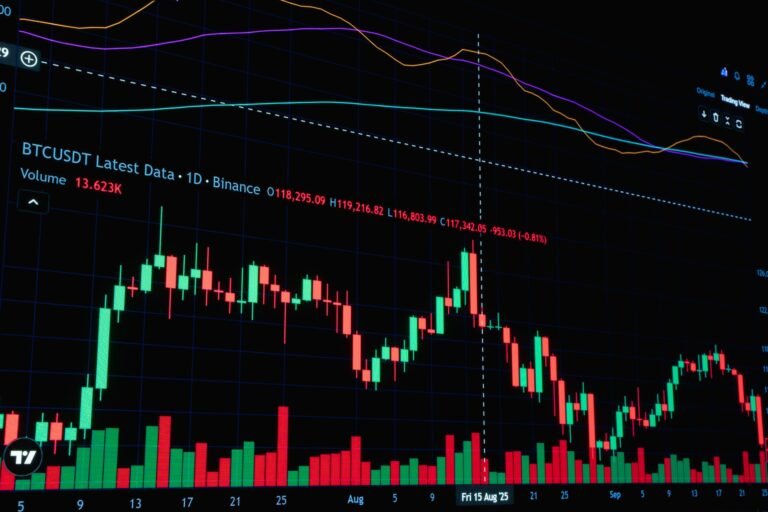
- Bitcoin’s 30-day realized volatility has fallen below that of South Korea’s Kospi and Pakistan’s KSE 100 indexes, challenging its reputation as the most turbulent asset.
- Recent war-driven energy shocks and a spike in oil prices have made Korean and Pakistani stocks more volatile, while bitcoin has traded in a relatively narrow range between about $65,000 and $75,000.
- Bitcoin’s comparative stability during geopolitical turmoil has reinforced its appeal as a hedge.
In this article

Bitcoin’s volatility — a measure of how wildly prices have swung — has steadily declined in recent years, particularly since the introduction of spot ETFs in the U.S. in January 2024. These investment vehicles have increased institutional participation, bringing in more risk-managed capital flows that have helped dampen price swings.
The relative stability underscores its appeal as a geopolitical hedge, holding its value when macro forces like wars wreak havoc on traditional assets. BTC has historically outperformed gold, the S&P 500 and other traditional assets during wars, as River, a bitcoin-only financial institution, pointed out early this month.