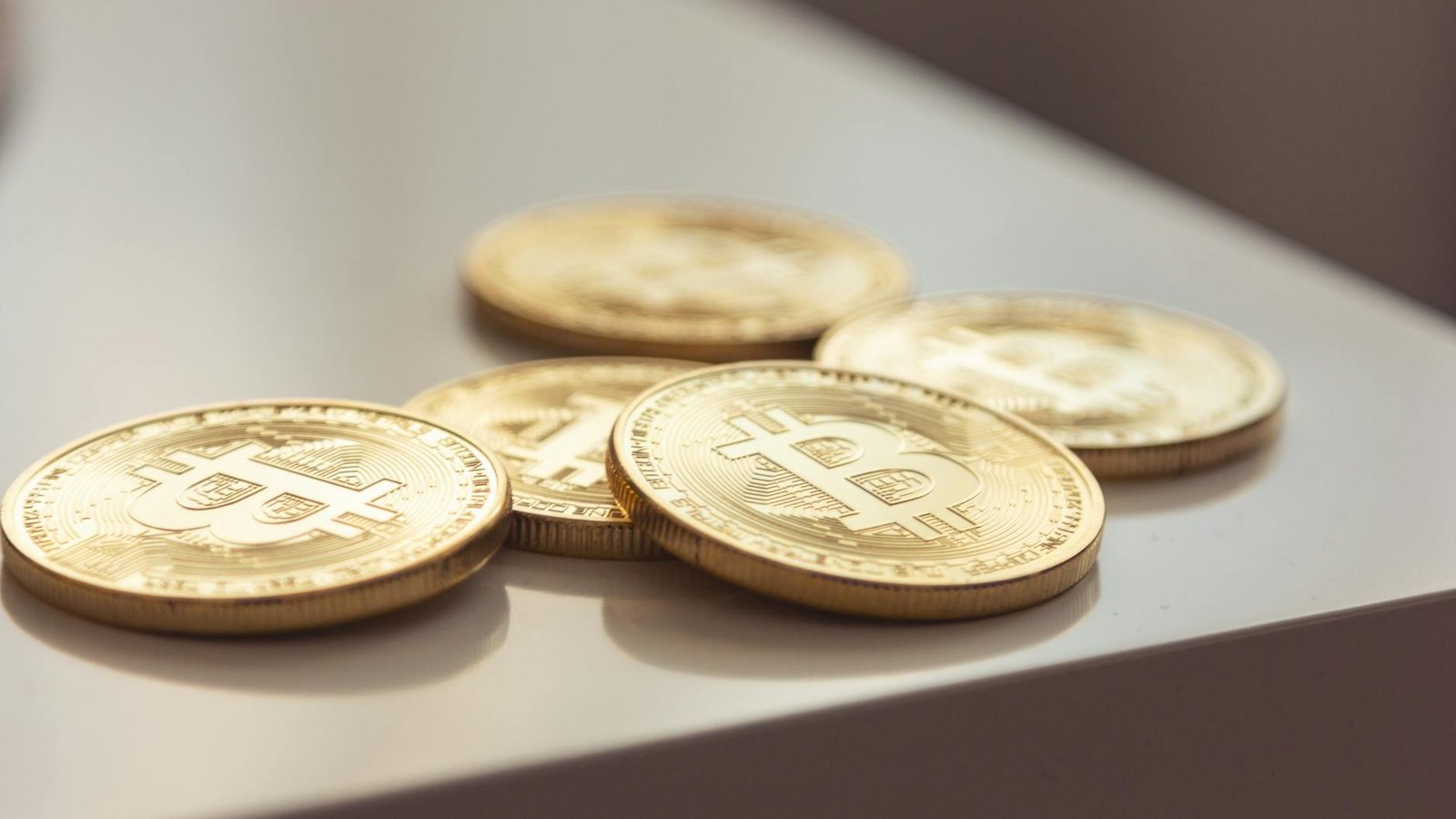
BTC is less volatile than South Korea’s stock market. (Pixabay)
What to know:
Bitcoin’s 30-day realized volatility has fallen below that of South Korea’s Kospi and Pakistan’s KSE 100 indexes, challenging its reputation as the most turbulent asset.
Recent war-driven energy shocks and a spike in oil prices have made Korean and Pakistani stocks more volatile, while bitcoin has traded in a relatively narrow range between about $65,000 and $75,000.
Bitcoin’s comparative stability during geopolitical turmoil has reinforced its appeal as a hedge.
Bitcoin’s volatility — a measure of how wildly prices have swung — has steadily declined in recent years, particularly since the introduction of spot ETFs in the U.S. in January 2024. These investment vehicles have increased institutional participation, bringing in more risk-managed capital flows that have helped dampen price swings.
The relative stability underscores its appeal as a geopolitical hedge, holding its value when macro forces like wars wreak havoc on traditional assets. BTC has historically outperformed gold, the S&P 500 and other traditional assets during wars, as River, a bitcoin-only financial institution, pointed out early this month.
Still, most major regional markets and their global counterparts exhibited less volatility than BTC in the period. Which raises the question: Why makes South Korea, the world’s 14th-largest economy, different?
Korean issues
The higher volatility in Korean stocks reflects, to a great extent, the gyrations in the cost of fossil fuel, which doesn’t really apply to bitcoin.
The Kospi fell from 6,340 points in late February to 5,000 by the end of March, before rebounding to record highs above 6,380 points.
The initial selloff occurred in the run-up to the war between Iran and the U.S.-Israeli coalition, which started Feb. 28, eventually leading to a closure of the Strait of Hormuz, a major oil supply route. This disruption and the resulting spike in oil prices hurt South Korea because the country imports nearly all its fossil fuels, including oil and natural gas from the Middle East.
Later, the index found its footing as the conflict eased and the two sides negotiated a temporary ceasefire, which is set to expire on Wednesday. Pakistan’s stock market saw similar swings, with its economy equally, if not more, exposed to energy market disruptions.
Throughout this time, bitcoin held relatively steady, trading mostly between $65,000 and $75,000, supported by renewed inflows into the U.S.-listed spot exchange-traded funds (ETFs).
The layer-2 network’s security council moved 30,766 ETH to a frozen intermediary wallet, accessible only via further governance action.
What to know:
Arbitrum’s Security Council has frozen 30,766 ETH, worth about $71 million, linked to the $292 million rsETH exploit against Kelp DAO, placing the funds in a governance-controlled wallet.
The emergency action, taken with input from law enforcement and without affecting other Arbitrum users or applications, prevents the original exploiter from…