After Years of Holds and Cuts, the Fed Just Raised Rates Again
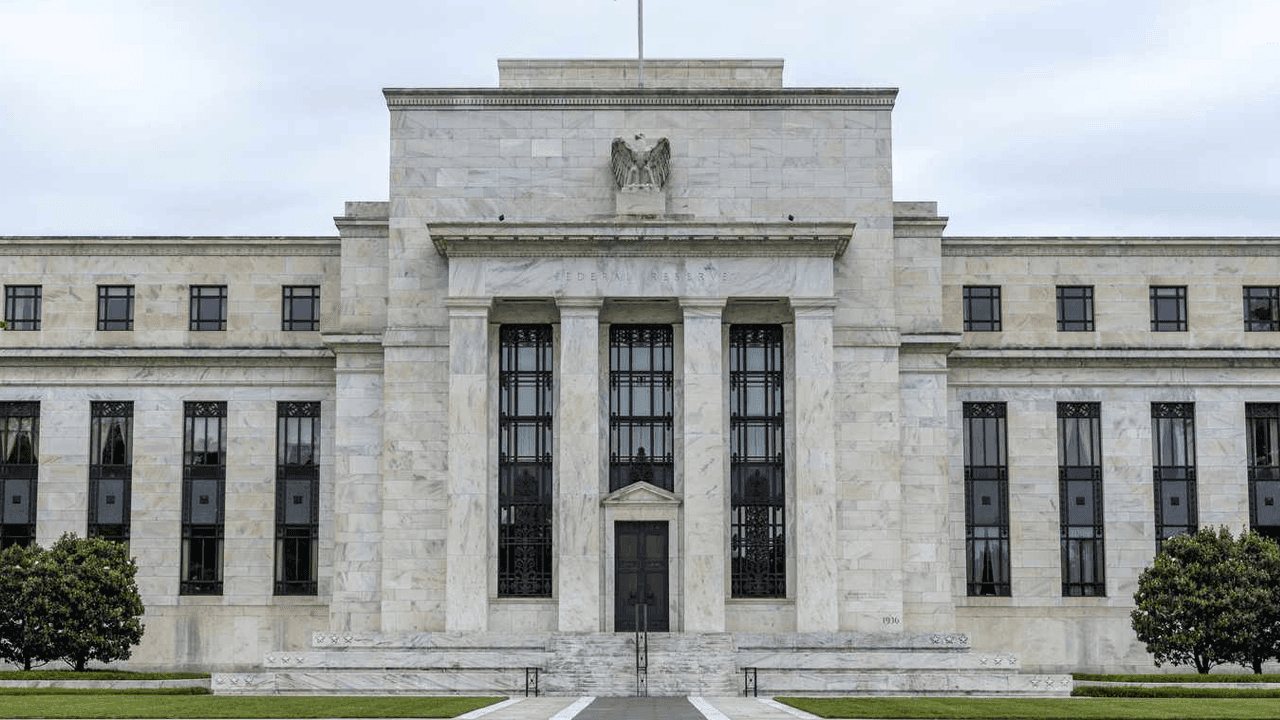
The Federal Reserve just did something it hadn’t done in 1,148 days: raise interest rates. The Federal Open Market Committee (FOMC) voted 12-0 to lift the federal funds target range by a quarter percentage point to 3.75%-4%, marking the first increase since July 26, 2023. That ends a stretch of more than three years without a hike and puts monetary policy back into tightening mode while inflation remains above the Fed’s 2% goal.

Key Takeaways
- The Federal Reserve raised rates 25 basis points after 1,148 days without a hike.
- The FOMC voted 12-0 as inflation remained above the Federal Reserve’s 2% goal.
- The Federal Reserve’s next move now hinges on inflation, employment and growth.
The Fed Just Broke a 1,148-Day Streak
For more than three years, every Federal Reserve rate decision moved in one of two directions: hold or cut. Then, on Wednesday, the script flipped. The Federal Open Market Committee (FOMC) voted unanimously to raise its benchmark target range by 25 basis points, from 3.5%-3.75% to 3.75%-4%.
That sounds like an ordinary quarter-point adjustment until the calendar enters the picture. The Fed’s previous rate increase happened July 26, 2023, when policymakers pushed the range to 5.25%-5.5%. Between those two hikes sit 1,148 days, an entire easing cycle and a rather different interest-rate world.
From 5.5% Down, Then Back Up
The strange part is how much ground the Fed covered before arriving here again. After the July 2023 hike, policymakers held rates at 5.25%-5.5% for roughly a year. Cuts eventually followed, and by July 2026, the target range had fallen to 3.5%-3.75%. Now the elevator has changed direction. Markets already predicted that the FOMC members would lean this way.
Wednesday’s quarter-point increase effectively returns the range to 3.75%-4%, a level the Fed had previously reached from the opposite direction in October 2025, when it cut rates by 25 basis points. Interestingly, the same numbers on the board now tell a completely different monetary-policy story.
Inflation Put the Brakes on the Easing Cycle
The Fed’s explanation was fairly plain. Economic activity is expanding at a solid pace, productivity and capital investment are strong, job gains have kept up with the workforce, and unemployment has changed little. Inflation, however, remains elevated.
That’s the catch. The Fed’s stated longer-term inflation goal is 2%, and Wednesday’s statement said the central bank would “deliver price stability.” The vote was 12-0, meaning there wasn’t a dissenter arguing for another hold or a different-sized move.
For borrowers, the mechanics aren’t mysterious. The federal funds rate isn’t the rate consumers directly pay on a mortgage or credit card, but it influences financing conditions throughout the economy. After years of waiting for borrowing costs to come down, households, businesses and markets suddenly have to price in a Fed willing to move the other way.
Three Years of One-Way Thinking Just Ended
The July 2023 increase capped a tightening campaign that had lifted the federal funds target by 525 basis points from early 2022. What followed eventually became an easing cycle, with rates falling considerably from that 5.25%-5.5% peak. Wednesday broke that pattern.
On the other hand, one increase doesn’t automatically establish a long hiking campaign. The Fed has moved just 25 basis points, and its next decisions will arrive against the same tension visible in Wednesday’s statement: solid economic activity alongside inflation still running above target.
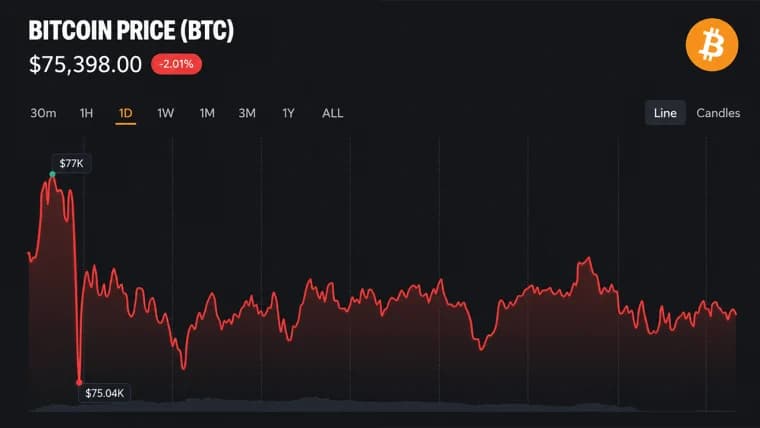
After 1,148 days without a rate hike, the bigger curiosity isn’t what the Fed just did. It’s whether Wednesday was a one-off correction or the moment the interest-rate cycle quietly changed direction. Following the decision, all of Wall Street’s major indexes were in the green, and bitcoin’s price jumped past the $76,000 zone.
At press time, BTC trades for $76,224 per unit.

Tags in this story
About the Author