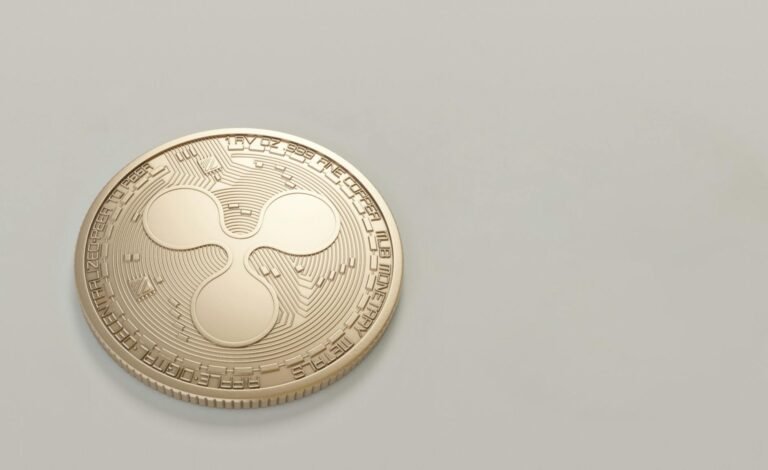
Global insurance broker Aon is making waves in the fintech world by testing stablecoin payments in collaboration with Coinbase and Paxos. The firm used USDC on Ethereum and PayPal USD on Solana to process insurance premium payments, marking a significant step towards integrating blockchain technology into the insurance industry.
Exploring the Future of Insurance Settlements
In a move that could redefine how insurance premiums are settled, Aon has successfully tested stablecoin payments, a development that could streamline transactions and reduce costs. Stablecoins, which are digital currencies pegged to traditional fiat currencies, offer a stable and transparent alternative to conventional payment methods.
According to Aon, the tests involved using USDC (USD Coin) on the Ethereum blockchain and PayPal USD (PYUSD) on Solana. These stablecoins are designed to maintain a 1:1 ratio with the U.S. dollar, providing a level of stability that is crucial for financial transactions.
Benefits and Implications
The integration of stablecoins into insurance payments could bring several benefits, including faster settlement times, reduced transaction fees, and increased transparency. For Aon, this experiment is part of a broader strategy to explore the potential of blockchain technology in enhancing operational efficiency and customer service.
“Stablecoins represent a significant opportunity to modernize the insurance industry,” said a spokesperson for Aon. “By leveraging the speed and security of blockchain, we can offer our clients a more seamless and cost-effective payment experience.”
Partnerships and Technology
Aon’s collaboration with Coinbase and Paxos underscores the growing importance of partnerships in the fintech sector. Coinbase, a leading cryptocurrency exchange, and Paxos, a trusted blockchain infrastructure provider, bring their expertise in stablecoin technology and regulatory compliance to the table.
The Ethereum and Solana blockchains, chosen for their robustness and scalability, provide the underlying infrastructure for the stablecoin transactions. Ethereum, known for its extensive network of developers and robust smart contract capabilities, is a natural fit for complex financial transactions. Solana, on the other hand, offers high transaction speeds and low fees, making it an attractive option for real-time payments.
Industry Reactions and Future Outlook
The insurance industry has been closely watching Aon’s initiative, with many experts viewing it as a potential catalyst for broader adoption of blockchain and stablecoin technologies. However, challenges remain, including regulatory hurdles and the need for widespread education on the benefits and risks of digital currencies.
“Aon’s move is a bold step forward, but the industry as a whole needs to address the regulatory and technical challenges to fully realize the potential of stablecoins,” noted a fintech analyst. “Nonetheless, this is a significant milestone that could pave the way for more innovative solutions in the insurance sector.”
Conclusion
Aon’s pioneering use of stablecoin payments with Coinbase and Paxos marks a significant milestone in the integration of blockchain technology into the insurance industry. While there are challenges to overcome, the potential benefits of faster, more transparent, and cost-effective transactions make this an exciting development to watch. As the industry continues to evolve, Aon’s leadership in this space could set a new standard for how insurance premiums are settled in the digital age.
About the Author