The 2026 Iran conflict sent shockwaves through global financial markets, testing the mettle of both traditional and digital safe-haven assets. As tensions escalated, investors scrambled to reassess their portfolios, leading to a complex interplay between gold and Bitcoin.
The Initial Market Turmoil
The conflict, which threatened to disrupt global energy supplies through the Strait of Hormuz, caused oil prices to spike and stock markets to plummet. This environment typically favors assets like gold, which has a long-standing reputation as a safe haven during geopolitical crises. However, the reaction was more nuanced than expected.
Gold’s Rollercoaster Ride
Gold initially benefited from the crisis, as investors sought refuge from market volatility. However, this upward trend was short-lived. As the U.S. dollar strengthened and bond yields rose, gold prices began to decline. The strengthening dollar, which is often a go-to asset during crises, made gold more expensive for investors holding other currencies, thus reducing its appeal. This shift highlighted how macroeconomic forces can sometimes overshadow safe-haven demand.
Bitcoin’s Volatile Resilience
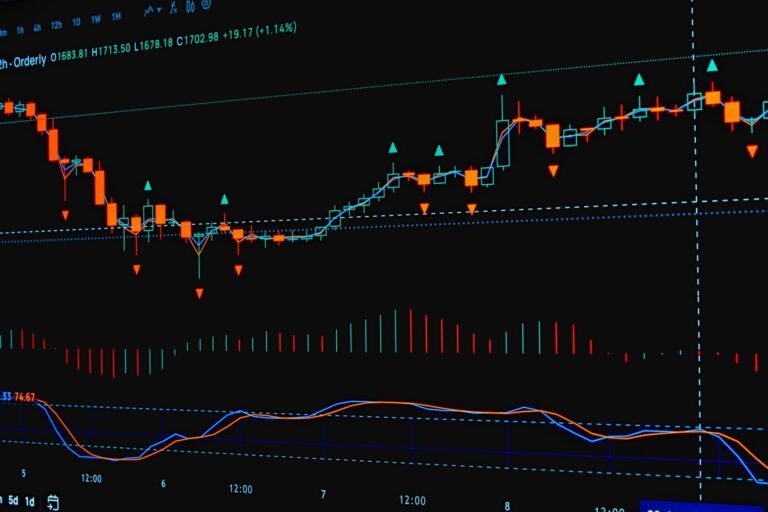
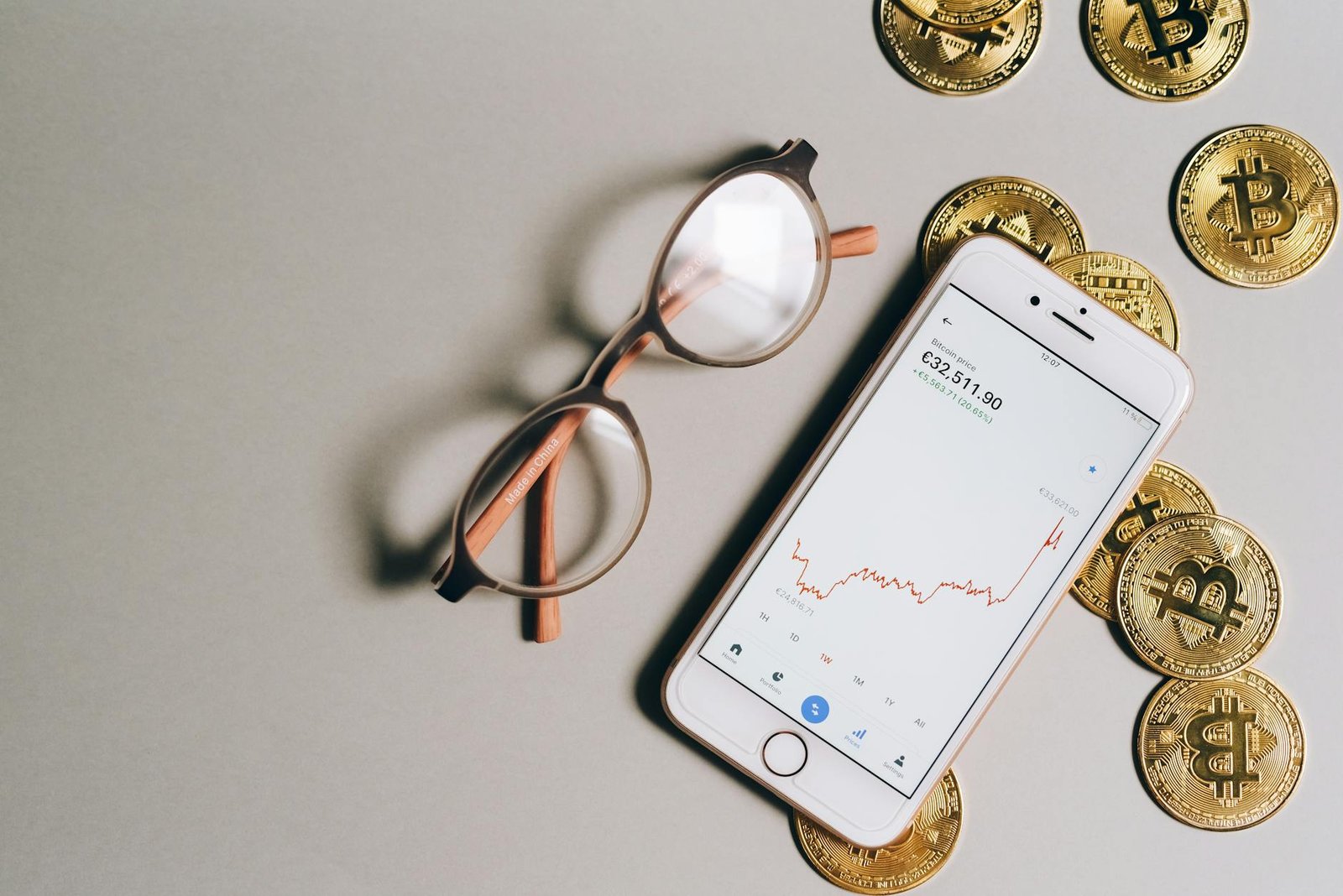
In contrast, Bitcoin experienced significant volatility but showed a quicker recovery. On February 28, 2026, Bitcoin hit a low of $63,106, but by March 5, it had rebounded to $73,156, and by March 10, it stabilized at $71,226. This resilience underscores Bitcoin’s growing role as an alternative asset, though its price movements remain closely tied to market sentiment and liquidity conditions.
The Role of the U.S. Dollar
The performance of both gold and Bitcoin was heavily influenced by the strength of the U.S. dollar. As investors sought liquidity and stability, the dollar’s rise put downward pressure on gold and temporarily dampened demand for Bitcoin. This interplay between currency strength and asset prices is a critical factor in understanding the dynamics of safe-haven assets during crises.
Energy Markets and Inflation Concerns
The conflict’s impact on energy markets was significant. Oil prices surged, raising concerns about inflation and potential economic disruptions. While inflation typically supports gold as a hedge, the immediate rise in bond yields and the anticipation of tighter monetary policy created a counteracting force. Bitcoin, being a newer and more speculative asset, responded more erratically to these signals, driven by investor sentiment and broader market conditions.
Safe-Haven Status: A Closer Look
The 2026 Iran conflict provided a real-world test of the
About the Author