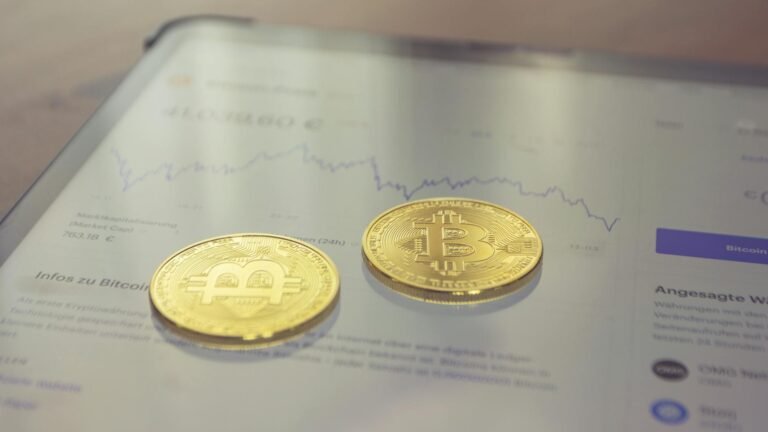
On March 4, 2026, Bitcoin (BTC) surged to a notable $71,559, just shy of a key psychological resistance level at $72,000. The world’s leading cryptocurrency has been on a steady climb, with a market capitalization of $1.43 trillion and a 24-hour trading volume of $59.53 billion, indicating robust investor interest and market confidence.
The asset’s intraday range of $66,336 to $71,805 reflects a significant recovery from the $60,000 support level, which it held firmly over the past few weeks. This upward momentum has been fueled by a combination of factors, including institutional adoption, macroeconomic trends, and growing acceptance of Bitcoin as a store of value and a hedge against inflation.
The Path to $72,000
The journey to this critical resistance level has not been without its challenges. Bitcoin faced several pullbacks and corrections, but each dip was met with strong buying interest. The resilience of the market suggests that the current price level is supported by a robust network of long-term holders and institutional investors.
Market Sentiment and Technical Indicators
Market sentiment remains bullish, with technical indicators such as the Relative Strength Index (RSI) and Moving Averages pointing to a continued upward trend. The RSI, currently at 68, indicates that while the market is not overbought, it is in a strong buying phase. This is further supported by the 50-day and 100-day moving averages, which are trending upwards.
Institutional Adoption Drives Momentum
Institutional adoption continues to be a significant driver of Bitcoin’s price action. Major financial institutions, including BlackRock, Fidelity, and Citigroup, have increased their exposure to Bitcoin, recognizing its potential as a diversification tool and a hedge against economic uncertainties. This trend is likely to continue as more companies and financial institutions explore the integration of digital assets into their portfolios.
Macroeconomic Factors at Play
Macroeconomic factors, such as low interest rates and quantitative easing, have also played a role in Bitcoin’s ascent. The Federal Reserve’s dovish stance and the ongoing economic recovery have created an environment where investors are seeking alternative stores of value. Bitcoin, with its limited supply and decentralized nature, is increasingly seen as a safe haven in a world of fiat currency devaluation.
Challenges and Risks
Despite the positive momentum, Bitcoin faces several challenges. Regulatory scrutiny, particularly from the U.S. Securities and Exchange Commission (SEC) and the Commodity Futures Trading Commission (CFTC), remains a significant risk. Any unfavorable regulatory decisions could lead to market volatility and price corrections.
Additionally, the ongoing debate over the environmental impact of Bitcoin mining continues to draw criticism. However, the industry is making strides in adopting more sustainable practices, with many miners transitioning to renewable energy sources.
Looking Forward
The road to $72,000 and beyond is fraught with both opportunities and risks. As Bitcoin continues to gain mainstream acceptance, it is likely to face periodic corrections and volatility. However, the underlying fundamentals, including institutional adoption and macroeconomic trends, suggest that the long-term outlook remains positive.
Investors and traders should remain vigilant, keeping a close eye on both technical indicators and broader market conditions. The next few weeks will be crucial in determining whether Bitcoin can sustain its momentum and break through the $72,000 resistance level, potentially setting the stage for a new all-time high.
About the Author