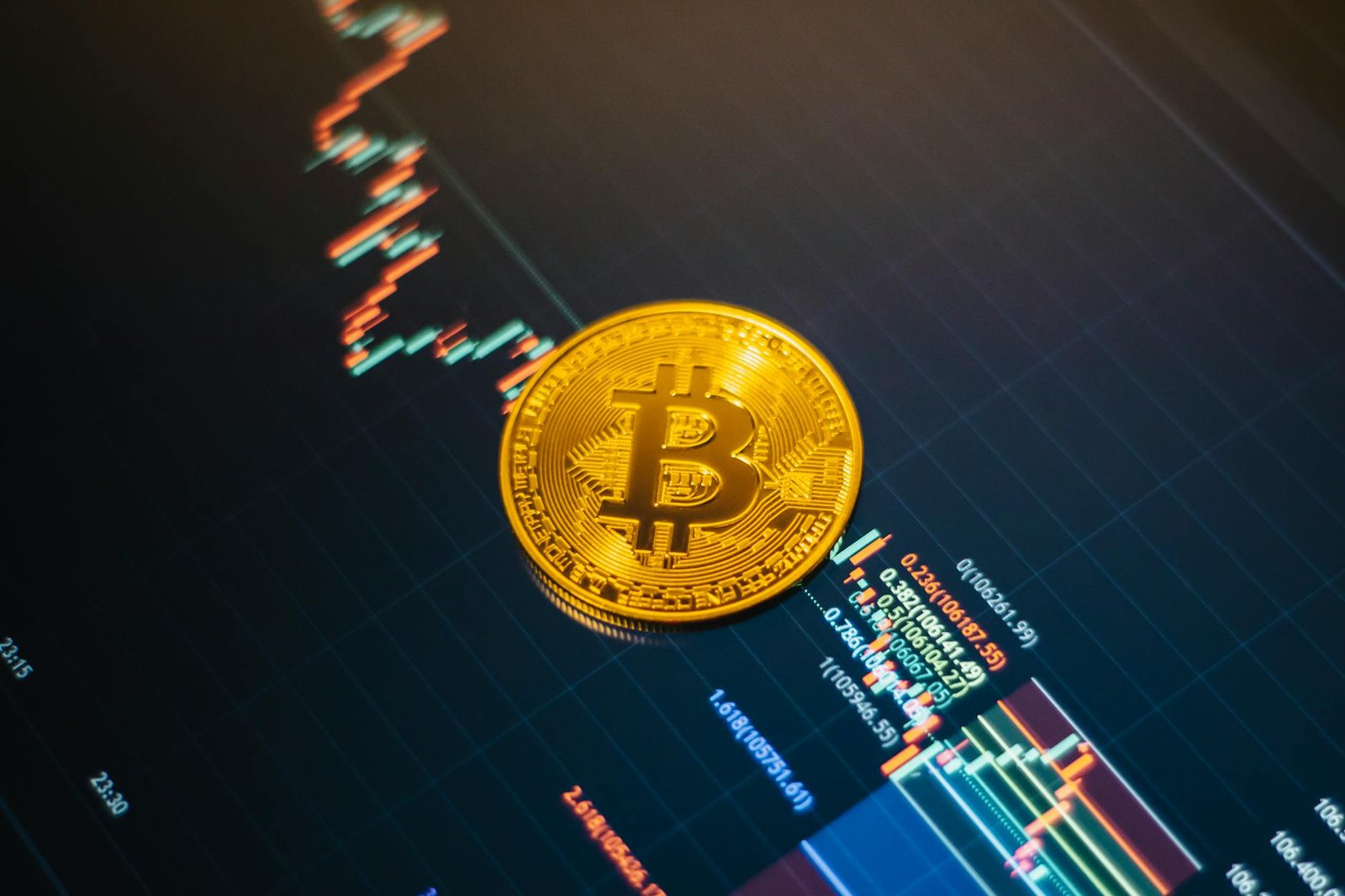
In a day of market upheaval, Bitcoin (BTC) has emerged as a beacon of resilience, climbing during European trading hours despite the broader market’s downturn. The digital asset’s ascent comes as U.S. equity futures, gold, and silver fall, underscoring Bitcoin’s growing independence from traditional market forces.
By Oliver Knight, Omkar Godbole | Edited by Sheldon Reback | Mar 9, 2026, 10:37 a.m.
Bitcoin’s Resilience in a Turbulent Market
The rise in Bitcoin’s price is particularly notable given the significant volatility in other markets. Crude oil prices spiked by 25% earlier this week, leading to a widespread sell-off in equities and a flight to traditional safe-haven assets like gold and the U.S. dollar. However, Bitcoin’s performance suggests that it is increasingly being viewed as a distinct asset class, one that can offer diversification benefits in a crisis.
Why Bitcoin is Holding Steady
Several factors are contributing to Bitcoin’s resilience. First, the U.S. economy’s reduced exposure to oil shocks means that domestic investors are less likely to see their portfolios significantly impacted by rising oil prices. This, in turn, is helping to insulate Bitcoin from the broader market’s volatility. Additionally, the digital asset’s decentralized nature and limited supply make it an attractive store of value for investors looking to hedge against inflation and economic uncertainty.
Macroeconomic Implications
The divergence in Bitcoin’s performance from traditional markets highlights a broader shift in how investors are approaching digital assets. While the U.S. is not as vulnerable to oil price fluctuations as it once was, the global economic landscape remains fraught with risks. The ongoing geopolitical tensions, particularly in regions like the Middle East and Eastern Europe, continue to weigh on investor sentiment. In this context, Bitcoin’s role as a potential safe haven is becoming increasingly significant.
Looking Ahead
As the week progresses, market participants will be closely watching for any further developments in oil prices and global economic conditions. The upcoming U.S. inflation report, scheduled for release later this week, will also be a key focus. If inflation continues to rise, it could further bolster the case for Bitcoin as a hedge against rising prices. However, the digital asset’s future trajectory will ultimately depend on a range of factors, including regulatory developments, technological advancements, and investor sentiment.
In the meantime, Bitcoin’s ability to maintain its value in the face of market turmoil is a positive sign for its long-term prospects. As more institutional investors and retail investors recognize the asset’s potential, its role in the broader financial ecosystem is likely to continue evolving.
About the Author