Bitcoin’s (BTC) downward trajectory accelerated on Friday as the latest US Producer Price Index (PPI) data surpassed expectations, sending shockwaves through the market.
The January PPI report, released by the US Bureau of Labor Statistics (BLS), showed a 0.5% month-over-month increase, significantly higher than the anticipated 0.3%. Core PPI also exceeded forecasts, rising 0.8% compared to the expected 0.3%. This surge in inflation has intensified pressure on risk assets, while traditional safe havens like gold and silver have benefited.
“The January increase in prices for final demand can be traced to a 0.8-percent advance in the index for final demand services. In contrast, prices for final demand goods declined 0.3 percent,” an official BLS statement noted.
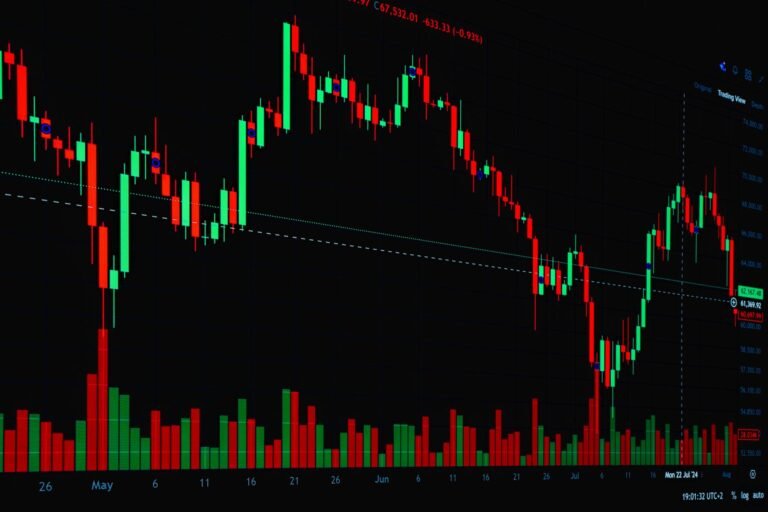
As a result, Bitcoin’s price has dipped, with a 2.5% decline on Bitstamp, according to data from TradingView. Meanwhile, gold has surged to its highest levels since late January, trading above $5,200 per ounce, and silver has reached its highest point since January 30, climbing to $92.
Market Reactions and Federal Reserve Expectations
The unexpected rise in inflation has dampened expectations for interest-rate cuts by the Federal Reserve. According to the latest readings from CME Group’s FedWatch Tool, the probability of a rate cut at the March meeting has fallen below 4%. This shift in sentiment has further pressured Bitcoin and other risk assets, as investors seek safer investments amid economic uncertainty.
“With US inflation creeping higher more quickly than markets assumed, risk-asset pressure increased, while safe havens outperformed,” noted a market analyst. This dynamic has not only affected Bitcoin but has also influenced broader market sentiment, with investors reassessing their positions in light of the new data.
Bitcoin’s Monthly Performance and Market Sentiment
Bitcoin’s monthly performance has been notably weak, with losses nearing 17% month-to-date. The cryptocurrency is on track for its fifth consecutive month of losses, a trend not seen since 2018. Data from CoinGlass confirms this trend, highlighting the prolonged downturn in the market.
Crypto trader and analyst Michaël van de Poppe warned of a possible rerun of events from early February, where Bitcoin hit 15-month lows near $59,000. “Pretty crucial area for me to hold on to. I’d highly favor that $BTC finds a higher low at $65k,” he wrote on X. “However, last day of the month; remember last month? A massive collapse on the markets. Let’s see what it brings: holding $65K opens up the scenario to run up from here.”
Despite the bearish sentiment, some analysts remain cautiously optimistic. They point to key resistance levels for bulls to reclaim, such as the 200-week exponential moving average (EMA) and the old all-time highs around $69,000. However, the current market environment suggests that Bitcoin faces a challenging road ahead.
Looking Forward: Bitcoin’s Path to Recovery
The coming weeks will be crucial for Bitcoin as it navigates the complex landscape of economic data and market sentiment. While the immediate outlook remains uncertain, the cryptocurrency’s resilience and the potential for a rebound should not be overlooked. As the market continues to digest the latest inflation figures and the Federal Reserve’s response, Bitcoin’s ability to weather this storm will be closely watched by investors and analysts alike.
In the meantime, the focus will remain on whether Bitcoin can hold the $65,000 support level and whether the broader market will see a shift back towards risk-on sentiment. For now, the cryptocurrency market remains on edge, with all eyes on the Federal Reserve and the next set of economic indicators.
About the Author