Bitcoin (BTC) investors are increasingly adopting a disciplined cash buffer strategy in response to heightened market volatility, according to on-chain data. This shift marks a departure from the panic selling observed in previous market downturns, as stablecoin activity surges and traders prepare for strategic buying opportunities.
On March 22, stablecoin transfers, particularly USD Coin (USDC) and Tether (USDT), reached a combined $440 billion. This significant increase in stablecoin activity indicates that investors are seeking a safe haven while keeping their options open for opportunistic investments in Bitcoin.
Volatility and Market Sentiment
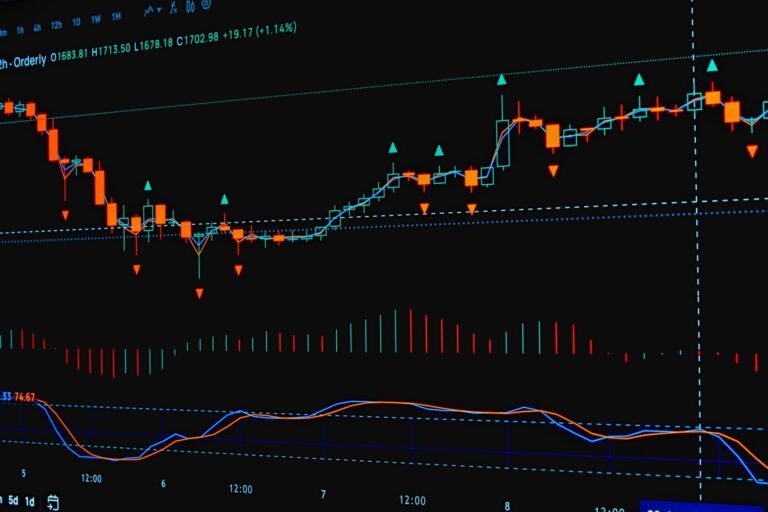
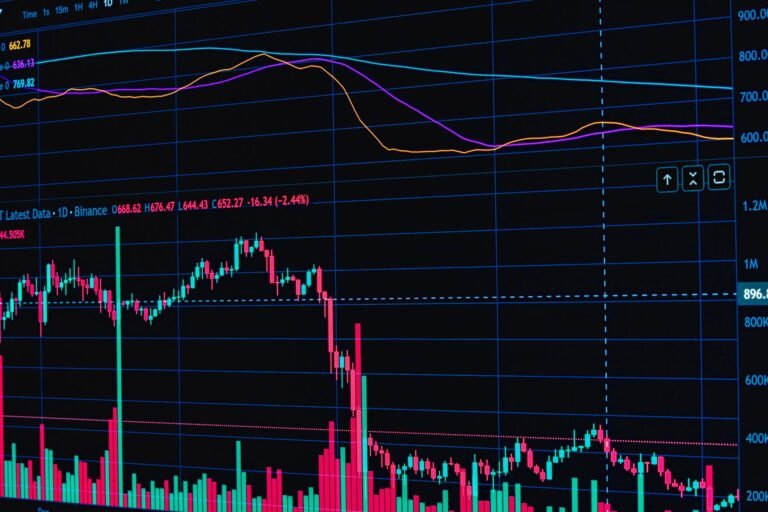
Bitcoin’s volatility has been a defining feature of recent market conditions. Over the past few weeks, BTC has experienced significant price swings, dropping 3.75% to $67,300 before rebounding to $71,700. These fluctuations are largely attributed to the ongoing geopolitical tensions, particularly the conflict between the United States, Israel, and Iran.
The three-month and six-month realized volatility measures have climbed to 107% and 148%, respectively, up from 60% and 94.5% over the past six months. However, the one-year realized volatility remains steady at around 180%, suggesting that while the market is volatile, it is not in a state of full-blown panic.
Stablecoin Flows and Market Dynamics
The surge in stablecoin transfers is a critical indicator of the current market dynamics. On March 22, USDC transfers surged by approximately 2,081% to an all-time high of 368 billion, while USDT transfers on the Ethereum network reached 72 billion. These movements reflect a rapid capital rotation as investors move funds into stablecoins as a temporary store of value.
This behavior is often observed during periods of high market volatility, where traders prioritize liquidity and the ability to quickly redeploy capital. The use of stablecoins as a cash buffer allows investors to remain agile and responsive to market opportunities without being overexposed to the risks of holding volatile assets like Bitcoin.
Futures and Spot Market Activity
The futures market also reflects a more cautious sentiment. Bitcoin’s open interest, measured in USD, has decreased by $19 billion over the past six months, indicating a reduction in leveraged exposure. Funding rates, which were as high as 0.1% in July-August 2025, have cooled to 0.01% and occasionally turn negative, suggesting a lack of strong directional conviction among traders.
Spot market activity on major exchanges like Binance is also showing signs of reduced engagement. Binance is on track to record its lowest monthly spot volume since September 2023, with volumes hovering around $52 billion. This aligns with previous bear market cycles in 2022-2023, where reduced trading volumes were common.
Looking Forward
While the current market environment is characterized by volatility and uncertainty, the adoption of cash buffer strategies by Bitcoin holders suggests a more disciplined approach to investing. This shift could lead to a more stable and resilient market in the long term, as investors are better prepared to weather short-term fluctuations and capitalize on strategic buying opportunities.
As the geopolitical landscape continues to evolve and economic conditions shift, the crypto market will likely remain in a state of flux. However, the increasing use of stablecoins and a more measured approach to risk management may help to mitigate some of the more extreme market movements observed in the past.
About the Author