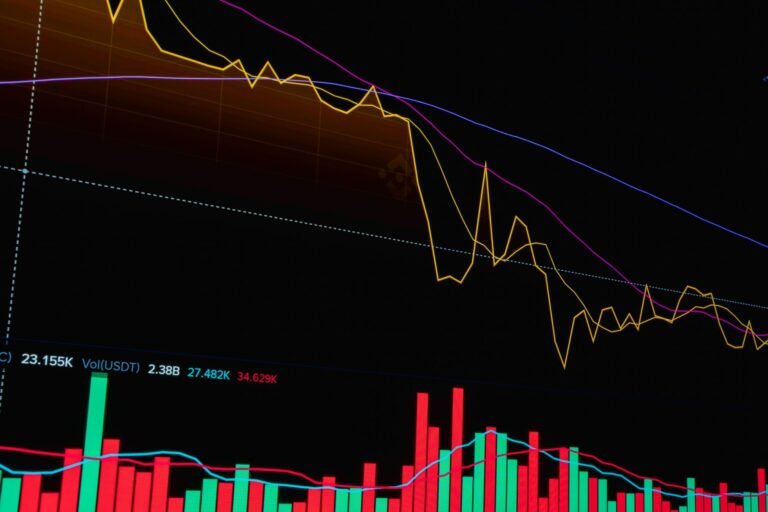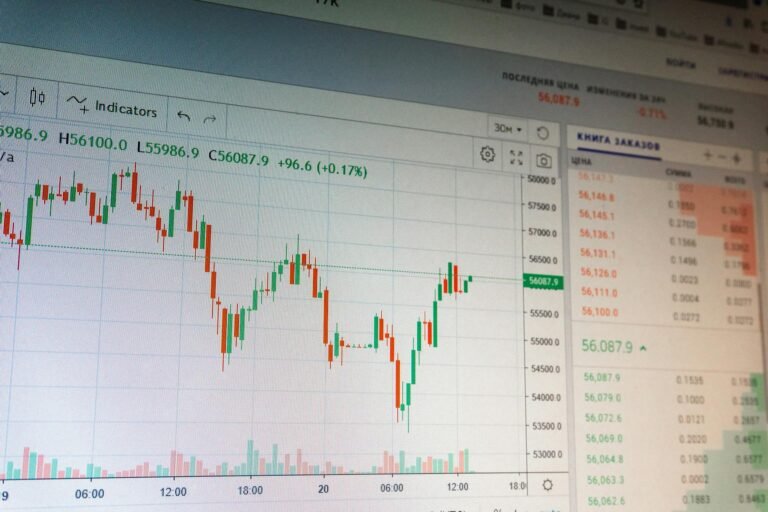
The world of Bitcoin mining is no stranger to volatility, but the latest swings in mining difficulty have left even the most seasoned miners feeling the heat. On February 7, the Bitcoin network saw a significant 11% reduction in mining difficulty, a move that was expected to ease the pressure on miners grappling with soaring energy costs and competitive hardware. However, just two weeks later, at block height 937440, the difficulty has surged by 14.73%, effectively reversing the previous reduction and highlighting the unpredictable nature of the cryptocurrency’s underlying protocol.
The Mechanics of Mining Difficulty
Mining difficulty is a crucial aspect of Bitcoin’s protocol, designed to ensure that new blocks are mined at a consistent rate, regardless of the total computing power dedicated to the network. Every 2,016 blocks, or approximately every two weeks, the difficulty is recalibrated based on the time it took to mine the previous 2,016 blocks. If the blocks were mined faster than the expected 10-minute interval, the difficulty increases, making it harder to find new blocks. Conversely, if the blocks took longer to mine, the difficulty decreases, making it easier.
The Recent Swings
The recent 11% drop in difficulty was a welcome relief for many miners, especially those operating in regions with higher energy costs or less efficient hardware. However, the subsequent 14.73% increase has negated those gains, pushing the difficulty back to levels that are challenging for all but the most well-funded and technologically advanced mining operations.
Impact on Miners
For miners, these rapid changes in difficulty can have significant financial implications. A decrease in difficulty can temporarily boost profitability, as the same amount of computing power can mine more blocks and earn more Bitcoin. However, an increase in difficulty can quickly erode those gains, as the same amount of power now yields fewer rewards. This volatility makes it difficult for miners to plan and invest in their operations, leading to a more dynamic and competitive mining landscape.
Looking Forward
The future of Bitcoin mining remains as uncertain as ever. The ongoing fluctuations in difficulty are a testament to the protocol’s ability to self-regulate and maintain the security and stability of the network. However, they also highlight the challenges faced by miners in a market that is increasingly dominated by large-scale, industrial operations. As the cost of energy and hardware continues to rise, smaller miners may find it increasingly difficult to remain competitive, leading to further consolidation in the industry.
Despite these challenges, the resilience of the Bitcoin network and the unwavering commitment of its community ensure that the cryptocurrency will continue to evolve and adapt. For miners, the key will be staying agile and innovative, constantly seeking ways to optimize their operations and stay ahead of the curve in this ever-changing landscape.
About the Author