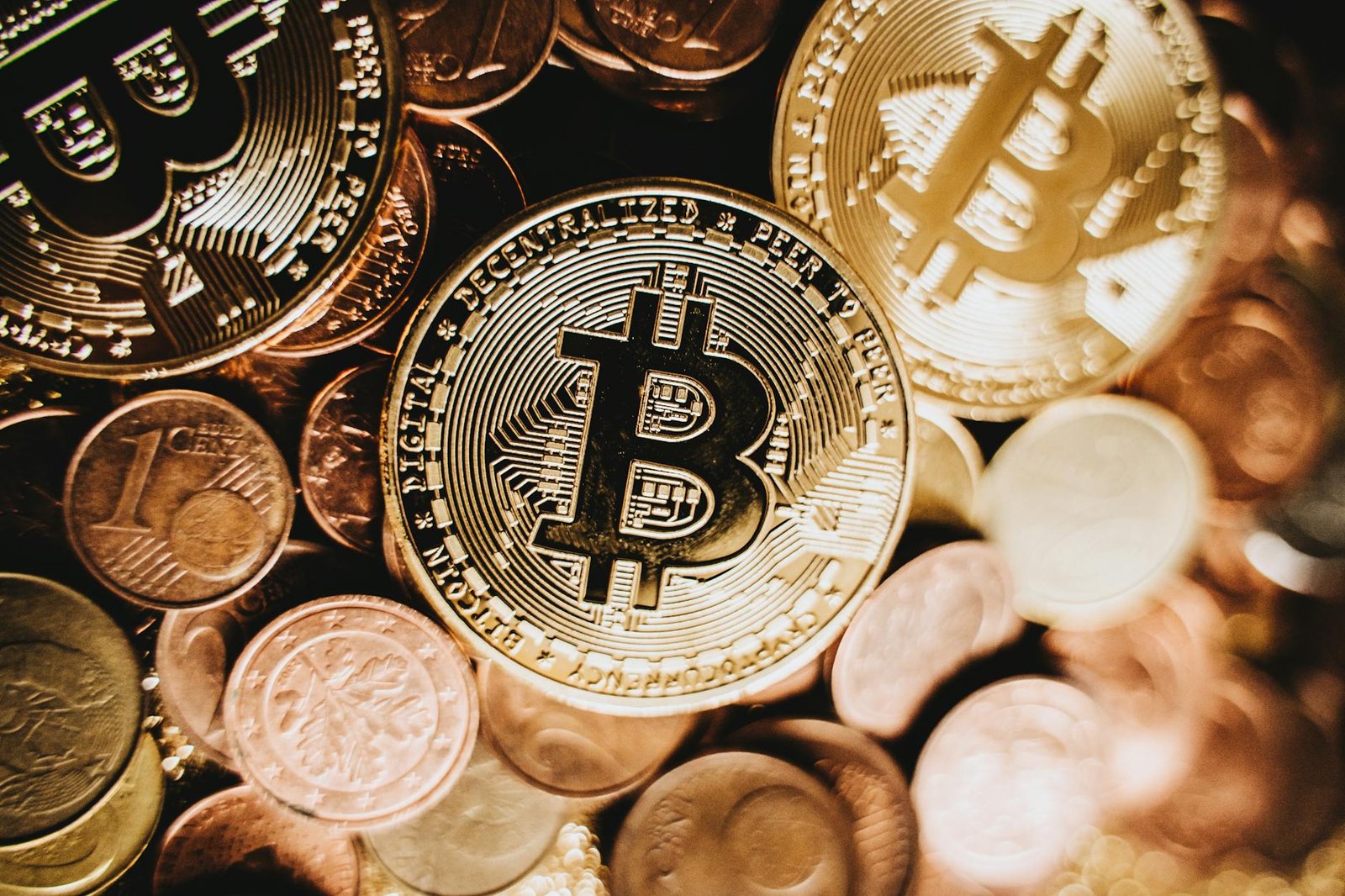
The Bitcoin network has just reached a significant milestone, minting its 20 millionth coin and leaving just one million to be mined over the next century. This achievement underscores Bitcoin’s unique value proposition: a hard-capped, transparent supply that stands in stark contrast to the endless expansion of fiat currencies.
“The market is about to experience something new: A global asset with almost no new supply left,” noted David Eng, managing partner of Energy Co, in an X post. This scarcity, he argues, could enhance Bitcoin’s appeal as a store of value and hedge against inflation.
The Predictable Supply Curve
Bitcoin’s finite supply of 21 million coins is a cornerstone of its design. On average, about 450 new Bitcoins are mined each day, but this rate halves roughly every four years due to the Bitcoin halving mechanism. With just 1 million Bitcoins left to be mined, the last coin is expected to be minted around 2140.
Raphael Zagury, CEO of Bitcoin mining company Elektron Energy, emphasized the importance of this predictable supply curve. “The issuance schedule is transparent decades into the future. Humans value predictable rules, especially when it comes to money,” he told Cointelegraph.
Market Implications
The milestone has sparked discussions about its impact on Bitcoin’s price. However, many analysts believe that the market has already priced in the reduced supply growth rate. “Already priced in, markets know the supply growth rate (inflation rate) of BTC with certainty, and it’s already lower than gold,” said Charles Edwards, founder of Capriole Investments.
Zagury agrees, noting that while the milestone itself may not move the market in the short term, the long-term implications of scarcity and predictability are significant. “Over time, markets tend to reward systems people can trust,” he added.
Long-Term Security and Sustainability
One of the biggest questions surrounding Bitcoin is what will happen once the last coin is mined. Some worry that the network’s security could be compromised as miners will no longer be incentivized by new coins. However, the consensus is that transaction fees will play a crucial role in maintaining network security.
“Once the last Bitcoin is mined, the network will shift to a model where transaction fees become the primary incentive for miners,” explained Tommy Rogulj, portfolio manager at Swyftx. “While this could lead to higher transaction fees, it also ensures the network remains secure and functional.”
Conclusion
The 20 millionth Bitcoin is a testament to the protocol’s robust design and the growing acceptance of digital assets. As the world continues to grapple with economic uncertainties and technological advancements, Bitcoin’s predictable and finite supply offers a beacon of stability. Whether this milestone will have an immediate impact on its price remains to be seen, but the long-term prospects are clear: Bitcoin’s scarcity and transparency are key attributes that will continue to drive its value and adoption.
About the Author