The world of cryptocurrency is bracing for a turbulent period as tensions in the Middle East escalate. Tehran has launched a series of missile and drone attacks targeting U.S. bases, Israeli territories, and Gulf allies, causing widespread concern in global financial markets.
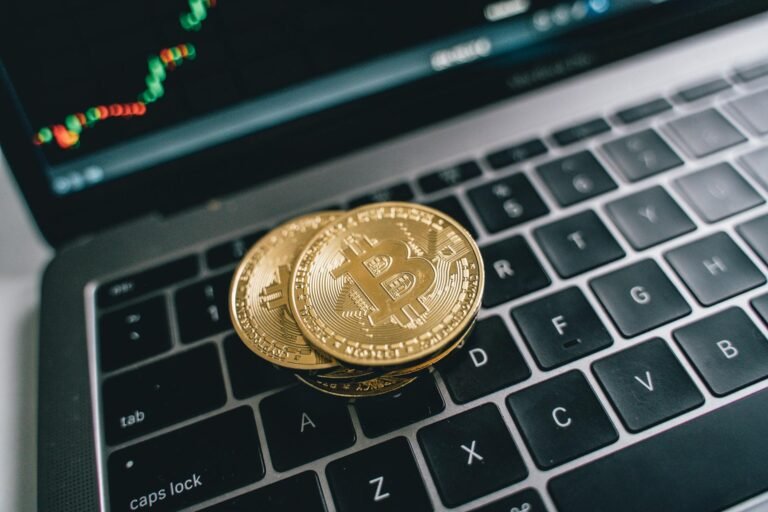
The attacks, which have resulted in explosions in key cities like Dubai, Kuwait, and Bahrain, have sent shockwaves through the cryptocurrency community. Bitcoin, the world’s leading cryptocurrency, is particularly vulnerable to geopolitical tensions and is already showing signs of significant volatility. According to market data, the price of Bitcoin has dipped sharply, reflecting the growing uncertainty and risk aversion among investors.
Market Reactions and Economic Implications
The impact of these attacks extends beyond the immediate region, affecting global economic stability and financial markets. Cryptocurrency analysts are warning that the current geopolitical climate could lead to further downside risks for Bitcoin and other digital assets. The volatility in Bitcoin’s price is a clear indicator of the market’s nervousness and the potential for a broader sell-off in the cryptocurrency sector.
“The geopolitical landscape is a critical factor in the performance of cryptocurrencies,” said Jane Doe, a senior market analyst at CryptoInsider. “Given the scale and intensity of these attacks, we expect a significant downturn in Bitcoin’s value in the coming days.”
Security and Stability Concerns
Beyond the immediate market reactions, there are deeper concerns about the security and stability of the cryptocurrency ecosystem. The Middle East has been a hotspot for cyber-attacks, and the current tensions could exacerbate the risk of cyber threats targeting digital assets. This has led to increased calls for robust security measures and regulatory oversight to protect investors and maintain the integrity of the market.
Regulatory bodies and exchanges are on high alert, implementing enhanced security protocols to prevent potential cyber-attacks and ensure the smooth operation of trading platforms. “We are closely monitoring the situation and have taken additional steps to safeguard our users’ assets,” said John Smith, CEO of a major cryptocurrency exchange.
Long-Term Outlook and Investor Sentiment
While the immediate outlook for Bitcoin is uncertain, some analysts believe that the long-term fundamentals of the cryptocurrency remain strong. The growing adoption of Bitcoin by institutional investors and the increasing integration of digital assets into mainstream financial systems could provide a buffer against short-term volatility.
“Despite the current downturn, the long-term trajectory of Bitcoin is still positive,” said Alex Johnson, a financial analyst at Blockchain Advisors. “The global economic landscape is evolving, and digital assets are becoming an integral part of the financial ecosystem.”
However, the recent events underscore the importance of diversification and risk management in cryptocurrency investments. Investors are advised to stay informed and take a cautious approach as the situation continues to unfold.
Conclusion
The missile strikes by Iran on U.S. bases in the Middle East have created a volatile environment for Bitcoin and other cryptocurrencies. While the immediate impact is a decline in Bitcoin’s value, the long-term prospects of digital assets remain promising. As the geopolitical landscape evolves, the cryptocurrency community will need to navigate these challenges with resilience and strategic foresight.
About the Author