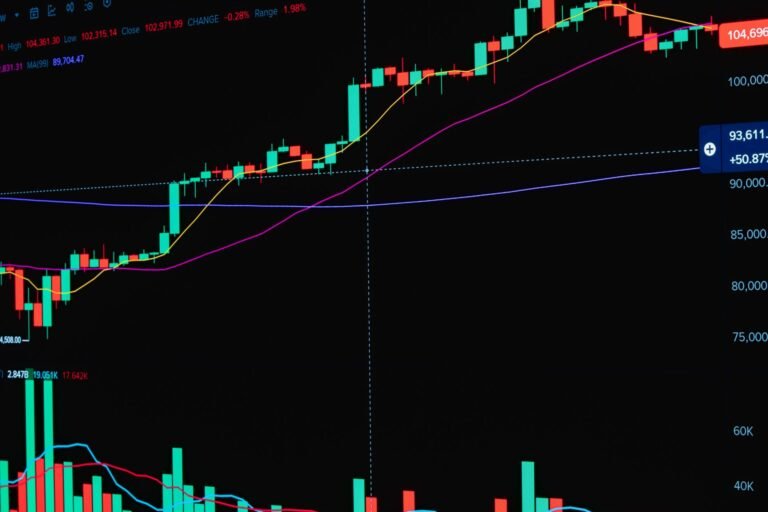
Bitcoin and other major cryptocurrencies have shown resilience this week, recovering from the initial shock of the escalating conflict between the U.S., Israel, and Iran. While Bitcoin (BTC) dipped to $63,245 on Sunday, it rebounded to $73,000 by Thursday, fueled by renewed demand from U.S.-listed spot Bitcoin exchange-traded funds (ETFs) that saw $1.1 billion in net weekly inflows.
In the decentralized finance (DeFi) space, however, tensions are mounting. Aave, one of the leading DeFi protocols, is grappling with a significant governance dispute. The Aave Chan Initiative (ACI), a major governance delegate and service provider within the Aave ecosystem, announced it will not renew its engagement with the Aave DAO and plans to wind down operations over the next four months.
Aave Chan Initiative Exits Aave DAO
ACI founder Marc Zeller stated in a Tuesday announcement that the organization will complete its outstanding commitments and transfer its infrastructure and responsibilities to the DAO or successor providers before concluding its operations. The decision was driven by concerns over governance standards and voting dynamics during the proposal process, marking a significant shift in Aave’s governance landscape.
“The Aave Chan Initiative was built for Aave. Without a future in the Aave ecosystem, the name no longer applies. ACI will wrap up as our obligations conclude,” Zeller wrote.
Bitcoin ETFs Drive Recovery
The recovery in Bitcoin prices was partly attributed to the strong inflows into U.S.-listed Bitcoin ETFs. These ETFs, which provide a way for investors to gain exposure to Bitcoin without directly holding the cryptocurrency, have become increasingly popular. The $1.1 billion in net weekly inflows underscores the growing institutional and retail interest in Bitcoin as a hedge against geopolitical uncertainties and economic volatility.
Stablecoin Inflows Rebound
Meanwhile, stablecoin inflows also saw a significant rebound, with weekly net inflows accelerating to $1.7 billion, a 414.5% increase from the previous week, according to a report from Messari. This surge in stablecoin activity reflects renewed on-chain activity and increased demand for stablecoins, particularly among retail investors.
Future Outlook: AI and Bitcoin
In a more speculative but intriguing development, a report from Strive strategist Joe Burnett suggests that technological deflation driven by artificial intelligence (AI) could propel Bitcoin to $11 million by 2036. Burnett’s forecast is based on the assumption that AI will drive faster productivity gains, leading to sustained monetary expansion by central banks. This, in turn, could significantly increase Bitcoin’s market capitalization, making it a dominant global reserve asset.
“My base case for Q1 2036 is $11 million per Bitcoin,” Burnett wrote.
While the forecast is ambitious, it aligns with historical trends. Bitcoin has seen an average compound annual growth rate (CAGR) of 60% between 2015 and 2024. However, some analysts, like MEXC Research’s chief analyst Shawn Young, caution that Bitcoin’s volatility is likely to decline as more liquidity enters the market, potentially tempering sharp price spikes.
Security and Fraud Prevention
In the realm of security, Bybit, a major cryptocurrency exchange, reported that its AI-assisted risk monitoring system blocked or disrupted over $300 million in suspected scam-related withdrawals in the fourth quarter of 2025. The system flagged about $500 million in withdrawal requests, protecting over 4,000 users from potential fraud. This highlights the ongoing efforts by exchanges to enhance security and protect users from malicious activities.
Conclusion
The cryptocurrency market, particularly Bitcoin, has demonstrated resilience in the face of geopolitical tensions and internal DeFi challenges. The inflows into Bitcoin ETFs and stablecoins indicate a growing institutional and retail interest in digital assets. However, the governance disputes within DeFi protocols like Aave highlight the need for more robust and transparent governance mechanisms. As the ecosystem continues to evolve, the interplay between technological innovation, market dynamics, and regulatory frameworks will shape the future of digital finance.
About the Author