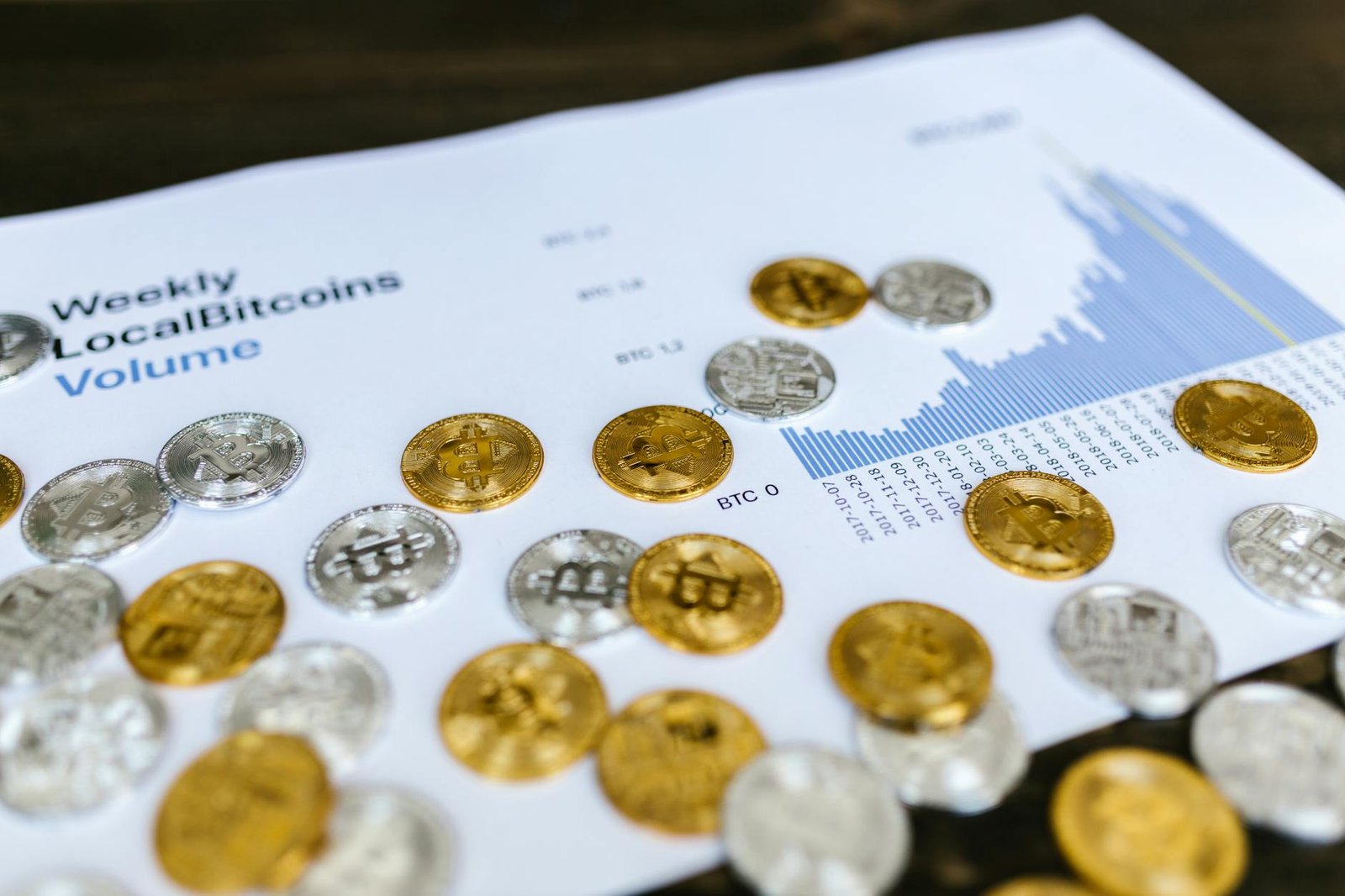
Amid escalating tensions in the Middle East, bitcoin showcased its resilience on Saturday, rebounding sharply from a low of $63,176 to reach $67,152 by 3:45 p.m. Eastern time. The world’s leading cryptocurrency is now trading 2% higher against the U.S. dollar, a significant recovery that highlights its role as a safe-haven asset in times of geopolitical uncertainty.
Market Dynamics and Investor Sentiment
The rapid recovery of bitcoin’s price came as a surprise to many market observers, who initially feared that the U.S. airstrikes on Iran would trigger a broader sell-off in risk assets. Instead, the digital asset’s price action suggests a growing sentiment among investors that bitcoin can weather geopolitical storms more effectively than traditional financial instruments.
Factors Driving the Rebound
Several factors contributed to bitcoin’s swift rebound. First, the initial shock of the U.S. airstrikes was quickly absorbed by the market, with traders reassessing the long-term implications of the conflict. Second, the ongoing adoption of bitcoin by institutional investors and corporations has added a layer of stability to the market. Companies like MicroStrategy and Tesla have allocated a portion of their treasury reserves to bitcoin, providing a strong floor for its price.
Additionally, the growing interest in decentralized finance (DeFi) and non-fungible tokens (NFTs) has attracted a new wave of retail and institutional investors to the crypto ecosystem. This diversification of the investor base has helped to mitigate the impact of short-term market fluctuations.
Geopolitical Implications and Future Outlook
The recent price action of bitcoin in the face of geopolitical tensions underscores its potential as a hedge against economic and political instability. As global tensions continue to rise, particularly in regions like the Middle East, the demand for alternative stores of value is likely to increase. Bitcoin’s decentralized and borderless nature makes it an attractive option for individuals and institutions seeking to protect their wealth from the vagaries of traditional financial markets.
Looking ahead, the resilience demonstrated by bitcoin during this period of geopolitical turmoil could further cement its status as a digital safe-haven asset. However, it is important to note that the cryptocurrency market remains highly volatile, and short-term price movements can be influenced by a wide range of factors, including regulatory developments, technological advancements, and broader macroeconomic trends.
In the long term, the ongoing adoption of blockchain technology and the increasing institutional interest in cryptocurrencies are likely to drive further price appreciation and adoption. As more countries and companies recognize the potential of digital assets, the global financial landscape is poised for significant transformation.
Conclusion
The rapid rebound of bitcoin following the U.S. airstrikes on Iran serves as a testament to its growing role as a safe-haven asset. As geopolitical tensions persist and the global economy continues to evolve, the resilience and adaptability of cryptocurrencies like bitcoin will be increasingly important. For investors, this recent market action provides a compelling case for considering digital assets as part of a diversified investment portfolio.
About the Author