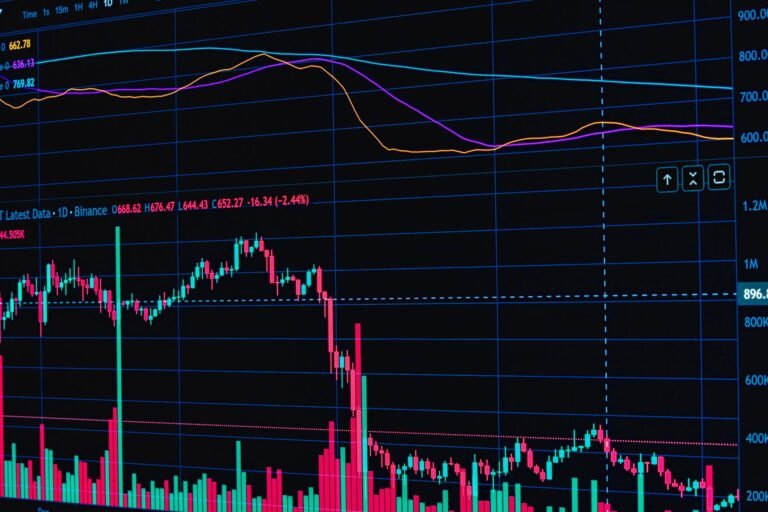
Bitcoin (BTC) is facing renewed pressure as it approaches the end of February, with the digital asset struggling to find a stable footing amid a confluence of geopolitical tensions and rising inflation concerns. The latest sell-off has pushed BTC below $65,000, reigniting fears of a deeper correction and raising questions about the resilience of the crypto market.
Market Sentiment Plummets
The crypto market sentiment is currently at historic lows, as reflected by the Crypto Fear & Greed Index, which has dropped to a mere 5 out of 100. This level of extreme fear is a stark indication that investors are becoming increasingly pessimistic about the short-term prospects of Bitcoin and other cryptocurrencies. Analysts are warning that the market may be heading into a prolonged period of volatility and uncertainty.
Geopolitical and Economic Headwinds
The bearish sentiment is being exacerbated by a series of geopolitical and economic headwinds. Tensions over Iran and the ongoing trade disputes between the U.S. and other nations are creating a volatile environment for risk assets, including Bitcoin. The recent decision by U.S. President Donald Trump to impose new tariffs is particularly concerning, as it has led to a selloff in U.S. stock futures and a broader market pullback.
Whale Movements Signal Caution
Onchain data suggests that Bitcoin whales are becoming increasingly cautious, with large volumes of BTC being moved to exchanges. According to CryptoQuant, the Exchange Whale Ratio has hit 70%, a level historically associated with significant selling movements. This strategic tension between willing sellers and a lack of buyers could push Bitcoin’s price toward its immediate support at $60,000.
Bear Market Echoes of 2022
The current market dynamics are drawing comparisons to the 2022 bear market, with key onchain metrics sounding the alarm. CryptoQuant’s Anchored Volume-Weighted Average Price (AVWAP) has closed below its critical level, a bearish confluence last observed in May 2022. This suggests that the market is entering a phase of heightened risk, with potential for further price declines.
Looking Ahead
As Bitcoin continues to navigate these challenging conditions, the coming weeks will be crucial. The release of the January Producer Price Index (PPI) and other economic indicators could provide additional clarity on the state of inflation and its impact on the crypto market. Traders and investors will be closely watching for any signs of a potential rebound, but the prevailing sentiment suggests that caution is warranted.
Despite the current bearish outlook, some analysts remain optimistic about the long-term potential of Bitcoin. They argue that the current downturn is a natural part of the asset’s cyclical nature and that it could present a buying opportunity for those with a longer-term investment horizon.
About the Author