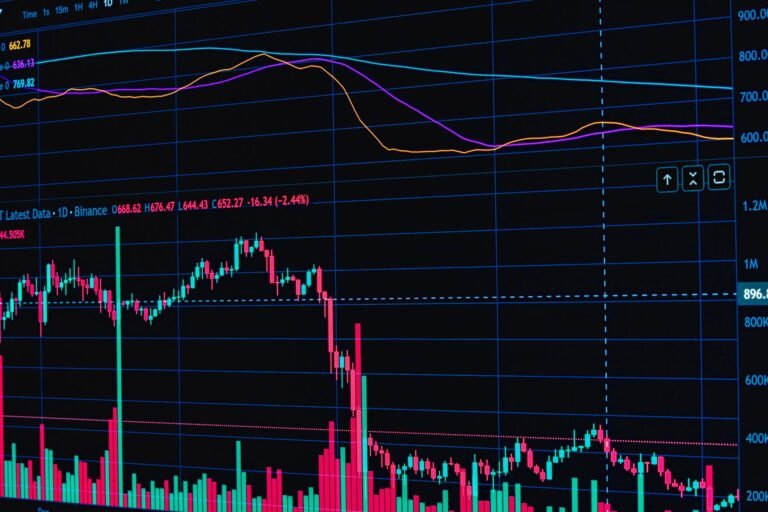
Bitcoin (BTC) surged past the $66,000 mark on Wednesday, riding the wave of a robust recovery in the US stock market. The digital asset’s gains align with a broader market rebound, particularly in tech-heavy sectors, suggesting a shift in sentiment among risk assets.
Key takeaways:
- Bitcoin rallied above $66,000 on Wednesday, recovering alongside US stocks.
- The Bitcoin Coinbase Premium Index flipped positive, indicating renewed US buyer interest.
- Bitcoin ETFs saw $258 million in net inflows, signaling institutional confidence.
Bitcoin’s Recovery Aligns with US Market Gains
The tech-focused Nasdaq led the recovery with a 1.05% daily gain, while the S&P 500 rose 0.68%, and the Dow Jones Industrial Average added 421 points, closing 0.86% higher. Crypto-related stocks also benefited, with Coinbase (COIN) rising 1.12% and MicroStrategy (MSTR) gaining 0.73%.
The swift recovery in US equity markets has eased pressure on crypto investors, who have been cutting risk asset exposure. This is reflected in the Bitcoin Coinbase Premium Index, which tracks the price difference between BTC on Coinbase and Binance. The index flipped positive for the first time since January 15, indicating that US buyers are stepping in.
“US buyers are stepping in,” said analyst Nic, adding that the index needs to stay positive to ensure sustained buying pressure.
Institutional Demand Returns
The return of demand from US investors was also evident in Bitcoin ETFs, which recorded $258 million in net inflows on Tuesday. This influx of institutional capital suggests a growing confidence in Bitcoin as a viable investment.
Breaking the Correlation
Bitcoin, often viewed as a risk asset in the short term, has frequently moved in tandem with the stock market, particularly the S&P 500. However, the past six months have seen a significant divergence, with the daily correlation coefficient index between BTC and the S&P 500 at 0.32 and -0.45 with gold.
Since late August, gold has surged 51%, the S&P 500 has gained 7%, and Bitcoin has fallen 43%. This marks the weakest correlation between Bitcoin and stocks since the FTX collapse in late 2022.
Historical Patterns and Future Outlook
Historically, when an asset that is usually correlated breaks away in this dramatic fashion, it typically does not stay disconnected forever. Onchain data provider Santiment noted that this unusual separation could signal significant upside for Bitcoin and altcoins.
“In the long term, this unusual separation actually argues for significant upside for Bitcoin and altcoins,” Santiment said.
Darius Sit, founder and CIO of trading company QCP Capital, echoed this sentiment, arguing that the “Bitcoin vs. gold” debate is often misread as a price contest. The more important driver, he said, is liquidity and market structure.
“The divergence between stocks and BTC reflects position unwinds and leverage-driven flows, not a failure of Bitcoin’s longer-term narrative,” Sit said. “Bitcoin still behaves like a long-term inflation hedge and an increasingly legible form of collateral.”
As Bitcoin’s adoption by institutions, banks, merchants, public companies, and nation-states continues to surge, it is solidifying its position as a maturing asset class. If Bitcoin returns to its historical pattern of tracking equities during economic expansions, it may have significant room to catch up, providing a bullish outlook for the digital asset.
Conclusion
The recent surge in Bitcoin prices, aligned with the recovery in US stocks, suggests a potential bullish run. The re-emergence of institutional demand and the flipping of the Bitcoin Coinbase Premium Index to positive are strong indicators of renewed interest from US buyers. While the correlation with stocks and gold remains weak, historical patterns suggest that this divergence could be a precursor to significant upside for Bitcoin and the broader crypto market.
About the Author