Bitcoin (BTC) experienced a significant price fluctuation this week, dropping to $70,900 on Wednesday amid a broader sell-off in US stocks. The downturn followed a hotter-than-expected Producer Price Index (PPI) report, which indicated a 0.7% increase over the month, higher than the 3.4% year-on-year estimate. Despite the initial dip, Bitcoin managed to recover and reclaim the $72,000 mark, thanks to steady demand in the spot market and the Federal Reserve’s decision to leave interest rates unchanged.
Market analysts and traders had anticipated the Fed’s decision to hold rates, but the ongoing volatility in oil prices, equity markets, and geopolitical tensions, particularly the recent conflict between the US and Israel against Iran, added to the market’s jitters. The confluence of these factors has kept traders on edge, leading to increased volatility across various asset classes.
Technical Analysis: Bitcoin’s Bullish Trend Continues
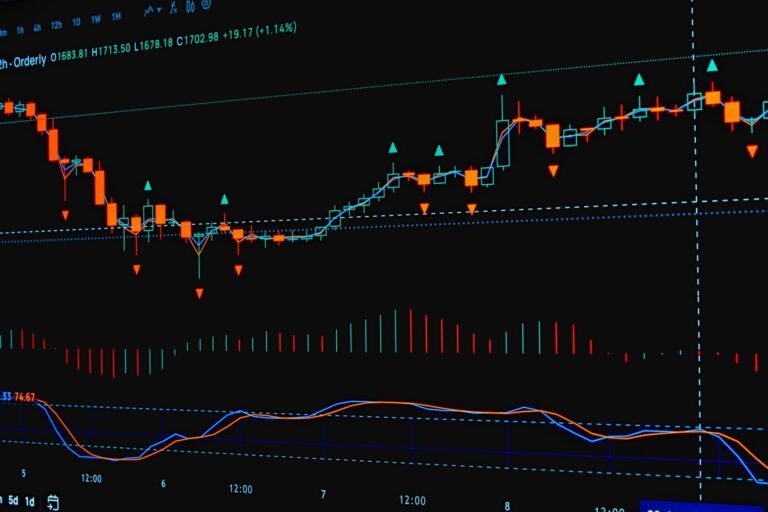
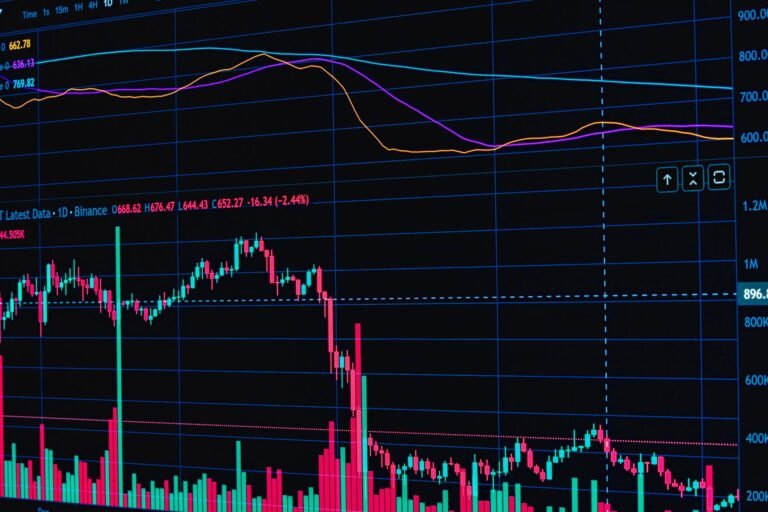
From a technical standpoint, Bitcoin’s price action on the four-hour chart shows a higher low pattern, indicating that the short-term uptrend remains intact. The price is currently holding above both the 100- and 200-period exponential moving averages (EMAs), which are acting as dynamic support levels. These moving averages, which track the average prices over time, help define the trend direction and suggest that Bitcoin is likely to stabilize near the $71,000 level.
The $70,250 to $71,275 range is crucial for Bitcoin bulls, as it represents the internal liquidity levels built during Monday’s breakout. Losing this range could expose the next liquidity pocket near $68,900, a level aligned with a small order block between $68,300 and $69,100. Maintaining these levels is essential for keeping the lower time frame trend structurally bullish, with higher lows signaling continued demand on dips.
Profit-Taking and Bid Absorption
Prior to the recent correction, onchain data indicated rising sell-side activity from short-term holders (STHs) on Tuesday. According to crypto analyst Darkfost, over 48,000 BTC in profit moved to exchanges in a single day as the price approached $75,000. This suggests that buyers were locking in gains, treating the price rebounds as exit opportunities. However, the drop to $71,000 saw passive bids being filled, a pattern that has consistently preceded short-term recoveries over the past two weeks.
The absorption of selling pressure at these levels has been a positive sign, indicating that there is consistent demand for Bitcoin at lower price points. This dynamic is crucial for maintaining the overall bullish trend and could provide a foundation for further price appreciation in the near future.
Historical Context: Bitcoin’s Reaction to Fed Meetings
Historically, Bitcoin has shown a tendency to decline after Federal Open Market Committee (FOMC) meetings, regardless of the direction of interest rates. Market analyst Sherlock noted that since June 2025, Bitcoin has declined following each of the last six FOMC meetings. With the markets already pricing in another hold on interest rates, traders are now focusing on how Bitcoin will react around current liquidity clusters, particularly near the $71,000 mark.
This historical pattern suggests that while the immediate reaction to the Fed’s decision might be negative, the longer-term trend for Bitcoin remains bullish. The ability of the market to absorb selling pressure and recover quickly is a positive indicator of the asset’s resilience and the continued interest from both retail and institutional investors.
Conclusion: Bitcoin’s Path Forward
Despite the recent volatility, Bitcoin’s ability to reclaim the $72,000 level and maintain key support levels is a testament to its underlying strength. The combination of steady demand, the Fed’s decision to hold interest rates, and the market’s ability to absorb profit-taking suggests that Bitcoin is well-positioned for further gains. As the market continues to navigate the complexities of inflation, geopolitical tensions, and regulatory changes, the focus will likely shift to how Bitcoin performs in the context of broader macroeconomic trends.
In the coming weeks, traders and investors will be closely watching for any signs of sustained buying interest, particularly around the $71,000 level. If Bitcoin can hold and build on this support, it could signal a strong foundation for a continued bullish trend in the near term.
About the Author