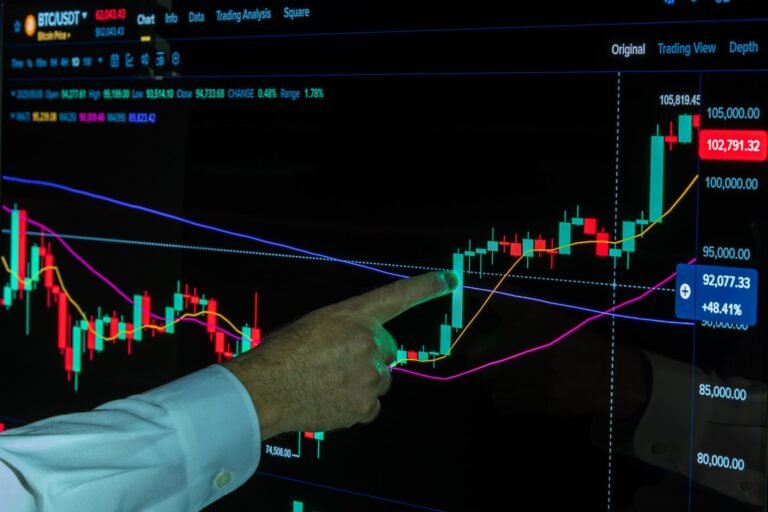
As of 8 a.m. EST on March 7, 2026, Bitcoin (BTC) traded at $68,094, marking a 3.3% decline over the past 24 hours. The leading cryptocurrency’s market cap stood at approximately $1.36 trillion, with a daily trading volume of around $39.07 billion. Despite these fluctuations, Bitcoin’s price action remained constrained within a $67,495 to $70,423 intraday range, a trend that reflects the broader market’s cautious sentiment.
A Day in the Life of Bitcoin
The day’s price action is a microcosm of Bitcoin’s recent performance, characterized by a lack of significant upward momentum. Technical indicators across multiple timeframes suggest that the downtrend is still intact, with little to suggest a reversal in the near term. The 50-day moving average remains below the 200-day moving average, a bearish signal that has persisted for several weeks.
Market Sentiment and Technical Analysis
Market analysts are closely watching the 50-day and 200-day moving averages, which are key indicators of long-term trends. The fact that the 50-day MA has consistently stayed below the 200-day MA is a clear sign that the bearish momentum is not showing any signs of weakening. Additionally, the Relative Strength Index (RSI) remains in the oversold territory, indicating that the market is due for a correction, but not necessarily a bullish one.
Factors Influencing the Market
Several factors are contributing to the current market sentiment. Regulatory concerns, macroeconomic issues, and a general risk-off environment have all played a role in dampening investor enthusiasm. The ongoing debate over the regulation of cryptocurrencies, particularly in the United States and Europe, has added a layer of uncertainty that has weighed on prices. Furthermore, the recent economic data, including inflation and unemployment figures, have not been particularly favorable for risk assets like Bitcoin.
Looking Ahead
Despite the current downtrend, some analysts remain optimistic about Bitcoin’s long-term prospects. They argue that the fundamental value of Bitcoin as a store of value and a hedge against inflation remains intact. However, in the short term, the market is likely to remain volatile, with traders and investors watching for any signs of a shift in sentiment. The next few weeks will be crucial, as key economic indicators and potential regulatory developments could provide more clarity on the direction of the market.
Conclusion
While Bitcoin’s price remains in a tight range, the underlying technical and fundamental factors suggest that the downtrend is likely to continue. However, the cryptocurrency’s resilience and the growing institutional interest in digital assets could provide a floor for prices. Traders and investors should remain vigilant and prepared for further volatility in the coming weeks.
About the Author