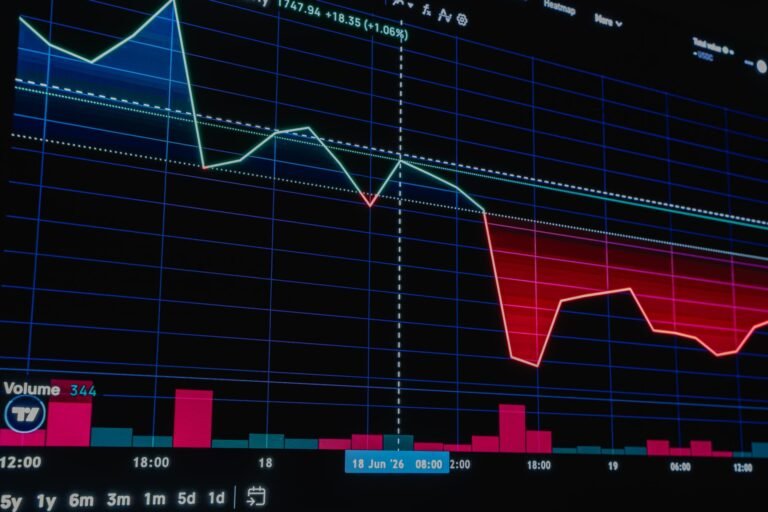
Bitcoin prices soared on Wednesday, climbing back above the $72,000 mark, as markets digested positive signals from Iran indicating a potential end to its conflict with Israel, not just a temporary ceasefire.
The shift in Iran’s stance, reported by regional media and corroborated by diplomatic signals from Washington, has lifted risk assets and pressured oil prices downward. Traders are treating the development as a significant step toward de-escalation in a conflict that has weighed heavily on global financial markets.
Oil Prices Plunge, Boosting Risk Assets
Brent Crude oil prices dropped more than 4%, falling from above $104 to below $100 within minutes of the report. This decline reflects easing concerns over potential supply disruptions in the Middle East, a region critical to global energy flows. Lower oil prices generally support risk assets by reducing inflationary pressures and improving liquidity conditions.
Bitcoin’s Market Sentiment
Bitcoin’s price has closely aligned with broader market sentiment in recent months, moving in tandem with equities and other risk-sensitive assets. As oil prices fell and equity futures rose, Bitcoin reversed earlier losses and climbed back above the psychologically significant $72,000 level. This rebound underscores how quickly market sentiment can shift when traders perceive a path toward stability.
Geopolitical Uncertainty and Market Dynamics
The geopolitical backdrop remains complex, with ongoing talks between Washington and Tehran and reports of a multi-point proposal aimed at ending hostilities. Despite these positive signals, military activity in the region continues, highlighting the fragile nature of any agreement. Markets are adjusting to each headline, with rapid shifts in sentiment driving short-term price movements.
Institutional Demand Supports Bitcoin
Institutional demand has also played a crucial role in supporting Bitcoin’s price. Flows into spot Bitcoin exchange-traded funds (ETFs) and continued accumulation by large holders like Strategy have helped stabilize the market. Bernstein maintains a bullish outlook, projecting a $150,000 year-end target for Bitcoin, citing strong ETF inflows and rising corporate demand.
Competing Forces in the Market
However, the market faces competing forces. Interest rate policy in the United States continues to impact risk assets, with higher rates exerting downward pressure. Geopolitical developments remain a key driver of short-term price swings, often overshadowing broader macroeconomic trends. For now, Bitcoin’s positive response to the latest headlines suggests that traders view the prospect of a broader resolution as a positive signal.
Conclusion
The combination of falling oil prices, steady institutional demand, and improving sentiment has provided a lift to the Bitcoin market, even as uncertainty persists. While the road to a peaceful resolution in the Middle East remains uncertain, the market’s reaction highlights its sensitivity to geopolitical developments. As the situation evolves, Bitcoin’s performance will likely continue to be influenced by both macroeconomic factors and geopolitical news.
About the Author