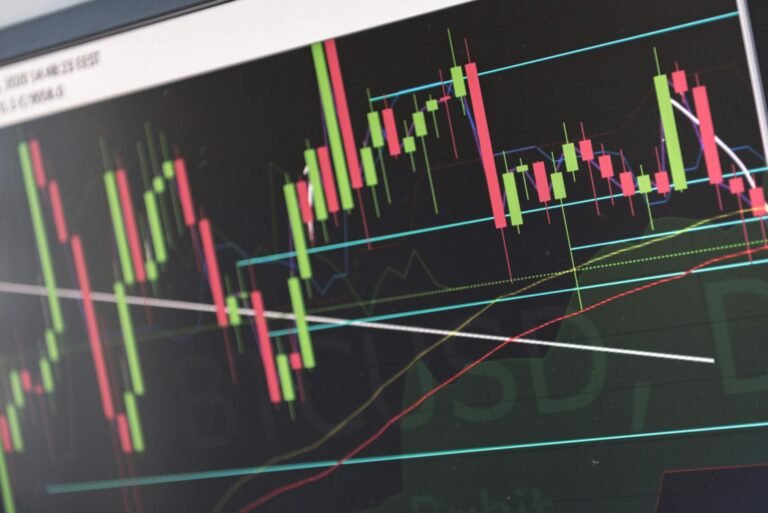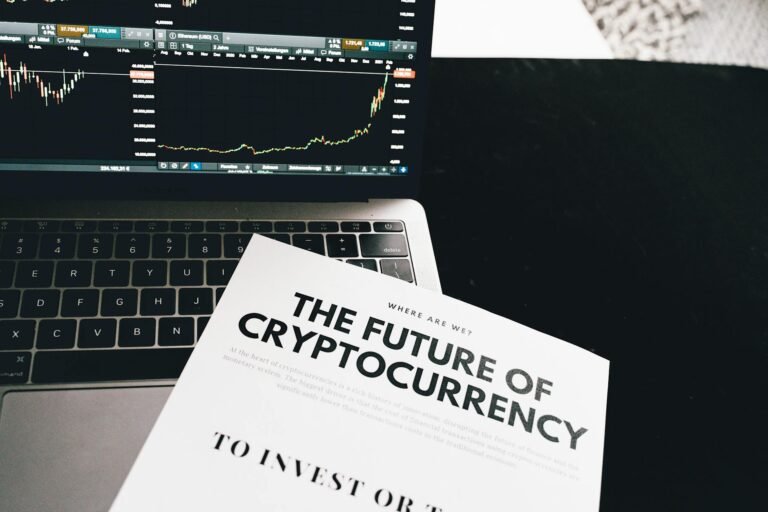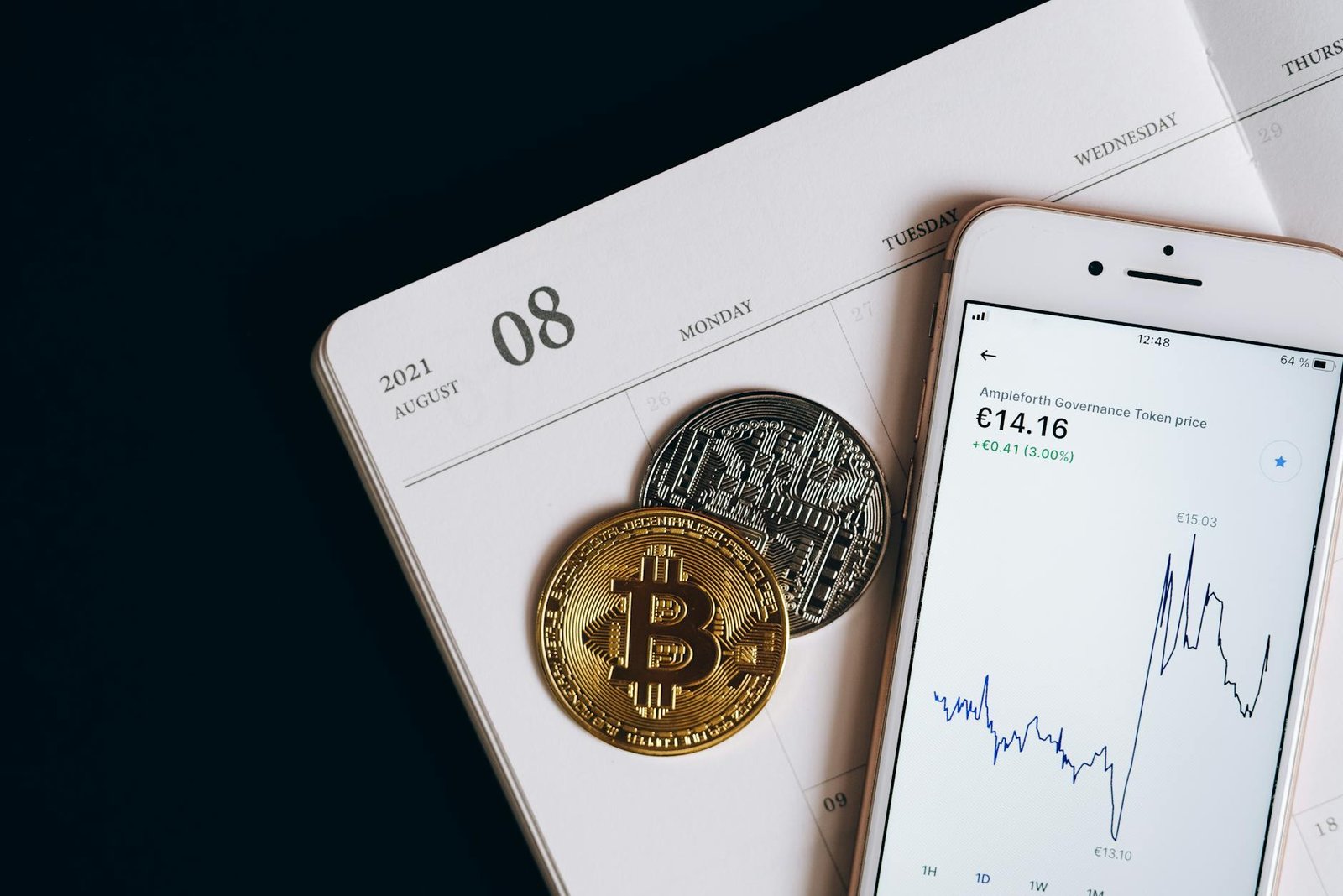
In a striking market shift, Bitcoin (BTC) has surged to an unprecedented $71,000, marking a significant milestone for the world’s leading cryptocurrency, while oil prices have dropped below $80 per barrel. The stark contrast between these two markets highlights the growing appeal of digital assets as traditional commodities face volatility.
Bitcoin’s Ascent
The total crypto market capitalization has risen by 3% to $2.49 trillion, driven largely by Bitcoin’s latest price surge. This upward trend is a testament to the increasing institutional and retail investor confidence in the cryptocurrency ecosystem. Analysts attribute the surge to a combination of factors, including positive regulatory developments, increased adoption by mainstream businesses, and a growing recognition of Bitcoin as a store of value and hedge against inflation.
Oil’s Decline
Conversely, the price of oil has fallen below the $80 mark, reflecting a broader trend of economic uncertainty and shifting energy dynamics. The decline in oil prices is attributed to a combination of reduced demand from key markets and an increase in supply, particularly from OPEC+ countries. This has led to a reevaluation of energy investments and a renewed focus on renewable energy sources.
Market Dynamics and Investor Sentiment
The divergence in the performance of Bitcoin and oil underscores the changing landscape of global financial markets. While traditional commodities like oil are facing headwinds, digital assets are attracting significant interest. This shift is not only driven by technological advancements but also by a growing awareness of the environmental and economic benefits of decentralized finance (DeFi) and blockchain technologies.
Looking Forward
As Bitcoin continues to break new ground, the future of the cryptocurrency market looks promising. However, the volatility of both Bitcoin and oil prices highlights the importance of diversified investment strategies. Investors and analysts alike are closely watching for further regulatory developments and technological innovations that could shape the future of these markets. The ongoing competition between traditional and digital assets is likely to intensify, offering new opportunities and challenges for market participants.
About the Author