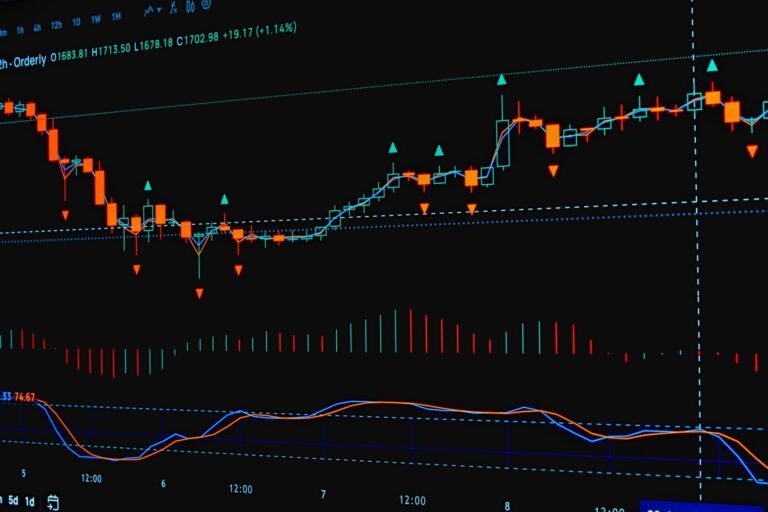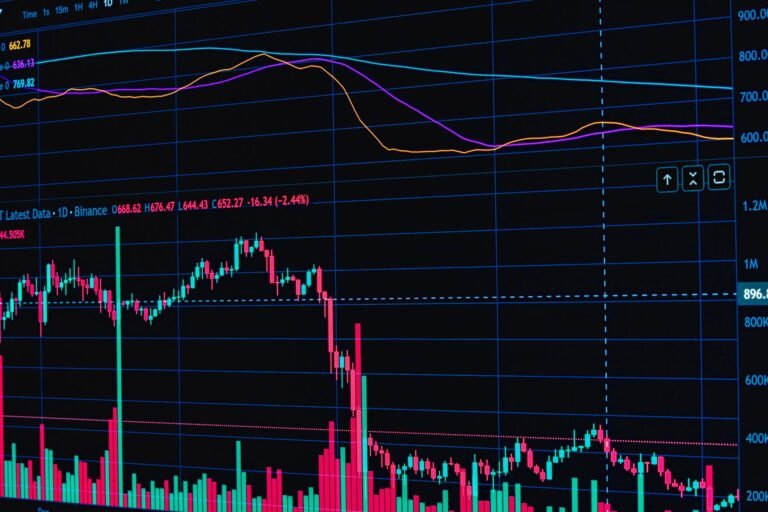
The recent surge in oil prices to a staggering $101 per barrel has set the stage for a potential ripple effect in the cryptocurrency market, particularly for Bitcoin.
Historically, sharp increases in oil prices have often been followed by significant gains in Bitcoin, but the current market dynamics add a layer of complexity. Will Bitcoin follow suit and rally to $79,200 by the end of March? The answer lies at the intersection of geopolitical tensions, economic indicators, and the growing correlation between Bitcoin and tech stocks.
The Oil-Bitcoin Correlation: A Historical Perspective
Over the past few years, there have been notable instances where Bitcoin has responded positively to oil price spikes, albeit with varying degrees of consistency. For example, in June 2025, a 15% weekly increase in West Texas Intermediate (WTI) crude oil prices was initially met with an 8% decline in Bitcoin, but the cryptocurrency managed to rebound and gain 10% over the following four weeks. Similarly, in March 2023, a 16% jump in WTI prices over eight days led to a 12% gain in Bitcoin, though the momentum was short-lived.
Current Market Dynamics
Today, Bitcoin’s performance is more closely tied to the tech sector, as evidenced by its 81% correlation with the Nasdaq 100 index. This shift means that Bitcoin’s sensitivity to oil prices has diminished, making it less likely to follow historical patterns without broader market support. The recent surge in oil prices has already had a significant impact on the S&P 500, which hit a 10-week low on Friday. Bitcoin initially responded positively, with a 16% jump between February 28 and Wednesday, but the gains were quickly erased by Sunday.
Geopolitical Uncertainty and Its Impact
The ongoing tensions between the US, Israel, and Iran add another layer of uncertainty. Persistently high oil prices could exacerbate inflation and negatively impact consumer spending, which could, in turn, affect Bitcoin’s performance. However, if the situation de-escalates and the stock market recovers, Bitcoin could benefit from the bullish momentum. The duration and intensity of the conflict will be crucial in determining whether Bitcoin can achieve a 20% gain, as seen in historical data.
Looking Forward
While the historical data suggests a 20% average gain in Bitcoin over four weeks following a 15% or more increase in WTI prices, the current market conditions are more nuanced. The strong correlation with tech stocks and the broader economic context mean that Bitcoin’s path to $79,200 is not guaranteed. Traders and investors should remain cautious and monitor both geopolitical developments and market trends closely. The next few weeks will be pivotal in determining whether history will repeat itself or if Bitcoin will chart a new course.
About the Author