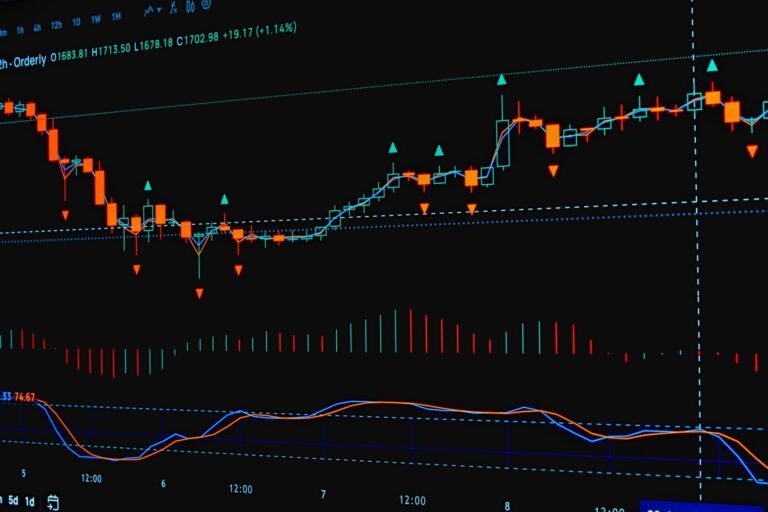
Bitcoin’s recent dip below $70,000 has sparked a wave of bearish sentiment among analysts and investors, driven by escalating tensions with Iran, surging oil prices, and growing inflation concerns. The cryptocurrency, which had previously shown signs of recovery, is now facing significant headwinds that could push it further into bear territory.
Market Sentiment Turns Bearish
The recent volatility in Bitcoin’s price has been attributed to a combination of geopolitical tensions, particularly those involving Iran, and the broader economic backdrop of rising energy costs and inflation. Analysts at major financial institutions, including Goldman Sachs and JPMorgan, have noted a weakening liquidity environment, which is exacerbating the downward pressure on the asset.
Energy Prices and Inflation Concerns
The surge in oil prices, which hit multi-year highs, has fueled inflation fears globally. Higher energy costs not only increase the operational expenses for Bitcoin miners but also contribute to a broader economic environment where inflationary pressures are mounting. This has led to increased scrutiny of Bitcoin’s role as a store of value and its potential to hedge against inflation.
Regulatory Headwinds
Adding to the bearish sentiment, regulatory pressures continue to loom over the cryptocurrency market. Governments and financial regulators worldwide are increasingly focusing on the environmental impact of Bitcoin mining and the potential for regulatory intervention. The U.S. Securities and Exchange Commission (SEC) and the European Union (EU) have both indicated a more stringent approach to crypto regulation, which could further dampen investor confidence.
Looking Ahead
Despite the current bearish outlook, some experts remain cautiously optimistic about Bitcoin’s long-term prospects. They argue that the current market conditions are part of a broader cyclical pattern and that Bitcoin’s underlying technology and use cases remain strong. However, the short-term challenges are significant, and investors are advised to remain vigilant.
In the coming months, the cryptocurrency market will likely be influenced by macroeconomic factors, including central bank policies, inflation data, and geopolitical developments. The ability of Bitcoin to navigate these challenges will be crucial in determining its future trajectory.
About the Author