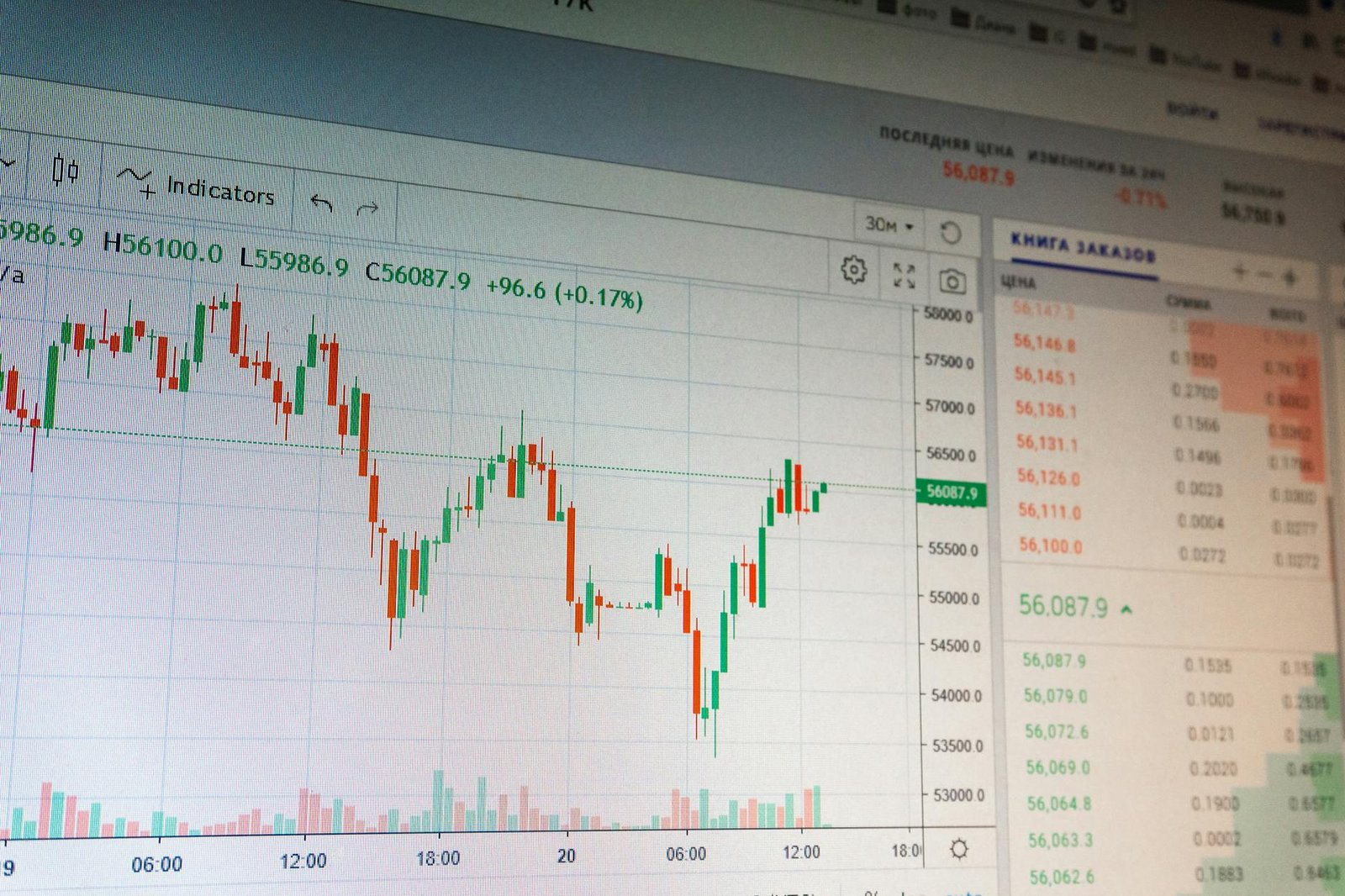
Bitcoin (BTC) has once again triggered a bottom signal that previously preceded a 130% rally in 2024. However, the current market environment is markedly different from that of two years ago, raising questions about the validity of this bullish forecast.
Historical Patterns and Current Signals
Data aggregator Swissblock noted that Bitcoin has now spent 25 consecutive days in its “extreme high risk” zone, the longest stretch on record. This prolonged period in the high-risk zone has historically aligned with late-stage drawdowns or bottom signals. In 2023, the transition from high risk to low risk coincided with the start of a significant bullish expansion.
Technical Indicators Align
Michaël van de Poppe, founder of XMN Capital, pointed to the BTC versus supply in profit/loss chart, which shows the price interacting with levels that have historically marked bottoming phases. However, trader positioning is not yet in sync with an uptrend. RugaResearch noted that 30-day apparent demand continues to fluctuate between positive and negative, indicating a lack of sustained buying pressure.
Macroeconomic Headwinds
Macroeconomic conditions also play a crucial role in Bitcoin’s price movements. Ecoinometrics highlighted that a BTC decline of this magnitude rarely resolves quickly. Excluding the 2020 COVID rally, which was supported by aggressive monetary policy intervention, recoveries from 50% drawdowns have typically taken an extended period.
ETF Flows and Inflation Trends
ETF flow data reinforces a cautious tone. Since August, cumulative inflows into gold ETFs have surpassed spot Bitcoin ETF flows on a 90-day rolling basis. Over the same period, Bitcoin funds have posted negative flows on a 90-day average rolling basis, currently sitting at –$2.06 billion. Inflation trends add further context. The headline Personal Consumption Expenditures (PCE) is near 2.9% year-on-year, with core near 3.0% and core services above 3.4%. The Federal Reserve targets PCE, and the recent trend has not shown a clear downward shift, limiting the potential for liquidity expansion.
Price Levels and Future Outlook
Willy Woo, Managing Partner at CMCC Crest, emphasized that any short-term relief rally to $70,000 to $80,000 is likely to be met with another round of selling pressure, given the bearish broader regime. The $45,000 level aligns with the prior bear market, while $30,000 and $16,000 mark historical support levels tied to longer-term trend preservation.
Conclusion: A Balanced Perspective
While the technical signals suggest a potential bullish inflection point for Bitcoin, the current macroeconomic environment and market dynamics present significant headwinds. Investors should approach the possibility of a 130% rally with caution, recognizing that historical patterns may not perfectly repeat. The path forward is likely to be more nuanced, with a focus on sustained liquidity and macroeconomic stability as key drivers of any sustained uptrend.
About the Author