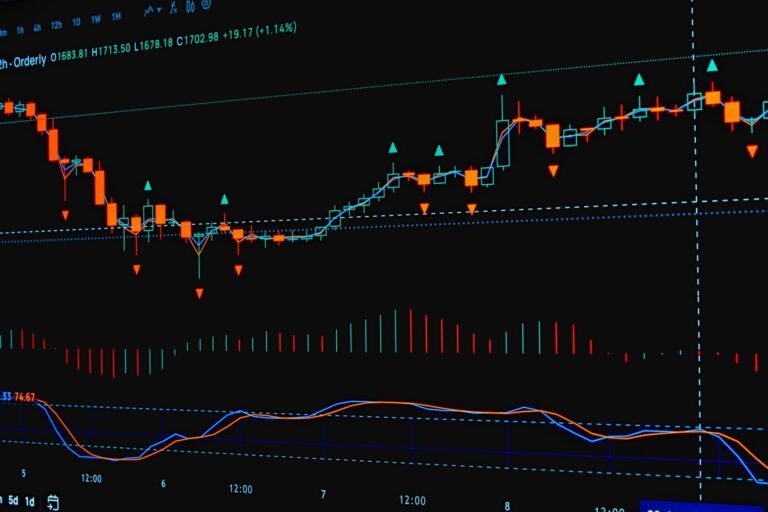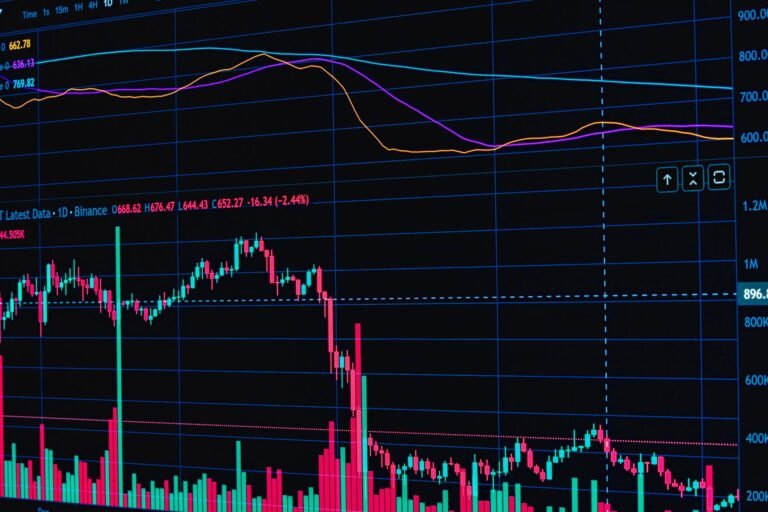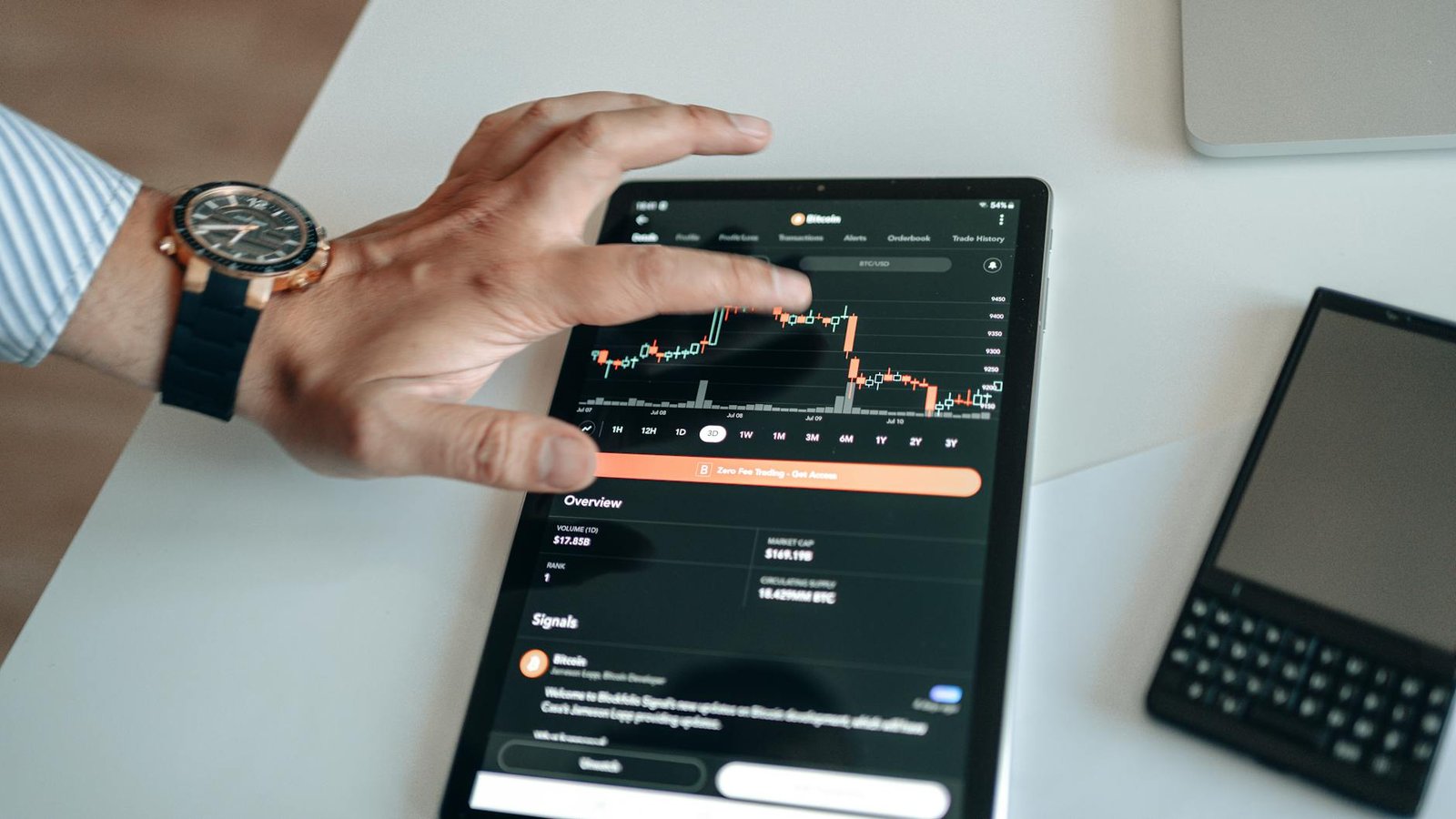
The cryptocurrency market is on edge as Bitcoin (BTC) once again forms a bearish ‘death cross’ on its three-day chart, a signal that hasn’t appeared since June 2022. This technical pattern, which occurs when the 50-period moving average crosses below the 200-period moving average, has historically foreshadowed significant price declines.
A Harbinger of Bearish Times
Historical data suggests that a death cross can lead to an average 35% downturn in Bitcoin’s price over the following months. For instance, in 2022, a death cross on the three-day chart preceded a dramatic 50% slide, with BTC eventually bottoming out around $15,480. Analysts are now warning that BTC could be entering ‘the most brutal part of the bear market,’ with a potential bottom in the $30,000 to $45,000 range.
Despite Bearish Signals, ETFs See Inflows
Despite the ominous technical indicators, US spot Bitcoin ETFs attracted a significant $458.20 million in net inflows on Monday, according to data from Farside Investors. This influx of capital comes amid heightened market volatility following a sharp escalation in the Middle East, where tensions between Iran and the US and Israel have raised concerns about energy prices and supply chain stability.
Geopolitical Turmoil and Bitcoin’s Future
Arthur Hayes, the former CEO of BitMEX, argues that the prolonged geopolitical turmoil in the Middle East could eventually lead to easier monetary policy, which might boost Bitcoin prices. In his recent essay, Hayes posits that the longer the US remains engaged in costly conflicts, the more likely the Federal Reserve is to ‘lower the price and increase the quantity of money,’ potentially benefiting Bitcoin as a hedge against inflation.
Conclusion: Navigating the Bear Market
While the formation of a death cross is a concerning signal for Bitcoin investors, the recent inflows into Bitcoin ETFs suggest that some investors remain bullish on the long-term prospects of the cryptocurrency. As geopolitical tensions continue to simmer, the market’s reaction will be closely watched. For now, investors should remain cautious and monitor both technical indicators and geopolitical developments for further guidance.
About the Author