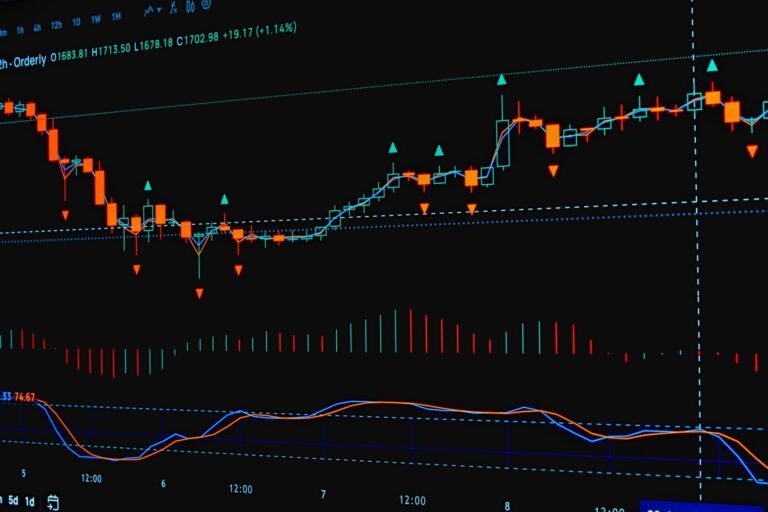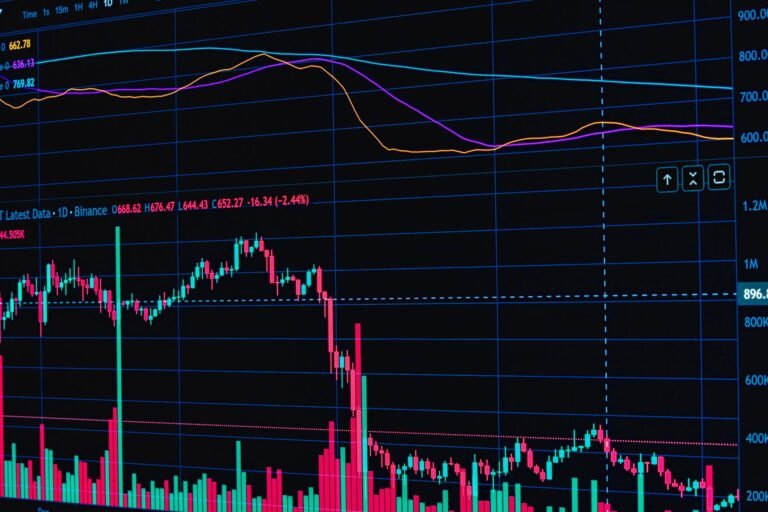
The cryptocurrency market is abuzz with speculation about Bitcoin’s (BTC) next major price movement, and recent data from Binance, the world’s largest crypto exchange, provides some compelling insights.
Bitcoin has been in a tight range between $65,000 and $72,000 since its February decline. However, on-chain and derivatives data from Binance suggest that the next big move could be on the horizon. The cooling of whale deposits, rising BTC withdrawals, and a surge in futures trading are all factors that could influence the direction of BTC’s price.
Whale Activity Cools Down
The Bitcoin exchange whale ratio on Binance, which measures the ten largest inflows relative to total exchange deposits, spiked above 0.60 in early February, indicating strong selling pressure from whales. Since then, the 14-day moving average has settled closer to 0.45, a level consistent with 2024 and 2025 trends. This decline suggests that fewer large sell-side transfers are entering Binance, which could signal a shift in market sentiment.
Crypto analyst CW noted that some whales may still be accumulating. The Cumulative Volume Delta (CVD) indicator, which tracks the net difference between aggressive market buys and sells, shows persistent whale buying during the recent consolidation phase. Higher CVD readings during sideways price movements can indicate that larger participants are absorbing supply without allowing the price to surge too quickly.
Increased BTC Withdrawals and Futures Dominance
The exchange netflow on Binance has also changed significantly since mid-February. The 14-day moving average of the netflow has moved deeper into negative territory, reaching -1,151 BTC on March 11. This sustained wave of Bitcoin withdrawals from the platform indicates that more BTC is leaving the exchange, potentially reducing the immediate supply available for selling.
Concurrently, derivatives activity on Binance has expanded. The futures-to-spot trading volume ratio has climbed to about 5.3, its highest level since October 2023. This suggests that traders are increasingly using leverage and bracing for potential price volatility. Higher futures activity can be a double-edged sword, as it can amplify both upward and downward price movements.
Spot Demand Shows Strength
Despite the increased futures activity, spot demand appears to be holding strong. Coinbase research indicates that the spent output profit ratio (SOPR) for short-term holders has turned higher since late February. This metric, which measures the profitability of recently spent coins, suggests that recent demand has been robust enough to absorb selling pressure from newer traders. This has helped stabilize the BTC price in the current range.
However, the current consolidation phase is critical. If Bitcoin can solidify the $70,000 level as support, it could set the stage for a sharper repricing. Conversely, failure to break the $72,000 resistance over the next few days or weeks could confirm a bull trap and trigger a further decline.
Forward-Looking Insights
The interplay between whale activity, exchange flows, and derivatives trading on Binance is providing valuable clues about Bitcoin’s future direction. While the market remains volatile, the data suggests that the next significant move could be influenced by these key indicators. Investors and traders should stay vigilant and monitor these metrics closely as the market continues to evolve.
About the Author