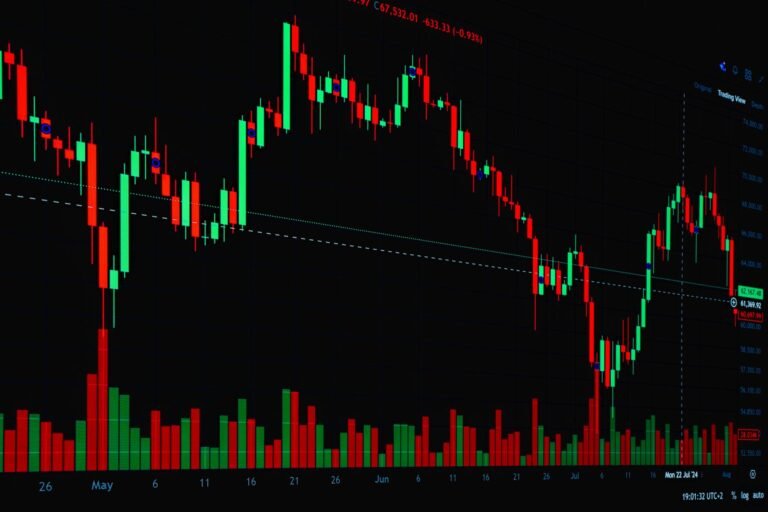
With just two weeks left in the first quarter of 2026, the cryptocurrency market has already seen a staggering decline, shedding $540 billion since the start of the year. The sector, which has been on a rollercoaster of volatility, is now grappling with significant pullbacks from its all-time highs (ATHs), particularly affecting major assets like Bitcoin and Ethereum.
The Decline of Major Cryptocurrencies
Bitcoin, the flagship cryptocurrency, is currently trading over 40% below its record high, reflecting a broader market sentiment that has turned bearish. Ethereum, the second-largest crypto by market cap, has also suffered significant losses, though its decline is slightly less pronounced compared to Bitcoin. The pullback from ATHs has raised concerns among investors and analysts about the long-term sustainability of the crypto market.
Factors Driving the Decline
Several factors have contributed to the crypto market’s downturn. Regulatory scrutiny, macroeconomic headwinds, and a general risk-off sentiment in financial markets have all played a role. Central banks around the world, particularly in the United States and Europe, have tightened monetary policies, leading to higher interest rates and reduced liquidity. This has made traditional assets more attractive, drawing capital away from riskier investments like cryptocurrencies.
Market Sentiment and Investor Behavior
Investor sentiment has shifted from optimism to caution, with many retail investors exiting the market or reducing their exposure to crypto assets. Institutional investors, who have been increasingly active in the crypto space, are also reassessing their positions. The volatility has led to a reevaluation of the risk-reward profile of cryptocurrencies, with many investors adopting a more conservative approach.
Looking Forward: What’s Next for Crypto?
Despite the current downturn, some experts remain bullish on the long-term prospects of the crypto market. They argue that the recent pullback is a natural correction after a period of rapid growth and that the underlying technology and use cases for cryptocurrencies remain strong. The focus is now on regulatory clarity, technological advancements, and the development of new applications that can drive adoption and value.
As the first quarter of 2026 draws to a close, the crypto community is closely monitoring market trends and regulatory developments. The next few months will be crucial in determining whether the current decline is a temporary setback or a more significant shift in the market’s trajectory. For now, investors are advised to remain cautious and stay informed about the latest developments in the crypto space.
About the Author