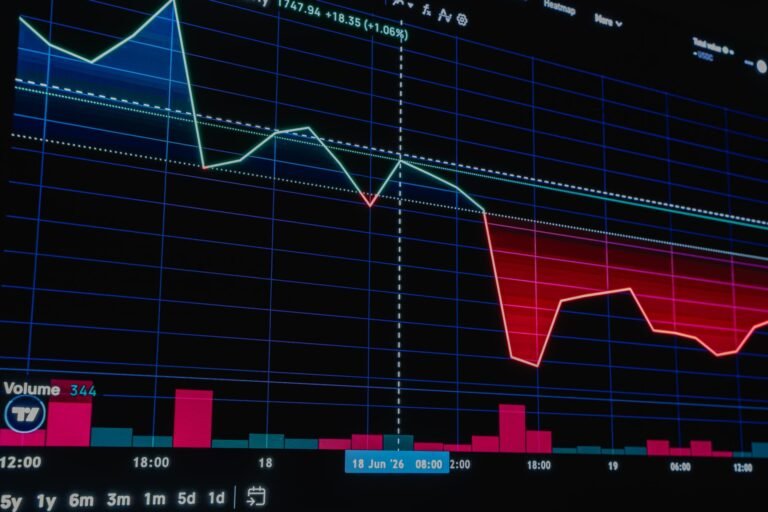
Amid escalating geopolitical tensions between the United States and Iran, crypto markets have shown remarkable resilience, with Bitcoin and other major cryptocurrencies holding steady despite the volatility. The U.S. strikes on Iranian targets over the weekend triggered approximately $300 million in liquidations, yet the broader market has managed to stay within a familiar range.
Iranian Crypto Outflows Spike
While the global crypto market has maintained its composure, there has been a notable surge in crypto outflows from Iran. According to data from Chainalysis, Iranian crypto outflows have surged by 700% as the country faces increased geopolitical risks and rising oil prices. This spike in outflows suggests that Iranian individuals and entities are seeking safer havens for their assets, turning to cryptocurrencies as a means of preserving value and ensuring liquidity.
Markets Steady Despite Strait of Hormuz Threat
The stability of crypto markets is particularly noteworthy given the strategic importance of the Strait of Hormuz, a critical maritime chokepoint through which a significant portion of the world’s oil supply passes. The threat of disruption to this vital shipping route has driven crude oil prices to a one-year high, adding to the economic and geopolitical uncertainties in the region.
Despite these challenges, the crypto market has demonstrated a level of maturity and resilience that was not as evident in previous geopolitical events. This stability can be attributed to several factors, including the growing institutional adoption of cryptocurrencies, improved market infrastructure, and a more sophisticated investor base that is better equipped to navigate volatile conditions.
Expert Analysis: The Role of Cryptocurrencies in Geopolitical Risk Management
Experts in the crypto space are increasingly recognizing the role that cryptocurrencies can play in managing geopolitical risks. Dr. Adam Back, the co-founder of Blockstream, noted that the recent events highlight the importance of decentralized financial systems in providing alternative pathways for capital movement and asset preservation.
“The resilience of the crypto market in the face of geopolitical tensions underscores its value as a hedge against traditional financial systems. As we see more countries and individuals turning to cryptocurrencies, the case for decentralized finance becomes even stronger,” Dr. Back said.
Similarly, Anthony Pompliano, a prominent crypto investor and co-founder of Pomp Investments, emphasized the long-term potential of cryptocurrencies as a store of value and a means of financial sovereignty. “The recent surge in Iranian crypto outflows is a clear indication that people are looking for alternatives to traditional banking systems, especially in times of crisis. This trend is likely to continue as more individuals and institutions recognize the benefits of digital assets,” Pompliano added.
Looking Ahead: The Future of Crypto in Geopolitical Uncertainty
As geopolitical tensions continue to simmer, the role of cryptocurrencies in providing financial stability and security is likely to become even more prominent. The recent events have not only tested the resilience of the crypto market but have also demonstrated its potential as a tool for managing and mitigating the economic impacts of geopolitical risks.
For investors and policymakers alike, the current situation offers valuable insights into the future of decentralized finance. As the global financial landscape evolves, the integration of cryptocurrencies into mainstream financial systems may become increasingly necessary to ensure the stability and resilience of the global economy.
About the Author