


Written by William Subergstaff writerEdited by Ana Paula Pereirastaff editor
Written by William Subergstaff writerEdited by Ana Paula Pereirastaff editorCrypto on notice as hawkish Fed risks December ‘meltdown’
Economist Robin Brooks warned of dire consequences for stocks if the Federal Reserve fails to deliver dovish cues before the FOMC blackout period.
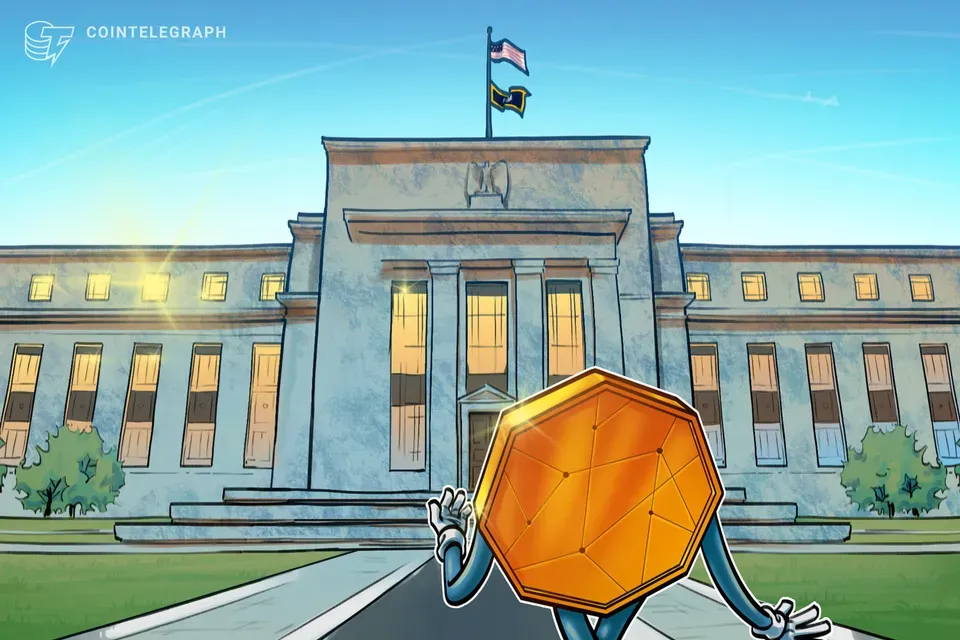
Risk assets could face a “full meltdown” within the next two weeks if the US Federal Reserve maintains its hawkish policy outlook, analysis warns.
Key points:
- The Federal Reserve’s hawkish monetary policy could trigger a “full meltdown” in risk assets before its December interest rate decision, economist Robin Brooks warned.
- WTI crude oil fell to $79.25 per barrel, its lowest level since Aug. 10, while the US Dollar Index (DXY) hit a nine-month high of 104.5 on Monday.
- Market stress could ultimately prompt the Fed to leave interest rates unchanged despite widespread expectations of a 25-basis-point hike.
Risk-asset “full meltdown” puts Fed rate hike in doubt
Economist Robin Brooks, a senior fellow at the Brookings Institution and former chief foreign exchange (FX) strategist at Goldman Sachs, forecast Wednesday that the US central bank could ultimately abandon its widely expected 25-basis-point interest rate hike in December.
Despite falling oil prices and US dollar strength rising, the Fed has maintained a hawkish stance on future policy moves, signaling that interest rates may need to rise and remain elevated.
Last week, Federal Reserve Gov. Christopher Waller said that the central bank may need to “shock” markets with a 50-basis-point rate hike to curb price increases being passed on to consumers by business.
US WTI crude oil fell below $80 per barrel for the first time since Aug. 10 this week.
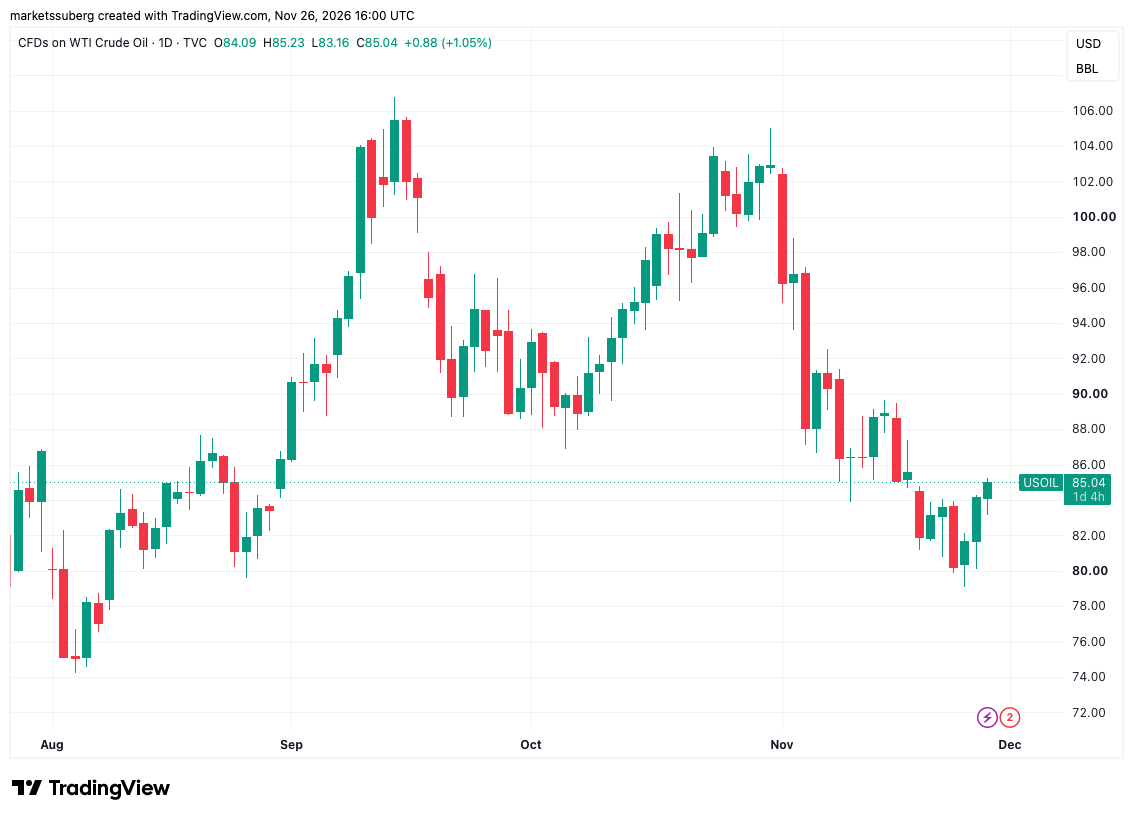
CFDs on WTI crude oil one-day chart. Source: Cointelegraph/TradingView
For Brooks, tightening policy amid falling oil markets is an “error” that spells acute pain for stocks and the broader risk-asset cohort by driving up real interest rates. “I’ve been banging the drum that markets are heading for full meltdown because the Fed is hiking into falling oil prices, a policy error that’s giving us a super-charged rise in real rates,” he wrote.
“That’s causing the Dollar to rise sharply versus emerging markets as this particular carry trade unwinds in chaotic fashion.”
On Nov. 28, the second Saturday preceding the Dec. 8-9 meeting of the Federal Open Market Committee (FOMC), at which a decision on monetary policy, including the federal funds rate, will be announced, the Fed’s “blackout” period begins. During blackouts, FOMC participants cannot give interviews or otherwise speak in public on monetary policy and macroeconomic developments.
Brooks argues that without efforts to calm markets before the blackout period, selling pressure on risk assets could intensify.
“That’ll bring a full meltdown in markets and we’ll end up not getting a hike on December 9. Unfortunately, this is the path we’re on,” he continued.
Markets see negligible chance of surprise hike pause
The upheaval intensified on Monday, as the US Dollar Index – a measure of the dollar’s strength against a basket of major currencies – hit 104.5, its highest level since March. It has remained above 100 since mid-September.
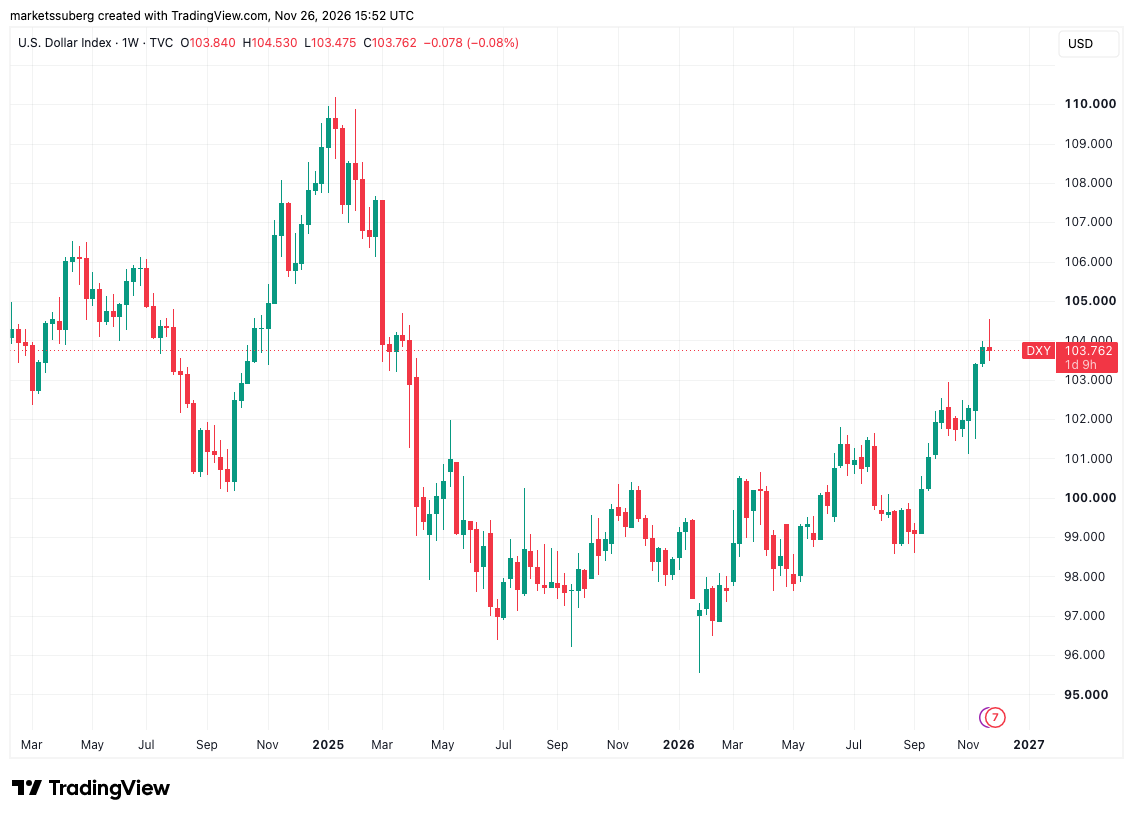
US Dollar Index one-week chart. Source: Cointelegraph/TradingView
At the same time, US stock markets continue to deal with compounding sell-side pressure. On Friday, the S&P 500 fell to 6,882 points, a level last seen in mid-April.
Brooks noted that even Nvidia’s reinstatement of CEO Jensen Huang failed to lift investor sentiment. Beyond stocks, meanwhile, gold saw its worst 60-day sell-off in over 40 years.
“It seems increasingly likely that we go into this without a dovish pivot, in which case the wheels might really start coming off in markets,” he concluded.
“If that’s where we’re headed, we might well end up with no hike on December 9 as markets go full meltdown.”
The latest data from CME FedWatch shows that markets still overwhelmingly expect a 25-basis-point rate hike in December. As of Thursday, the probability of the Fed keeping its target rate unchanged at 3.75% to 4% stood at just 0.5%.
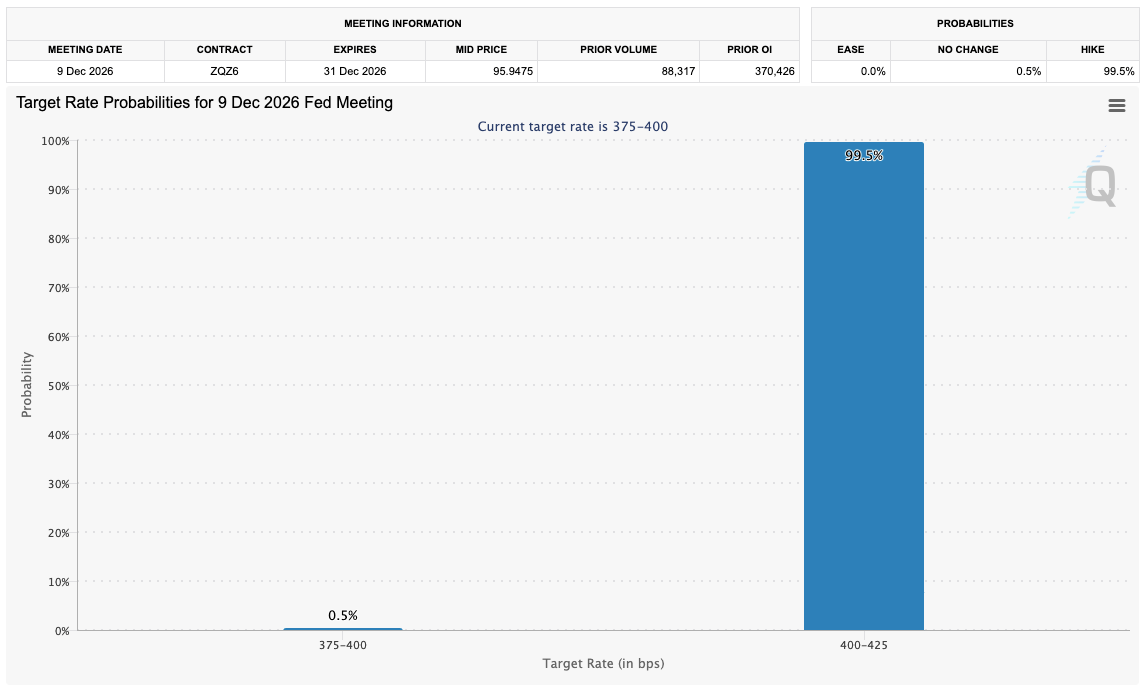
Fed target-rate probabilities for Dec. 8-9 FOMC meeting. Source: CME Group
Get weekly analysis of crypto markets, price trends and the forces driving them.
More on the subject
About the Author