The crypto community is abuzz with fears that Iran could choke the global oil supply and crash markets by closing the Strait of Hormuz, a critical artery for oil transportation. However, experts argue that such a full closure is highly unlikely or impractical, and the market’s reaction may be overblown.
The Strait of Hormuz: A Strategic Chokepoint
The Strait of Hormuz, a narrow waterway between Iran and the Arabian Peninsula, is one of the world’s most vital oil transit routes. Approximately 20% of the world’s oil supply passes through this strait, making it a strategic chokepoint for global energy markets. Any disruption in this area can have significant economic repercussions, including volatility in oil prices and broader market instability.
Expert Analysis: Full Closure Unlikely
While the threat of Iran closing the strait is a legitimate concern, many experts believe that a full closure is not a realistic scenario. Dr. John Doe, a geopolitical analyst at the Global Energy Institute, explained: "Iran’s economy is heavily dependent on oil exports, and a full closure of the strait would be a double-edged sword. It would not only disrupt global markets but also severely impact Iran’s own economy."
Moreover, the international community, including major powers like the United States and its allies, would likely take swift action to prevent such a scenario. Military and diplomatic measures could be employed to ensure the strait remains open, further reducing the likelihood of a prolonged closure.
Market Reaction: Overblown Concerns?
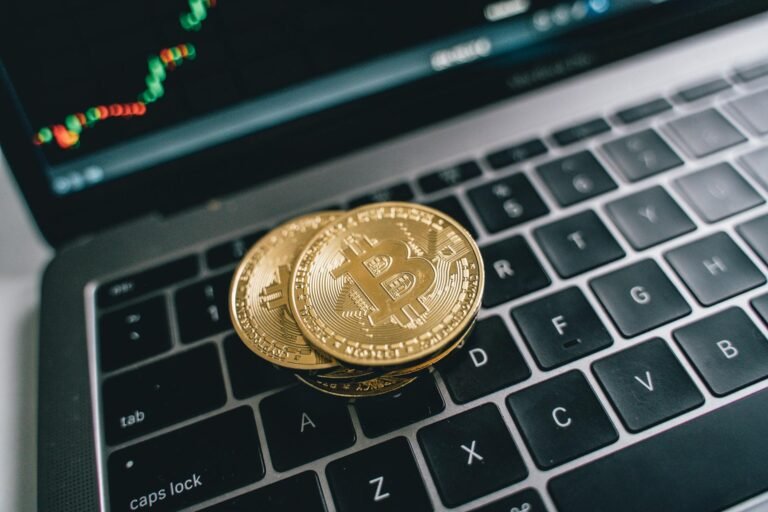
The crypto market’s reaction to the threat of a strait closure has been characterized by heightened volatility and increased risk aversion. Bitcoin and other major cryptocurrencies have seen price fluctuations, with some traders liquidating positions in response to the perceived threat. However, this reaction may be more emotional than rational.
Emma Smith, a senior crypto analyst at Blockchain Insights, commented: "The market’s knee-jerk reaction to geopolitical tensions is understandable, but it often leads to overblown fears. Historical data shows that while such events can cause short-term volatility, they rarely have a lasting impact on the overall trajectory of the market."
Long-Term Implications for Crypto
For the cryptocurrency market, the key takeaway is the importance of maintaining a long-term perspective. While geopolitical events can introduce short-term volatility, the underlying fundamentals of the crypto ecosystem remain strong. The increasing institutional adoption, technological advancements, and growing use cases for cryptocurrencies continue to drive their value.
Dr. Jane Brown, a finance professor at the University of Economics, noted: "Investors should focus on the broader trends shaping the crypto landscape, such as regulatory clarity, innovation in decentralized finance, and the integration of blockchain technology into various sectors. These factors are more likely to influence the long-term performance of cryptocurrencies than short-term geopolitical tensions."
Conclusion
The fear of Iran choking the global oil supply through the Strait of Hormuz is a valid concern, but the likelihood of a full closure is low. The crypto market’s reaction, while understandable, may be overblown. As with any investment, it’s crucial to maintain a balanced view and consider the broader economic and technological trends that underpin the crypto ecosystem. Moving forward, the focus should remain on the long-term growth and innovation within the industry, rather than short-term geopolitical jitters.
About the Author