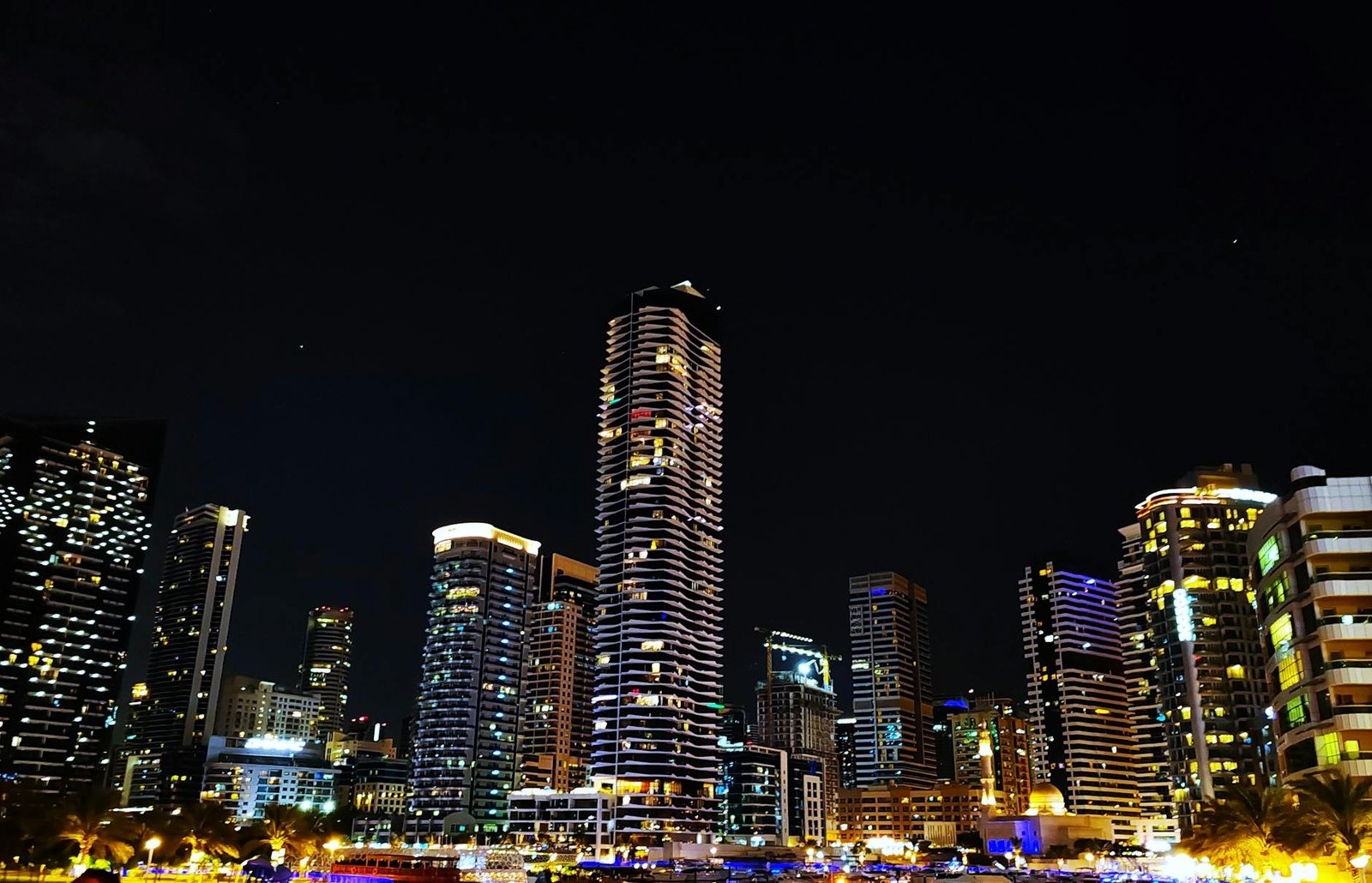
The emirate of Dubai and the island nation of the Maldives are pushing the boundaries of real estate innovation through the tokenization of property assets, a move that could redefine global investment landscapes and property markets.
On Friday, the Dubai Land Department (DLD) announced the launch of the second phase of its real estate tokenization pilot program. This follows the successful tokenization of approximately $5 million worth of real estate in the city, resulting in the issuance of about 7.8 million tokens. The tokens, which represent fractional ownership in real estate, can now be resold on secondary markets, opening up new avenues for liquidity and investment.
Dubai’s Vision for Tokenized Real Estate
The tokenization infrastructure for this pilot is being managed by Ctr Alt, a Virtual Asset Service Provider (VASP) licensed in Dubai. Ctr Alt will issue “Asset-Referenced Virtual Asset management tokens” to facilitate the seamless transfer of real estate tokens on secondary markets. All on-chain transactions will be recorded on the XRP Ledger, ensuring transparency and security through Ripple Custody.
According to the DLD, the tokenization project could contribute a significant $16 billion to Dubai’s real estate market by 2033, representing about 7% of the jurisdiction’s total property transactions. This ambitious forecast underscores Dubai’s commitment to becoming a global hub for blockchain and cryptocurrency innovation.
Maldives Embraces Tokenization with Trump-Backed Resort
In a parallel development, the Maldives is also venturing into the world of tokenized real estate. DarGlobal, a real estate development company, and World Liberty Financial, a crypto firm backed by former U.S. President Donald Trump and his sons, have announced plans to tokenize the development phase of a Trump-branded resort in the Maldives.
The tokenization deal, facilitated by the financial technology company Securitize, is expected to democratize investment in high-end real estate projects. Ziad El Chaar, CEO of DarGlobal, emphasized the potential of tokenization to attract a broader range of investors who might not have had access to such opportunities before.
“Tokenization will open the door to many more investors, who would like to take part in investing in real estate but don’t have access today,” El Chaar told Cointelegraph.
The announcement was made at a crypto-aligned event at Trump’s Mar-a-Lago property, where attendees included top figures from traditional finance and the crypto industry, such as Goldman Sachs CEO David Solomon and Coinbase CEO Brian Armstrong. The presence of such influential stakeholders highlights the growing intersection between traditional and decentralized finance.
Global Implications and Future Prospects
The initiatives in Dubai and the Maldives are part of a broader trend toward the tokenization of real-world assets (RWAs). These projects could serve as models for other jurisdictions looking to leverage blockchain technology to enhance transparency, liquidity, and accessibility in their real estate markets.
Experts predict that tokenization could disrupt traditional real estate investment models, making it easier for small investors to participate in high-value projects. However, regulatory frameworks will need to evolve to support these innovations and protect investors. As more countries and companies explore tokenization, the global real estate market could become more interconnected and dynamic.
Looking ahead, the success of these tokenization projects in Dubai and the Maldives could set a new standard for real estate investment, paving the way for a more inclusive and efficient global market.
About the Author