Dutch Prosecutors Raise $2.55M From Crypto Tied to Bankrupt Knaken
A court-appointed trustee warns that the 6,300 customers of the bankrupt Dutch crypto platform Knaken face severe financial losses, as prosecutors have recovered only $2.55 million after selling seized cryptocurrency.

Key Takeaways
- Dutch prosecutors liquidated Knaken’s remaining crypto assets, raising $2.55 million for 6,300 victims.
- Unregistered operations and missing funds at Knaken led to regulatory scrutiny from DNB and the AFM.
- Trustee Carl Hamm is auditing Knaken’s finances to determine recovery terms for 6,300 victims.
Discrepancy Between Deposits and Assets
Dutch prosecutors have liquidated all remaining cryptocurrency assets held by bankrupt trading platform Knaken, raising $2.55 million to pay creditors, officials confirmed. However, the court-appointed bankruptcy trustee warned that the platform’s 6,300 affected customers are likely to recover only a fraction of their investments.
Carl Hamm, the bankruptcy trustee overseeing the Rotterdam-based company, reported that clients invested between $11.6 million and $13.9 million through Knaken before the district court declared the firm bankrupt on July 16. The financial collapse has left retail investors, noteholders, and lenders facing severe shortfalls.
“We have written to everyone who held a position with Knaken in the recent past,” Hamm said in an interview.
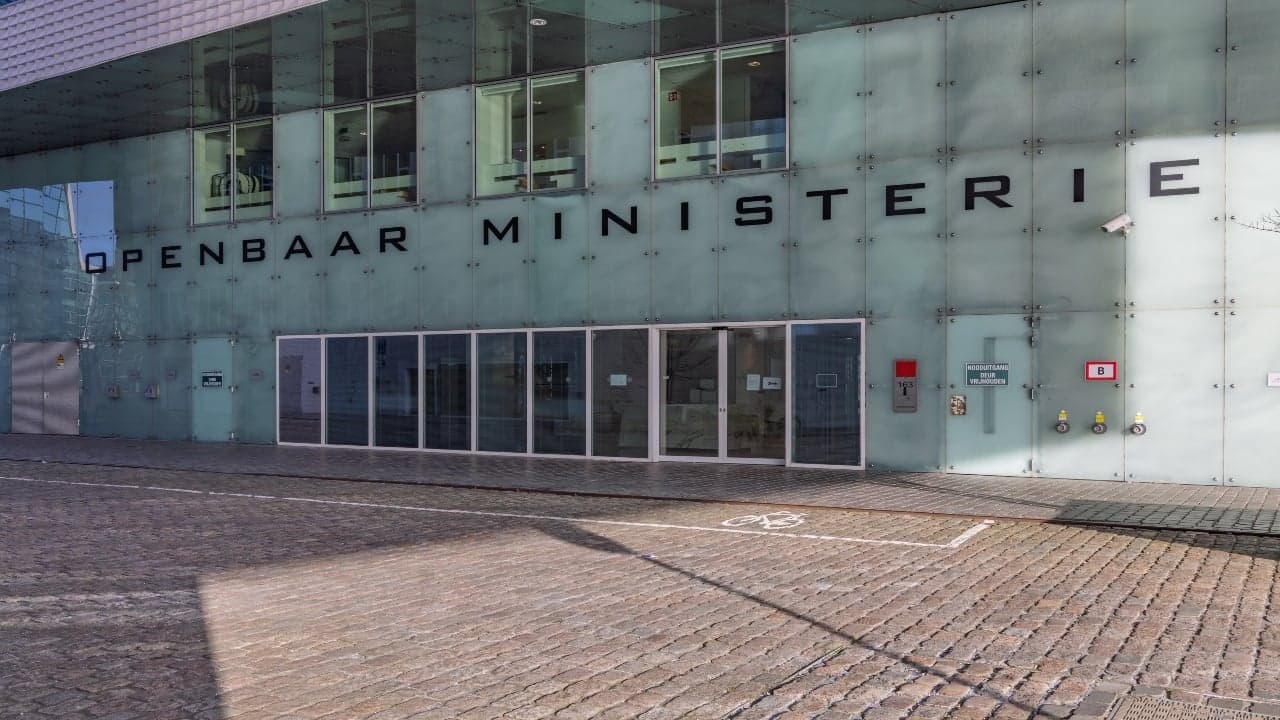
The Dutch Public Prosecution Service and the trustee are conducting parallel investigations into the handling of customer funds. According to victims who spoke with local broadcaster Rijnmond, Knaken promised individualized user accounts and digital wallets accessible via a mobile application. Customers were shown real-time tracking of their fiat deposits and corresponding cryptocurrency valuations, alongside a digital vault advertised for savings.
However, insolvency proceedings suggest the platform operated with significant structural deficits rather than maintaining full backing for user deposits.
“It appears that did not happen. There is a large gap between what was invested and the cryptocurrency on deposit,” Hamm said. “Investments and normal operating expenses were commingled into a single account for a long time, resulting in substantial losses.”
Court records from the bankruptcy hearing reveal that Knaken owner and managing director Ronald J. transferred $2.67 million from company accounts to a private entity he owned. The court characterized the transaction as “a form of conflict of interest.”
Insolvency documents indicate that Knaken’s financial troubles began as early as 2020 following an alleged security breach involving 23 bitcoins. Ronald J. claimed the incident resulted in millions in losses; however, historical market prices show 23 bitcoins were worth approximately $162,000 at the time, contradicting claims of a multi-million-dollar loss from the hack alone.
Despite mounting financial distress, Knaken continued expanding its customer base and pursued high-profile sponsorship agreements with major Dutch professional football clubs, including Feyenoord, Sparta Rotterdam, Heracles Almelo, SC Heerenveen, and briefly Ajax.
The platform also continued issuing participation certificates and soliciting customer loans without disclosing its financial distress to the Dutch central bank.
“When clubs partner with a party like that, you assume everything is legitimate. It turns out it wasn’t. I think it is truly disgraceful,” said Henk, a Knaken client who reportedly first flagged platform irregularities in late May.
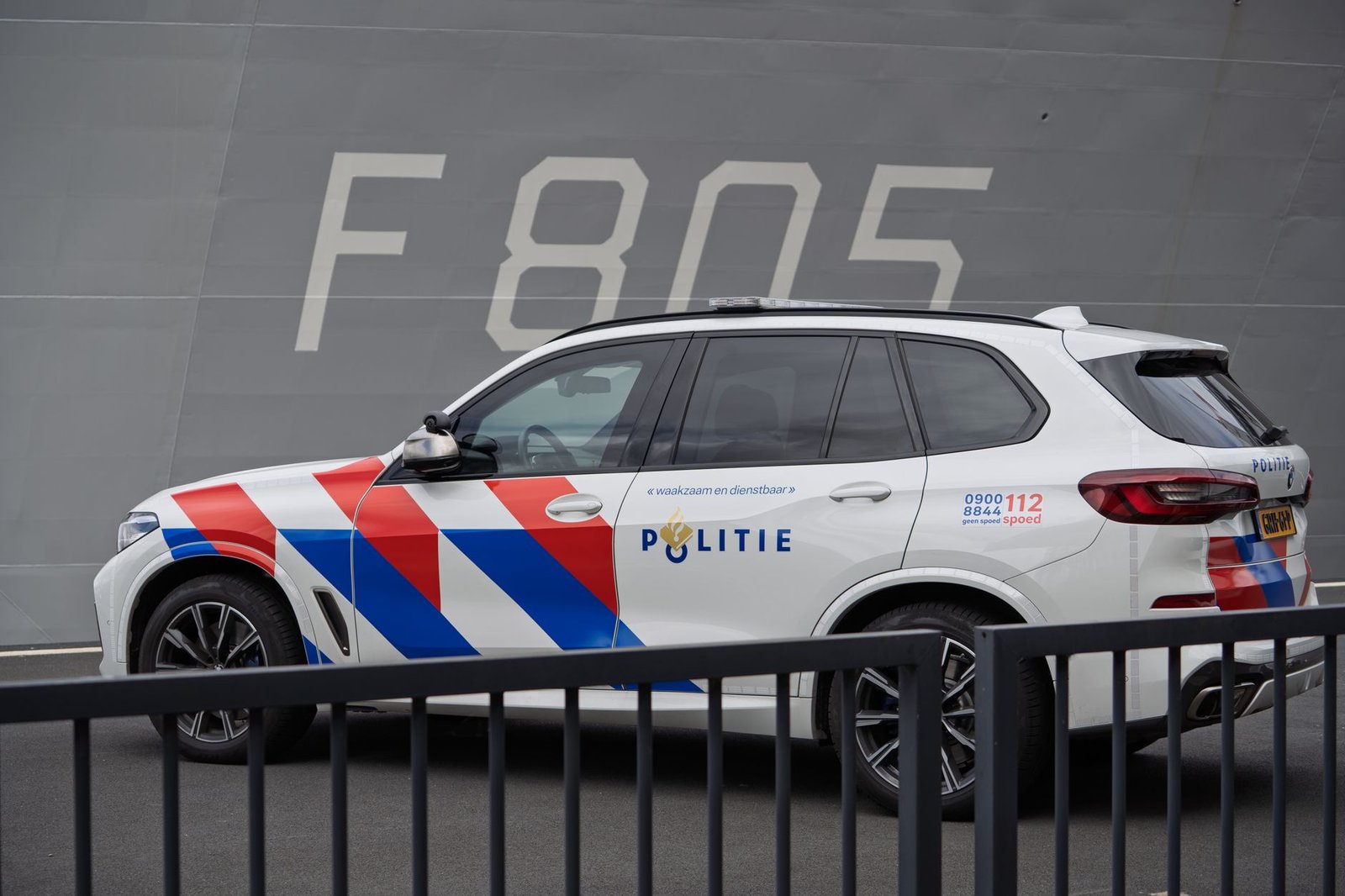
Before the bankruptcy declaration, Dutch law enforcement seized and sold Knaken’s remaining cryptocurrency reserves under Article 117 of the Dutch Code of Criminal Procedure, which permits the liquidation of seized assets subject to rapid depreciation.
The sale generated $2.55 million, currently the sole liquid asset in the bankruptcy estate. Legal counsel representing victims questioned whether law enforcement exceeded its authority by liquidating customer assets, drawing comparisons to a garage selling a customer’s vehicle during corporate bankruptcy.
Director Pushes Back and Seeks Settlement
Trustee Hamm defended the prosecution’s decision, noting the extreme volatility of crypto assets. “Imagine if those currencies had not been sold and had lost value,” Hamm said. “The deficit would have been even greater.”
Regarding regulatory supervision, Dutch central bank officials confirmed that during the period in question, the bank’s mandate was strictly limited to integrity oversight—focusing on anti-money laundering and counter-terrorist financing—rather than prudential financial stability. Primary oversight was subsequently transferred to the Authority for the Financial Markets during the 2024–2025 regulatory transition.
Meanwhile, in a detailed response, Knaken Director Ronald J. disputed key assertions made by the trustee while acknowledging an overall asset shortfall. He disputed the figures cited by Hamm, explaining that Knaken functioned as an execution-only broker connecting orders directly to liquidity providers.
“Every order placed through Knaken was executed with our liquidity provider and bears an order ID with executed price levels and timestamps,” J. said, asserting that trade logs are complete and verifiable against customer account entries.
Addressing allegations of fund commingling, J. stated that separate banking structures were instituted. According to J., Knaken introduced a dedicated client IBAN in November 2022 and transitioned incoming client funds to a separate foundation account starting in 2025. He maintained that positions in the majority of the 145 cryptocurrencies offered were fully backed, though he acknowledged that a portion remained unbacked.
Regarding the $2.67 million transfer to a secondary private entity, J. argued the structure was established specifically for marketing purposes to avoid operational overlap and comply with regulatory guidelines. Financial records provided by J. to local media indicated no personal enrichment or direct salary draw from those funds. He added that investors holding certificates in goSettle B.V. retain equity in an entity outside the bankruptcy estate.
Ronald J. confirmed he is actively formulating a composition plan for creditors to accelerate settlement. “I still want to do what I intended: offer customers a proposal that they will hopefully accept,” J. said. Trustee Hamm noted that while formal claims are currently being filed, the feasibility of any proposed settlement remains under evaluation.



Tags in this story
About the Author