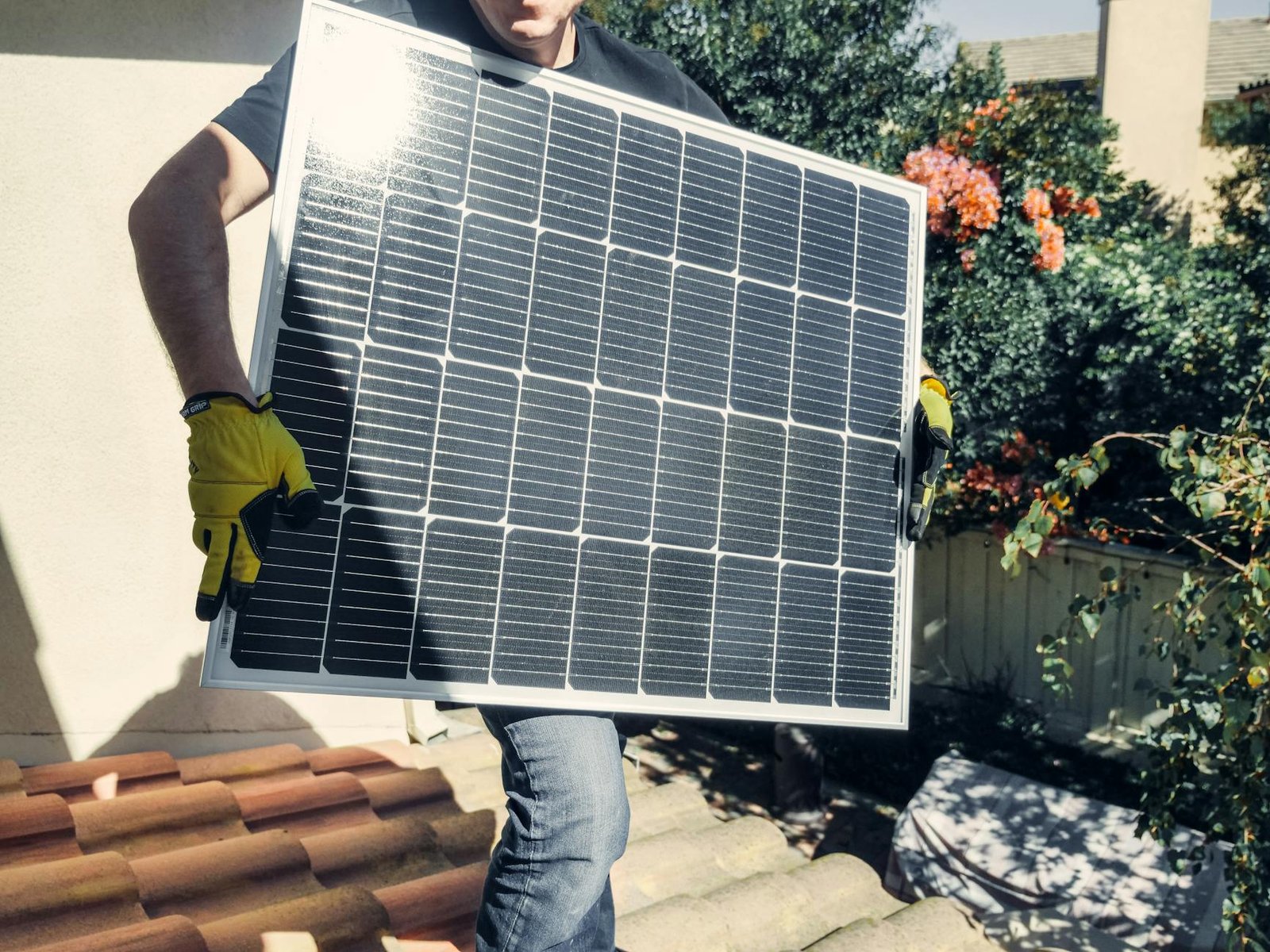
French energy giant Engie is eyeing innovative solutions to mitigate financial losses at its new Assu Sol solar plant in Brazil.
The company, which is 33.20% controlled by the French government, is considering the installation of battery storage systems or bitcoin mining data centers at the 895-megawatt-peak facility, according to Eduardo Sattamini, Engie’s country manager in Brazil. This move comes as the plant faces significant curtailment issues, a growing challenge for renewable energy operators in Brazil.
Challenges in Brazil’s Renewable Energy Sector
Located in Brazil’s northeast, the Assu Sol solar plant entered full commercial operation this month but has already been hit by grid-imposed curtailments. These restrictions, designed to stabilize Brazil’s power system, force renewable plants to scale back output when supply exceeds demand. Since 2023, the rapid expansion of renewable capacity, coupled with sluggish demand growth and transmission bottlenecks, has led to billions of reais in lost revenue across the sector.
Exploring Bitcoin Mining and Battery Storage
To address these challenges, Engie is exploring the installation of on-site battery storage systems or hosting energy-intensive data centers dedicated to bitcoin mining. The strategy would convert otherwise stranded power into a monetizable asset, helping to offset the financial impact of curtailment. However, Sattamini noted that any such initiative would take years to materialize, emphasizing, “That’s not coming next month. It will take a couple of years for us to implement.”
Shifting Trends in the Bitcoin Mining Industry
Engie’s exploration of bitcoin mining aligns with a broader trend in the industry. As margins tighten and block subsidies trend toward zero, many bitcoin miners are pivoting to artificial intelligence (AI). Data centers originally built for ASIC-powered SHA-256 hashing are being retrofitted to host high-performance GPUs optimized for AI training and inference workloads.
Large operators are leading this shift. Bitfarms, for example, has publicly outlined plans to wind down its Bitcoin mining operations by 2026–27 and convert its Washington State facility into an AI-ready GPU-as-a-Service hub, backed by a $128 million upgrade deal. Other mining firms like IREN have secured multibillion-dollar GPU cloud agreements with major tech partners like Microsoft, signaling the potential for traditional mining power capacity to be redeployed into stable, contracted AI compute revenue.
Forward-Looking Insight
Engie’s innovative approach to addressing curtailment losses at the Assu Sol plant highlights the evolving landscape of renewable energy and its intersection with emerging technologies. As the energy sector continues to grapple with the challenges of integrating large-scale renewable projects, the integration of battery storage and bitcoin mining represents a promising avenue for improving project economics and ensuring the long-term sustainability of renewable energy initiatives.
About the Author