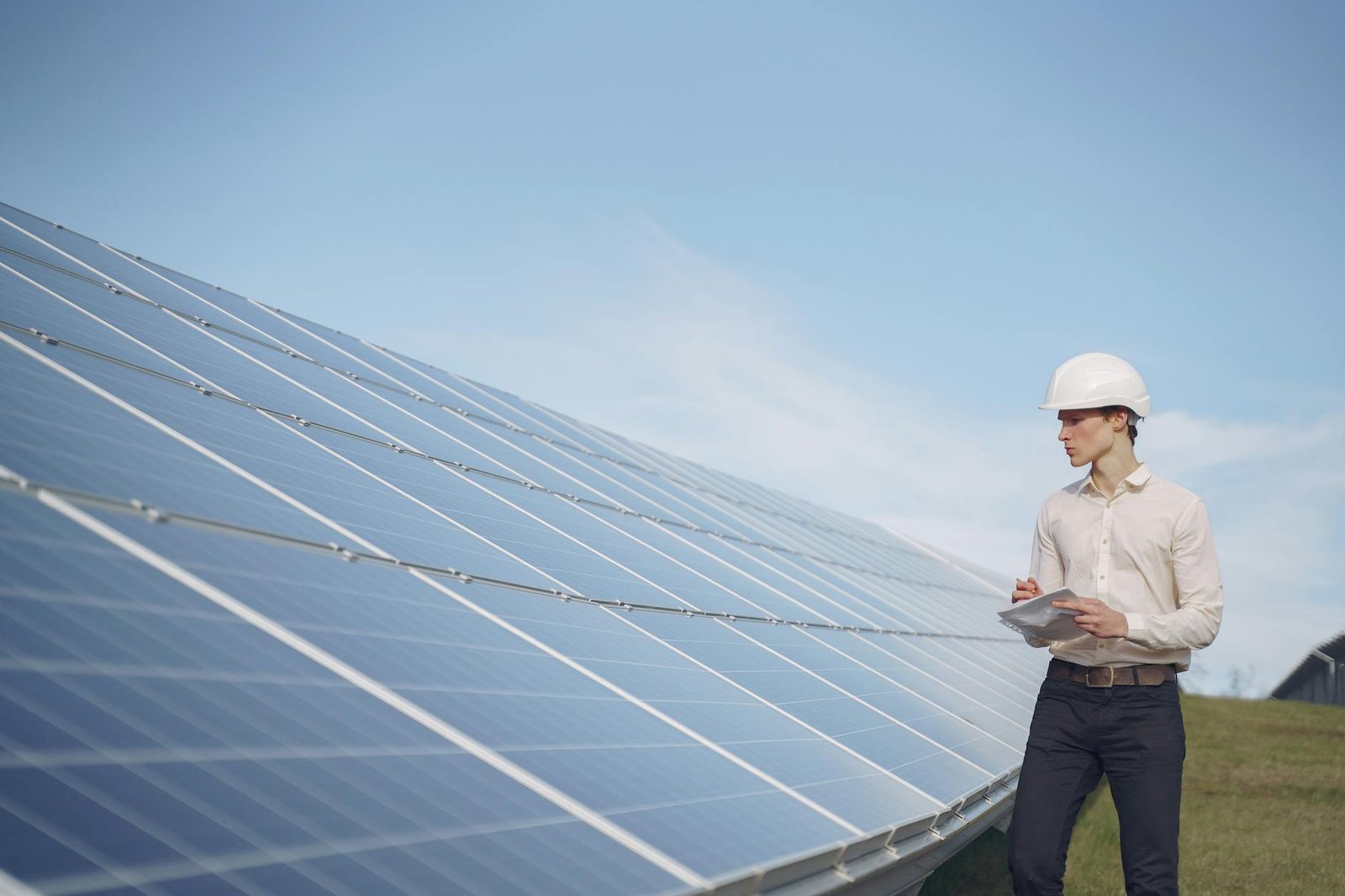
In a bold move to address the issue of solar power curtailment, French energy giant Engie is exploring the possibility of integrating bitcoin mining operations at its largest solar farm in Brazil, the Assu Sol complex. This innovative approach aims to maximize the utilization of the renewable energy generated, ensuring that excess power is not wasted but instead put to productive use.
Addressing the Challenge of Power Curtailment
The Assu Sol solar farm, located in the eastern part of Brazil, is one of Engie’s largest renewable energy projects in the region. However, like many large-scale solar installations, it faces the challenge of power curtailment—times when the local power grid cannot absorb all the energy produced. This surplus energy is often wasted, leading to inefficiencies and financial losses for the energy provider.
Engie’s Innovative Solution
To mitigate this issue, Engie is considering the deployment of bitcoin mining operations at the site. Bitcoin mining, which involves using powerful computers to solve complex mathematical problems and validate transactions on the blockchain, requires a significant amount of electricity. By leveraging the excess solar power for mining, Engie can create a local demand for the energy, thereby reducing curtailment and enhancing the overall efficiency of the solar farm.
“By integrating bitcoin mining, we can ensure that the renewable energy we generate is fully utilized, even during periods of low grid demand,” said a spokesperson for Engie. “This not only helps us optimize our operations but also contributes to the broader goal of sustainable energy use.”
Environmental and Economic Benefits
The proposed integration of bitcoin mining at the Assu Sol solar farm offers several benefits. Environmentally, it reduces the waste of renewable energy, which is a critical resource in the fight against climate change. Economically, it can generate additional revenue for Engie through the sale of mined bitcoins, providing a financial incentive to continue investing in renewable energy infrastructure.
Moreover, the use of renewable energy for mining operations aligns with the growing trend of sustainable mining practices. Many in the crypto community are advocating for the use of clean energy to power mining operations, and Engie’s initiative could set a precedent for other energy companies looking to leverage their renewable resources in a similar manner.
Challenges and Considerations
While the integration of bitcoin mining at the Assu Sol solar farm presents a promising solution, it also comes with its own set of challenges. One of the primary concerns is the potential environmental impact of the mining operations, particularly the heat generated by the mining hardware. Engie will need to implement effective cooling solutions to ensure that the operation remains sustainable and does not contribute to local environmental issues.
Another consideration is the regulatory landscape. Brazil has been actively developing its regulatory framework for cryptocurrencies, and Engie will need to navigate these regulations to ensure compliance. The company may also face scrutiny from environmental groups and regulators who are concerned about the energy consumption of bitcoin mining, even when powered by renewable sources.
Looking Ahead
Engie’s exploration of bitcoin mining as a solution to power curtailment is a testament to the innovative potential of renewable energy. If successful, this initiative could pave the way for other energy companies to adopt similar strategies, further enhancing the efficiency and sustainability of renewable energy projects globally.
As the world continues to transition towards cleaner energy sources, the integration of renewable energy with blockchain technology represents a promising frontier. Engie’s approach at the Assu Sol solar farm is a step in the right direction, demonstrating that with the right strategies, we can maximize the benefits of renewable energy while addressing the challenges of power curtailment.
About the Author