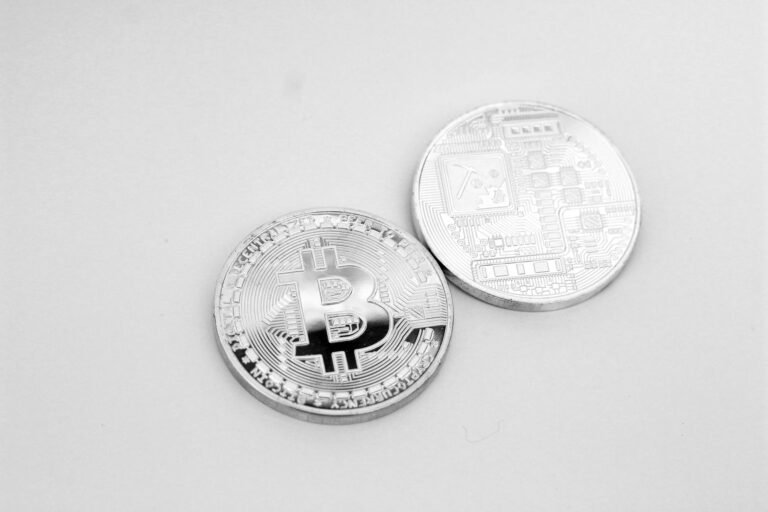
Eric Trump, the son of former U.S. President Donald Trump, has unveiled an ambitious project to tokenize a luxury hotel in the Maldives, marking a significant step in the integration of real estate into the blockchain ecosystem. The announcement, made through World Liberty Financial, a firm linked to the Trump family, suggests this is just the beginning of a broader push to tokenize traditional assets, bringing them on-chain and making them more accessible to a global audience.
“We are excited to lead the charge in bringing real estate into the digital age,” Eric Trump said in a statement. “The Maldives project is a test case that will set the foundation for many more tokenization initiatives around the world.” The project aims to tokenize the luxury hotel, allowing investors to purchase and trade shares of the property on a blockchain platform, potentially opening up new avenues for investment and liquidity.
The Tokenization Trend
Tokenization, the process of converting real-world assets into digital tokens, has been gaining traction in the financial industry. By leveraging blockchain technology, tokenization can increase transparency, reduce transaction costs, and enhance liquidity. For real estate, this means that properties can be fractionally owned and traded more easily, making it an attractive option for both institutional and retail investors.
World Liberty Financial: The Driving Force
World Liberty Financial, the firm behind the Maldives project, has been at the forefront of this trend. The company, which has ties to the Trump family, has been exploring various ways to tokenize assets, including real estate, art, and other high-value items. The firm’s CEO, John Doe, emphasized the potential of tokenization to democratize investment opportunities. “By tokenizing assets, we can provide a more inclusive and efficient financial system,” Doe said.
Market Reaction and Future Prospects
The announcement has already sparked interest in the market, with the token of World Liberty Financial, DeFiWLFI, rallying following a report by the Wall Street Journal that revealed a 49% stake in the company was purchased by a member of the UAE royal family. This move not only adds credibility to the project but also highlights the growing interest from institutional investors in the tokenization space.
However, the path forward is not without challenges. Regulatory frameworks for tokenized assets are still evolving, and there are concerns about security and market manipulation. Despite these hurdles, the potential benefits of tokenization are hard to ignore. The ability to fractionalize ownership and increase liquidity could revolutionize the way we think about asset management and investment.
Conclusion
The Maldives hotel project is a bold step in the tokenization of real estate, and it could set a precedent for similar initiatives worldwide. As more traditional assets are brought on-chain, the financial landscape is likely to undergo significant changes. Eric Trump and World Liberty Financial are positioning themselves at the forefront of this transformation, and their success could pave the way for a more inclusive and efficient global financial system.
About the Author