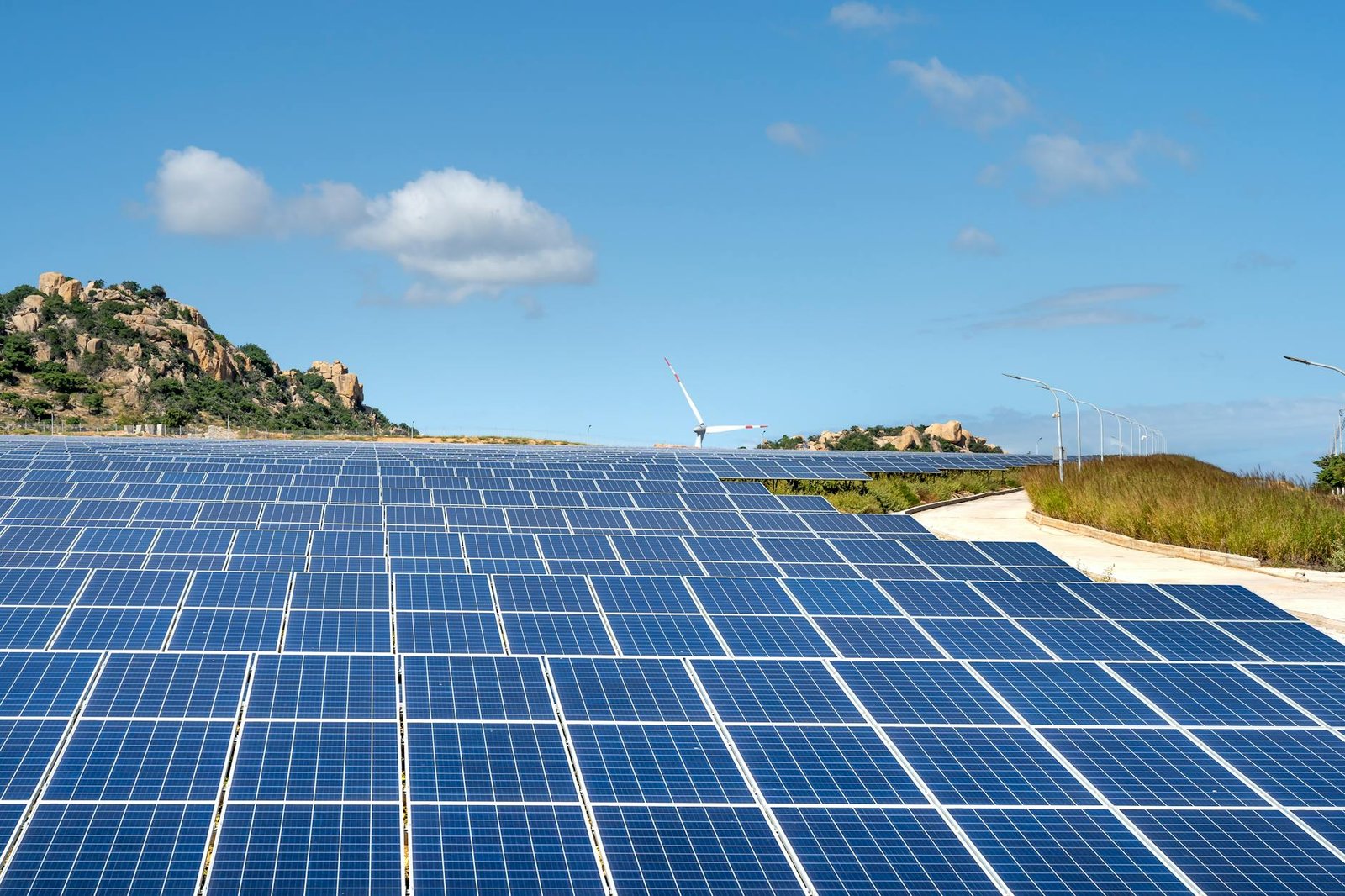
In a bold move to capitalize on the growing solar energy trend, South African electricity utility Eskom is exploring the possibility of offering discounted electricity to Bitcoin mining companies during peak solar production hours. Speaking at the Biznews Conference 2026 in Hermanus, Eskom chairman Mteto Nyati outlined the utility’s strategy to monetize surplus power generated during the middle of the day, a period when rooftop solar installations significantly reduce grid demand.
The Solar Surge and Its Impact
South Africa’s rapid adoption of rooftop solar systems has reshaped the country’s electricity demand profile. During daylight hours, many households and businesses generate their own power, leaving Eskom with unused capacity. This trend is becoming increasingly predictable, with demand peaking in the early morning as people prepare for the day, followed by a decline as solar panels begin producing electricity.
Monetizing Surplus Power
Eskom is looking at creative ways to use this excess capacity. One of the options under review is offering discounted electricity to Bitcoin mining companies, which require large, continuous power supplies to perform the energy-intensive computations that secure the Bitcoin network. Nyati noted that Bitcoin mining and related industries are contributing to rising global electricity demand, a trend that did not exist two decades ago but now represents a significant source of power consumption.
Eskom’s Broader Strategy
The proposal to supply discounted electricity to Bitcoin miners is part of a broader strategy to adapt to the evolving energy landscape. The South African power sector is opening up to private investment, allowing independent companies to build generation capacity and compete in electricity distribution. At the same time, the rise of rooftop solar adoption is shifting demand away from the national grid, forcing Eskom to adapt to remain viable in a more competitive environment.
Cost Reductions and Future Viability
Eskom is also pursuing cost reductions to enhance its competitiveness. The utility plans to eliminate about R112 billion in expenses over the next five years, which could help lower electricity prices for households and energy-intensive industries such as mining and smelting. Despite the changes, Nyati emphasized the importance of a strong national utility, arguing that Eskom’s coal and nuclear power stations provide the base-load electricity necessary for industrial growth and economic development.
By leveraging surplus power for Bitcoin mining, Eskom is positioning itself to navigate the complex and rapidly changing energy market, ensuring it remains a key player in South Africa’s energy sector.
About the Author