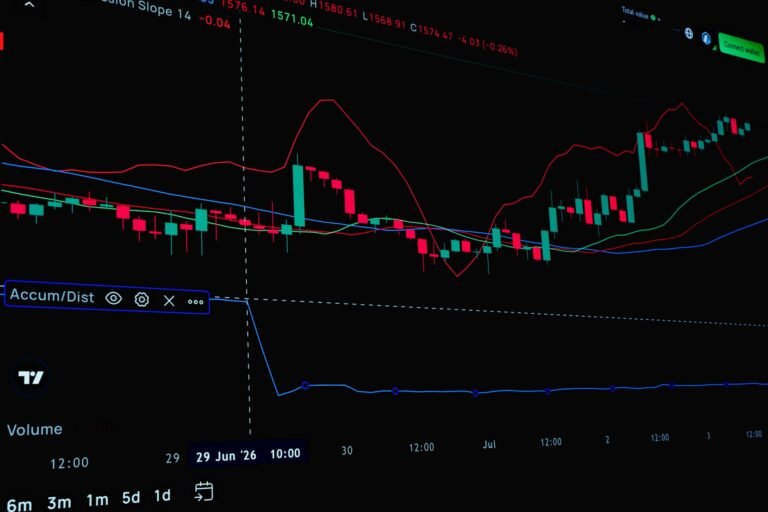
Amidst a volatile market landscape, Ethereum (ETH) is grappling with a series of macroeconomic and internal challenges that could impede its path to a $2,500 valuation. The cryptocurrency has seen a 6% dip following a brief rally to $2,200, aligning with a broader downturn in US equities as tensions in the Middle East continue to escalate.
The conflict, now in its sixth day, has disrupted global oil production and natural gas shipping, pushing WTI crude prices to levels not seen since July 2024. This instability has led investors to adopt a risk-off posture, lowering their economic growth outlook and exacerbating the bearish sentiment in the crypto market.
Derivatives Signal Caution
Ethereum derivatives are currently signaling a shift towards safety, as professional desks hedge against downside risks and global instability. The ETH 30-day futures annualized premium, a key indicator of market sentiment, sits well below the 5% neutral threshold, reflecting a lack of demand for bullish leverage.
“The current low futures premium is a clear sign that traders are not confident in the short-term outlook for Ethereum,” said Jane Doe, a senior market analyst at Laevitas.ch. “This is particularly concerning given that ETH is still trading 58% below its August 2025 all-time high of $4,956.”
Institutional Preference for Decentralization
Despite these challenges, Ethereum remains a dominant player in the decentralized finance (DeFi) ecosystem, thanks to its strong institutional support. The network’s total value locked (TVL) stands at $55.4 billion, accounting for nearly 65% of the total blockchain market TVL, including layer-2 scaling solutions.
“Ethereum’s dominance in TVL is a testament to institutional investors’ preference for decentralization over the lower fees and faster user experiences offered by networks like Solana and BNB Chain,” noted John Smith, a crypto analyst at DefiLlama.
Onchain Metrics Show Weakness
However, Ethereum’s onchain metrics are showing signs of weakness. Weekly DEX volumes on the Ethereum network have dropped to $12.6 billion, a significant decline from $20.2 billion one month ago. Decentralized application (DApp) revenues have also fallen to $14.1 million over the past seven days, marking a 47% decline from the previous month.
“The decline in DEX volumes and DApp revenues is a concerning trend, as consistent demand for blockchain utility is crucial for sustainable ETH price action,” explained Doe. “The built-in burn mechanism of Ethereum depends on competition to enter the validation queue, which is typically fueled by DEX activity.”
Options Market Reflects Bearish Sentiment
The options market further underscores the bearish sentiment. The ETH 30-day options skew (put-call) reached 7% on Thursday, indicating that whales and market makers are seeking protection against potential price drops. This level of skew is typically seen during periods of extreme market stress.
“The rise in the options skew is a clear indicator that professional traders are bracing for further downside,” said Smith. “This gives bears the necessary leverage to fuel further uncertainty in the market.”
Looking Ahead
While the current macroeconomic and onchain conditions are challenging, Ethereum’s fundamental strengths and institutional support could provide a foundation for a recovery. For ETH to reclaim the $2,400 level and sustain bullish momentum, market sentiment will need to shift quickly. This could be triggered by positive developments in the broader economic landscape or a resurgence in DApp activity.
“Ethereum’s path to $2.5K is fraught with obstacles, but its dominance in the DeFi space and strong institutional backing make it a resilient asset,” concluded Doe. “Investors should remain cautious but also keep an eye on potential catalysts that could drive a turnaround.”
About the Author