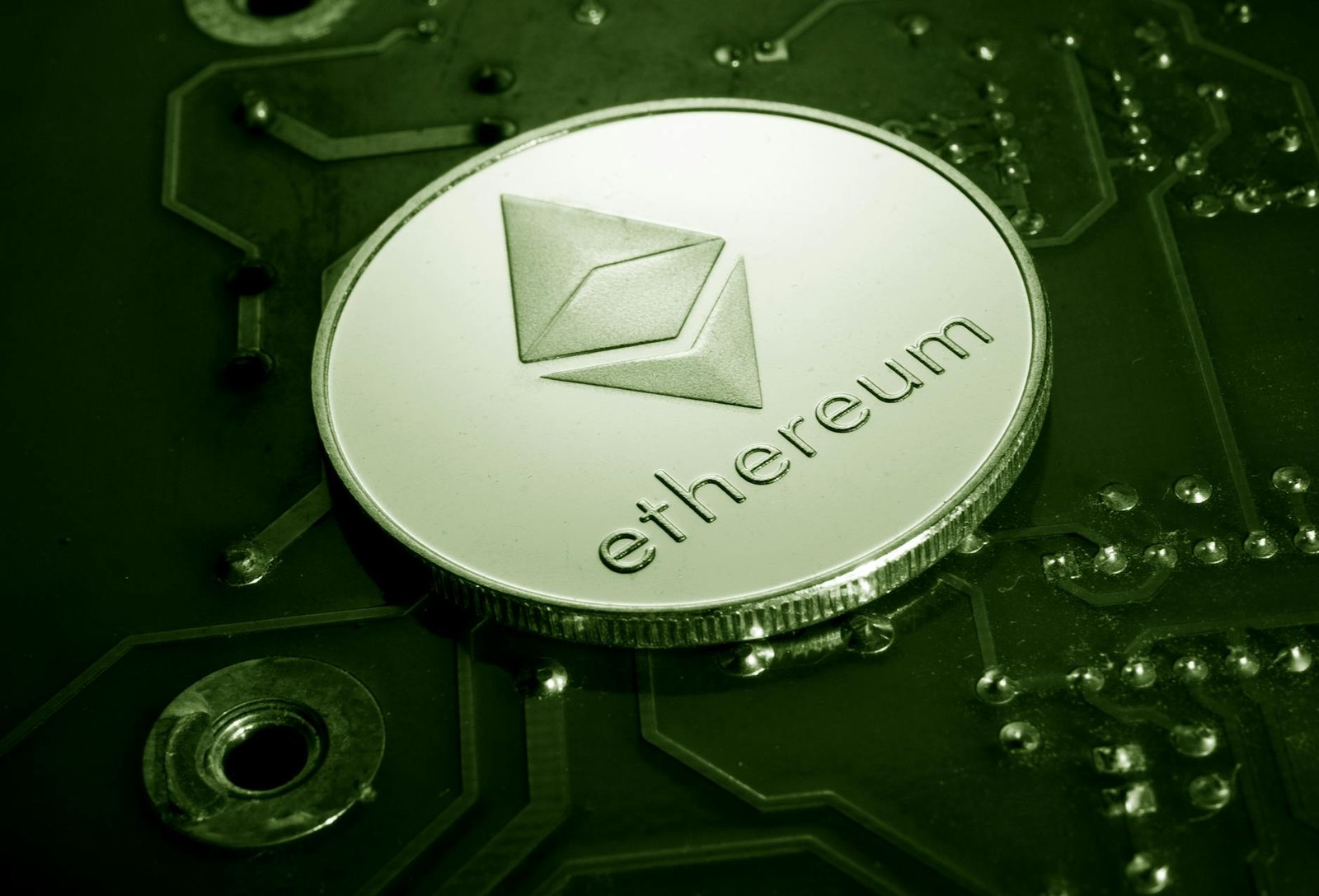
The Fusaka upgrade, designed to reduce transaction fees on the Ethereum network, has inadvertently created a breeding ground for a new wave of address poisoning attacks, with scammers exploiting the lower costs to target thousands of wallets daily.
The Impact of Lower Gas Fees
Since the Fusaka upgrade, the volume of address poisoning attacks has skyrocketed, leading to significant financial losses for users. According to data analyzed by blockchain researcher Andrey Sergeenkov, over $63 million has been lost to these attacks in just two months, a staggering 13-fold increase compared to the pre-upgrade period.
A Single Major Incident
A significant portion of these losses can be attributed to a single major incident on December 19, 2025, when attackers managed to steal $50 million in USDT. Even excluding this event, the total losses still amount to $13.3 million, which is 2.7 times higher than the pre-Fusaka period.
Security Concerns and Criticism
Security experts are raising alarms about the unintended consequences of the Fusaka upgrade. “There is nothing inherently wrong with lowering fees, but the security issues that arise from cheap transactions should have been addressed before the upgrade,” Sergeenkov writes. He argues that the Ethereum Foundation’s focus on growth metrics should not come at the expense of user safety.
The Mechanics of Address Poisoning
Address poisoning involves attackers sending small amounts of cryptocurrency to a large number of Ethereum addresses, hoping to trick users into sending larger amounts back. The low gas fees post-Fusaka make it cheaper for scammers to execute these attacks on a massive scale, targeting a broader range of users.
What Can Be Done?
While the Ethereum community is working on solutions to mitigate these attacks, users are advised to remain vigilant. Multi-factor authentication, secure wallet practices, and staying informed about the latest security advisories are crucial steps to protect against address poisoning.
Looking Forward
As the Ethereum network continues to evolve, the balance between reducing transaction costs and maintaining security will be a critical focus. The Fusaka upgrade has highlighted the need for a more holistic approach to blockchain development, where user safety is a top priority. The Ethereum Foundation and the broader community must collaborate to ensure that future upgrades do not compromise the security and integrity of the network.
About the Author