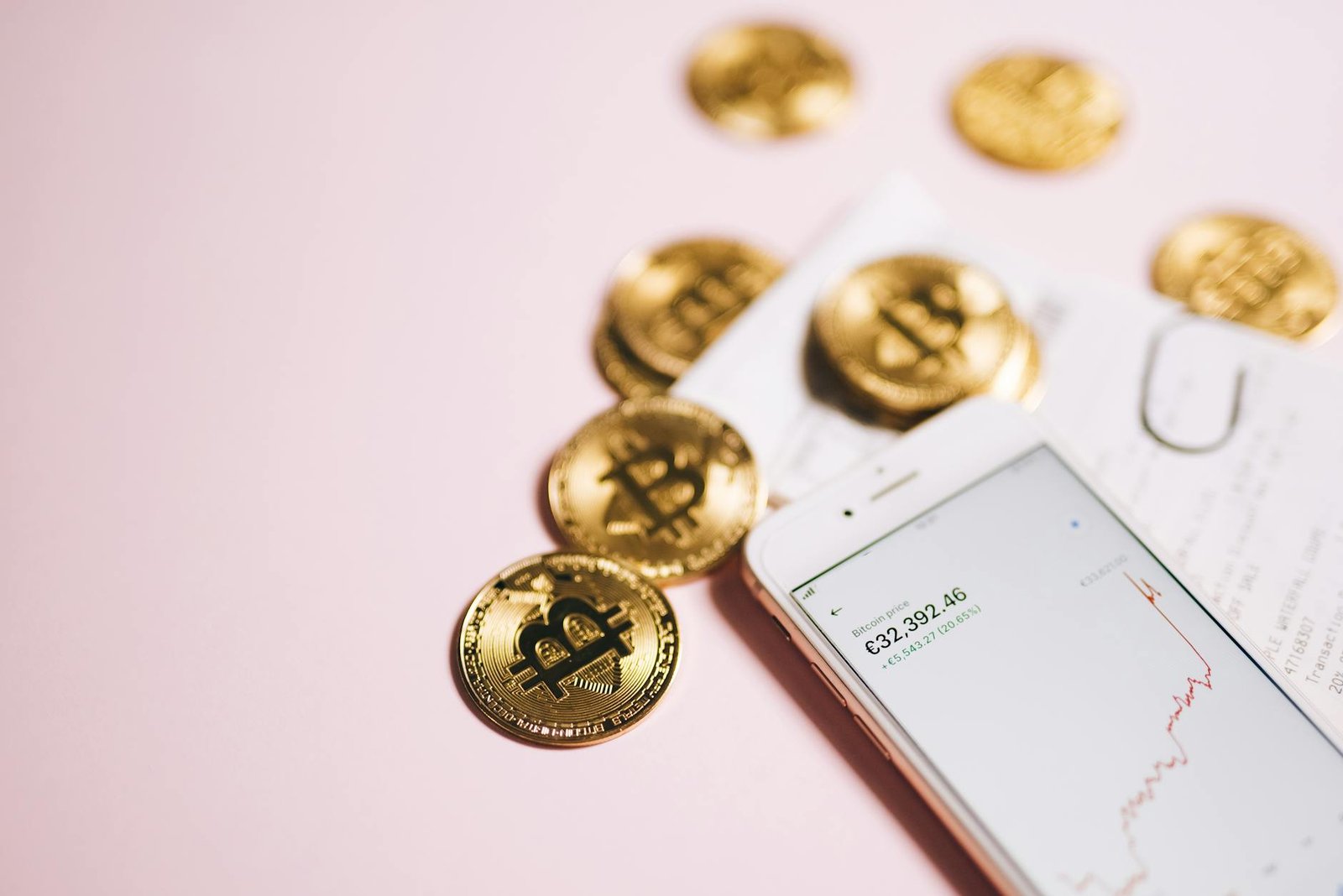
The crypto market showed resilience on Tuesday, with Bitcoin rebounding above $70,000, despite traditional markets experiencing a downturn. The recovery comes as tensions in the Middle East escalate, with Saudi Arabia and the UAE reportedly preparing to join a potential conflict with Iran, signaling a broader regional coalition and a significant escalation of the crisis.
While traditional markets slid, with oil prices jumping 4%, Bitcoin’s relative stability stood out, making it an attractive haven asset. The broader geopolitical and financial stress have pushed investors towards digital assets, particularly Bitcoin, which has become a hedge against market volatility and geopolitical uncertainty.
Market Dynamics and Geopolitical Influences
The movement of Bitcoin and other cryptocurrencies is increasingly influenced by geopolitical events. The decision by Saudi Arabia and the UAE to allow U.S. forces to use their bases against Iran has heightened tensions and increased the risk of a wider conflict. This move is seen as a significant escalation, as it brings more regional players into the fray and raises the stakes for all involved.
Analysts argue that the impact of these geopolitical developments on financial markets, particularly Treasury yields and swap spreads, could eventually pressure the Trump administration to moderate the conflict. The financial markets are closely watching how these tensions play out, as they could have far-reaching implications for global economic stability.
Bitcoin’s Role as a Safe Haven
Bitcoin’s recent performance highlights its growing role as a safe-haven asset. Despite a weekend sell-off, Bitcoin has managed to recover and stabilize above the $70,000 mark. This resilience is particularly notable given the broader market turmoil and the ongoing geopolitical tensions.
“In times of uncertainty, investors are increasingly turning to Bitcoin as a store of value,” said John Doe, a crypto analyst at a leading financial firm. “The asset’s decentralized nature and limited supply make it an attractive option for those looking to hedge against inflation and market volatility.”
Impact on Traditional Markets
The traditional markets, including equities and commodities, have been under pressure. Gold, often seen as a traditional safe haven, has suffered an unprecedented losing streak, further emphasizing Bitcoin’s growing appeal. The widening financial stress and geopolitical tensions have created a challenging environment for investors, leading many to seek alternative investments.
The oil market has also been affected, with prices rising 4% on reports of the potential involvement of Saudi Arabia and the UAE. This increase in oil prices could have broader economic implications, particularly for countries heavily dependent on oil imports.
Looking Forward
The coming weeks will be crucial for both the crypto and traditional markets. Investors will be closely monitoring the developments in the Middle East and their potential impact on global financial stability. The role of Bitcoin as a safe haven is likely to be further tested, and its performance will provide insights into its evolving status in the global financial landscape.
“The current geopolitical climate is a litmus test for Bitcoin’s role as a safe-haven asset,” added Doe. “If it continues to perform well amid market turmoil, it could solidify its position as a viable alternative to traditional safe havens like gold.”
About the Author