Bitcoin experienced a dramatic surge on Monday, climbing above $71,000 before retreating, as markets reacted to the evolving situation between the U.S. and Iran. The digital asset had been trading below $68,000 over the weekend, leaving investors on edge amid conflicting reports about peace negotiations in the Middle East.
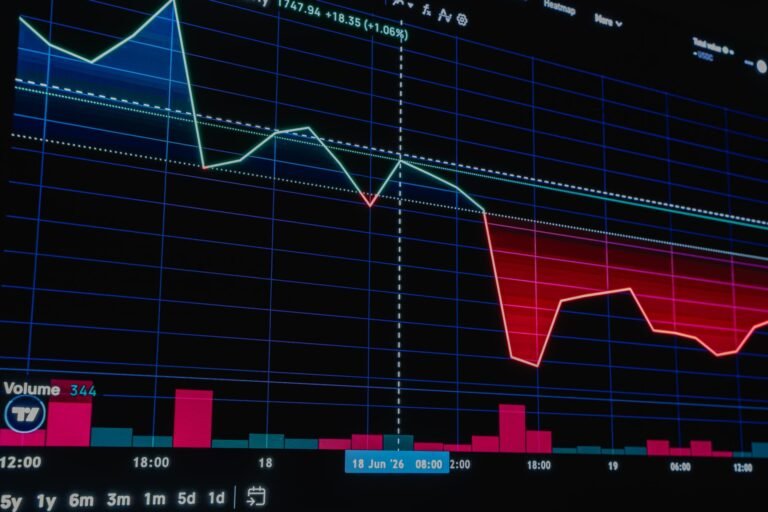
The sudden spike was triggered by an announcement from the U.S. President, who postponed planned strikes on Iranian power plants, citing positive talks with Tehran. Bitcoin soared to an intraday high of $71,811, according to data from Bitcoin Magazine Pro, before settling back to around $70,000. The rally was short-lived, however, as Iran’s Foreign Ministry denied the existence of any talks as described by the U.S., emphasizing that the responsibility for resolving the conflict lies with Washington.
Bitcoin’s Resilience Amid Geopolitical Uncertainty
Despite the volatility, Bitcoin has shown remarkable resilience over the longer term. Since the beginning of the conflict in late February, the cryptocurrency has gained about 7%, outpacing the S&P 500 and gold, which have fallen by 4.6% and 17%, respectively. Analysts attribute this outperformance to a series of market deleveraging events since October 2025, when Bitcoin reached its peak of $126,080.
Broader Market Factors at Play
The week’s market dynamics were also influenced by broader economic indicators. U.S. 10-year Treasury yields climbed to 4.36%, driven by inflation concerns exacerbated by higher oil prices. Brent crude, which spiked to over $107 per barrel following the closure of the Strait of Hormuz, dropped by 8% on Monday, reflecting the interconnected nature of global financial markets.
Technical Analysis and Market Outlook
From a technical perspective, Bitcoin remains within a symmetrical triangle on the daily chart, indicating a period of consolidation. A sustained close above $75,000 this week could signal further gains, potentially pushing the price toward $85,000 and $90,000. Conversely, a breakdown below $67,000 could lead to a retest of recent lows.
As the geopolitical landscape continues to evolve, Bitcoin’s performance will likely remain closely tied to developments in the Middle East. Investors and analysts will be closely watching for any further shifts in the diplomatic and military landscape that could impact market sentiment.
Conclusion: Navigating the Volatility
While the immediate future of Bitcoin remains uncertain, its ability to navigate through geopolitical turmoil and maintain its value over the long term is a testament to its growing role as a safe-haven asset. As markets continue to react to real-time events, the resilience and adaptability of cryptocurrencies like Bitcoin will be put to the test, shaping their trajectory in the months and years to come.
About the Author