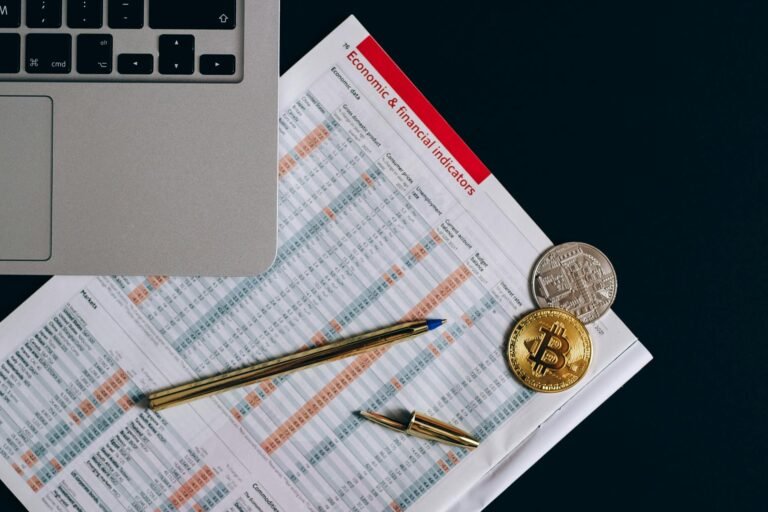
In February, the crypto world saw a flurry of regulatory activities as four countries reconsidered their crypto taxation policies, while Bitcoin (BTC) remained stubbornly below the $70,000 mark. The month also witnessed a resurgence in the number of crypto ATMs, reflecting renewed interest in the sector despite the lingering effects of the 2022 market crash.
Global Crypto Tax Reforms
The Netherlands, Israel, Hong Kong, and Vietnam each took steps to adjust their crypto tax laws, highlighting the ongoing struggle to balance innovation with regulatory oversight.
The Netherlands: Capital Gains Tax Reconsideration
On February 12, the Dutch House of Representatives advanced a tax proposal that would introduce a 36% capital gains tax on unrealized gains on savings and liquid investments, including cryptocurrencies. However, the new Dutch cabinet has since announced that it will reconsider the measure due to widespread criticism.
“There is a lot of criticism of the Actual Return Act. We are not deaf to that… The bill needs to be amended. The Minister and State Secretary will discuss this with the Senate and parliament,” a cabinet spokesperson said.
Israel: Lobbying for Reform
In Israel, the Israeli Crypto Blockchain & Web 3.0 Companies Forum launched a lobbying effort to reform the country’s crypto tax laws. Forum leader Nir Hirshmann-Rub emphasized the need to relax laws on stablecoins and tokenization and simplify compliance.
“More than 25% of the public already has had crypto dealings in the last five years and more than 20% currently hold digital assets,” Hirshmann-Rub noted.
Hong Kong: Implementing CARF
Hong Kong’s Financial Secretary Paul Chan announced that the special administrative region will tweak its tax laws to implement the Organisation for Economic Co-operation and Development’s (OECD) Crypto-Asset Reporting Framework (CARF). The CARF is a global tax exchange standard aimed at combating tax evasion by requiring crypto service providers to report client activity.
Vietnam: Proposing a Transaction Tax
Vietnam proposed a crypto transaction tax, exempting transfers and trading from the usual value-added tax but imposing a 0.1% personal income tax on the transaction value through licensed service providers.
India: Stiff Resistance to Reform
Despite intense lobbying, India’s proposed 2026 Union Budget did not include any reforms to the current 30% tax on crypto gains. The lack of progress on the CLARITY Act in the U.S. and the ongoing tariff pressures have also contributed to the market’s challenges.
Bitcoin: Stuck Below $70,000
Bitcoin struggled to break the $70,000 barrier in February, weighed down by several macroeconomic pressures. Analysts cite the lack of progress on the CLARITY Act and the resurgence of tariffs as key factors affecting the asset’s price.
“The biggest drag on Bitcoin price the past year has been tariffs… That’s the drag on risk assets in general, and in particular [with] Bitcoin, there’s just uncertainty around what’s gonna happen,” said Cory Klippsten, CEO of Swan.
Renewed Interest in Crypto ATMs
The number of crypto ATMs worldwide grew by 290 in February, bringing the total to nearly 40,000. This resurgence in crypto kiosks signals a return to 2021 levels of interest in crypto, following a significant dip after the 2022 market crash.
Japan: Inflation Dips Below 2%
Japan’s inflation rate fell below 2% in February, its lowest in three years. This dip, combined with the success of Prime Minister Sanae Takaichi’s snap elections, has bolstered the Japanese stock market, with the Nikkei 225 increasing by 10% on the month.
Warren Buffett has noted the increasing attractiveness of the Japanese yen, which could have implications for the global crypto market, particularly Bitcoin, which tends to correlate with U.S. equities.
Looking Ahead
The ongoing regulatory developments and macroeconomic factors will continue to shape the crypto landscape. As countries refine their tax policies and investors navigate the uncertainties of tariffs and legislative reforms, the resilience of Bitcoin and the broader crypto market will be put to the test. The next few months will be crucial in determining whether these challenges will lead to a more stable and regulated crypto ecosystem or further volatility.
About the Author