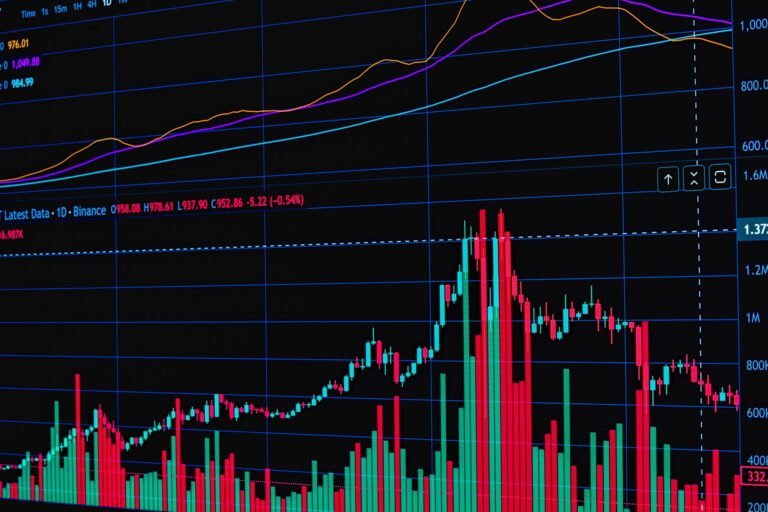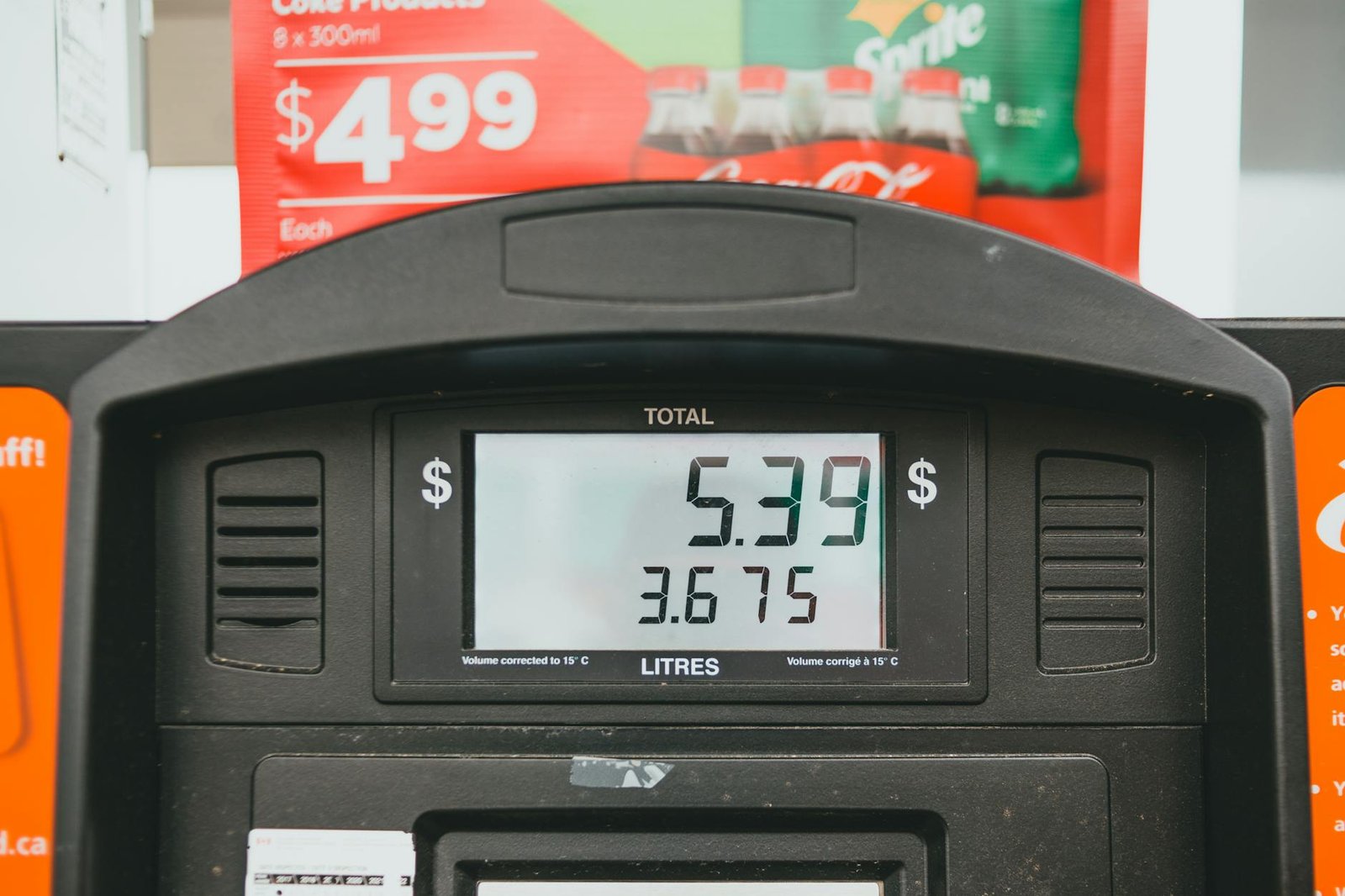
Global oil markets witnessed a dramatic spike, with prices exceeding $100 per barrel, following the U.S. military operation dubbed ‘Operation Epic Fury’ against Iran. President Donald J. Trump, however, remains confident that the price surge is temporary and tied to the broader goal of eliminating Iran’s nuclear threat and restoring long-term stability in the region.
Oil Markets React to Geopolitical Tensions
The operation, which aimed to dismantle Iran’s nuclear capabilities, has sent shockwaves through the energy sector. Traders and analysts are closely monitoring the situation, with many expressing concerns about potential disruptions to global oil supplies. The sudden spike in prices reflects the market’s sensitivity to geopolitical risks and the potential for further instability in the Middle East.
Trump’s Assurance: A Temporary Blip
President Trump has repeatedly reassured the public that the current price hike is a short-term reaction to the operation. In a series of tweets, he emphasized that the United States is committed to ensuring global energy security and that the long-term benefits of the operation will outweigh the immediate costs. ‘The price spike is a necessary but temporary measure to secure a safer and more stable future for the region and the world,’ Trump tweeted.
Expert Analysis: A Complex Landscape
While Trump’s optimism is evident, energy experts and economists are more cautious. Dr. Sarah Thompson, a senior economist at the Energy Information Administration, noted that the market’s reaction is understandable given the historical correlation between geopolitical tensions and oil prices. ‘The Middle East is a critical region for global oil supply, and any perceived threat to its stability can lead to significant price volatility,’ she explained.
Moreover, the operation has raised concerns about Iran’s potential retaliation, which could further disrupt oil flows through the Strait of Hormuz, a vital artery for global energy trade. Analysts at JPMorgan Chase & Co. warned that prolonged tensions could keep prices elevated for an extended period, impacting global economic growth.
Long-Term Implications and Market Strategies
For investors and energy companies, the current situation presents both risks and opportunities. Some are hedging their bets by diversifying their portfolios and exploring alternative energy sources. Others are closely watching for any signs of a diplomatic breakthrough that could ease tensions and stabilize prices.
Meanwhile, the U.S. government is working to mitigate the impact on consumers and the broader economy. The Department of Energy has indicated that it may release oil from the Strategic Petroleum Reserve (SPR) if necessary to help stabilize markets and protect American interests.
Looking Ahead: A Path to Stability
As the world watches the unfolding events, the focus remains on the long-term goal of regional stability. While the immediate price spike is a concern, many experts believe that a successful operation could lead to a more secure and predictable energy market in the future. The coming weeks and months will be crucial in determining whether the current tensions will result in lasting changes to the global energy landscape.
About the Author