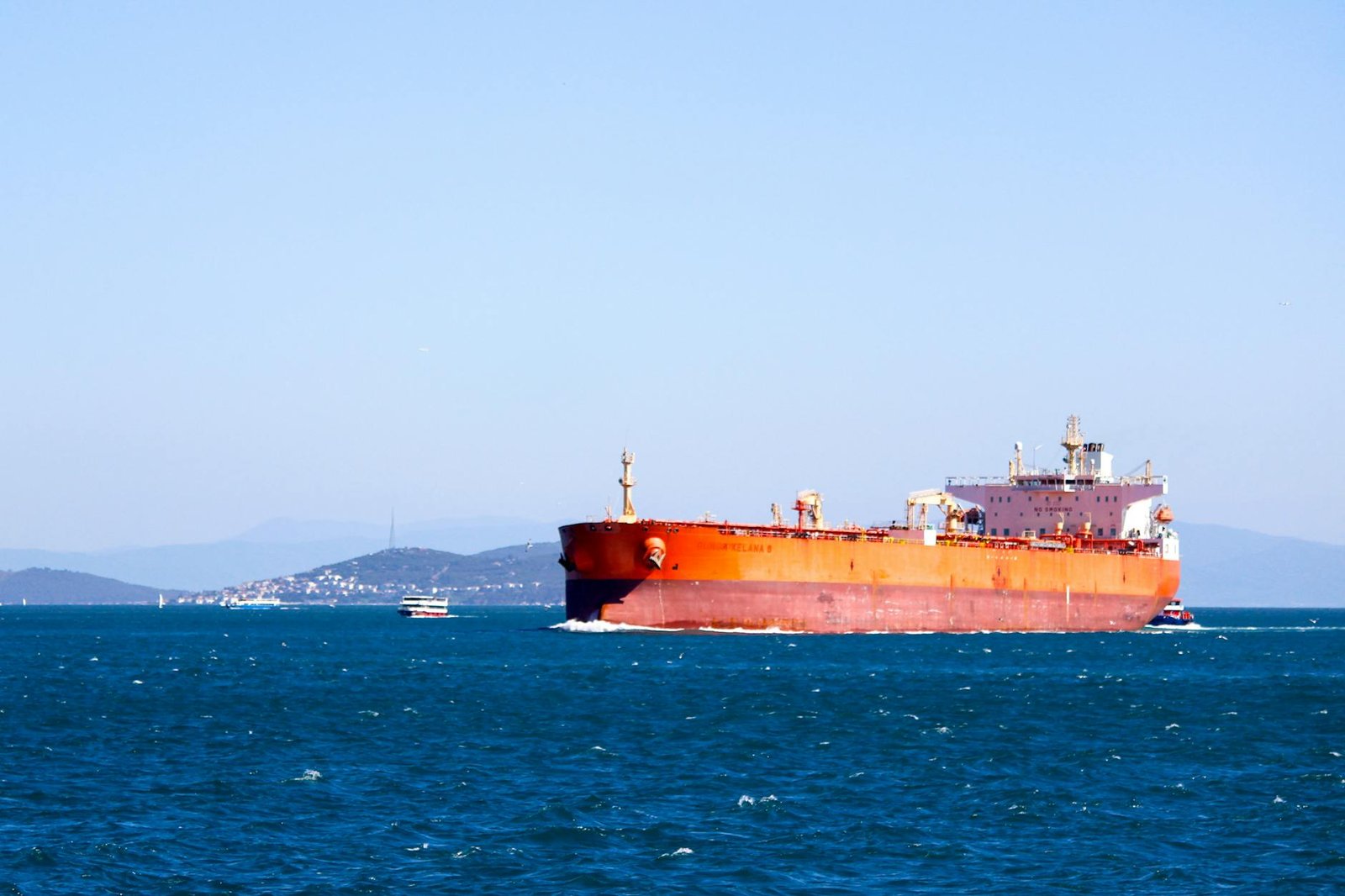
In a startling development that could reshape global maritime trade, Iran is reportedly charging select shipping firms up to $2 million for safe passage through the Strait of Hormuz, a critical artery for global oil and gas supplies. The ad hoc system, revealed by sources close to the matter, turns the strategic waterway into a high-stakes, pay-to-play zone amid ongoing regional tensions.
The Pay-to-Play Strait
The payments, which can reach as high as $2 million per voyage, are being handled discreetly, with no formal or standardized system in place. This informal toll effectively monetizes one of the world’s most crucial shipping routes, where approximately one-fifth of global oil and gas typically flows. However, the conflict in the Middle East has severely disrupted traffic, with many vessels avoiding the strait or navigating under tightly controlled conditions.
Behind the Scenes: Vetting and Inspection
Sources indicate that Iran has established a “safe shipping corridor” within its territorial waters, where vessels are vetted and visually inspected by the Islamic Revolutionary Guard Corps (IRGC). Ship operators must provide detailed ownership and cargo disclosures in advance, often through intermediaries or direct government negotiations with Tehran. At least one tanker operator has already paid the hefty sum of $2 million for guaranteed transit, while multiple vessels from countries such as India have successfully crossed under varying arrangements.
International Reactions and Legal Implications
The move has sparked controversy and resistance from several countries. India, for instance, has publicly maintained that international law guarantees free navigation through the strait without fees, and is reportedly raising the issue in discussions with U.S. President Donald Trump. Gulf producers, including Saudi Arabia and the United Arab Emirates, have also rejected the concept of transit charges, viewing it as a dangerous precedent that challenges established maritime norms.
Iranian officials have sent mixed signals, with lawmaker Alaeddin Boroujerdi describing the fees as part of a new “sovereign regime,” arguing that wartime conditions justify the charges as a display of authority. However, the Iranian embassy in India has dismissed reports of $2 million payments as “unfounded,” creating a gap between official messaging and on-the-ground reality.
Future Implications
For now, the system remains opaque, selective, and deeply tied to wartime dynamics, but it signals a clear shift: control of the Strait of Hormuz is becoming increasingly transactional. Behind the scenes, some policymakers in Tehran are considering formalizing the system, potentially embedding transit fees into a postwar framework that could fundamentally alter how the strait operates. The situation underscores the strategic and economic leverage Iran holds over global energy markets and highlights the complex interplay of power and commerce in one of the world’s most volatile regions.
As the conflict continues, the international community will need to navigate these new financial and legal challenges, potentially leading to broader discussions on maritime law and the future of global shipping routes.
About the Author